


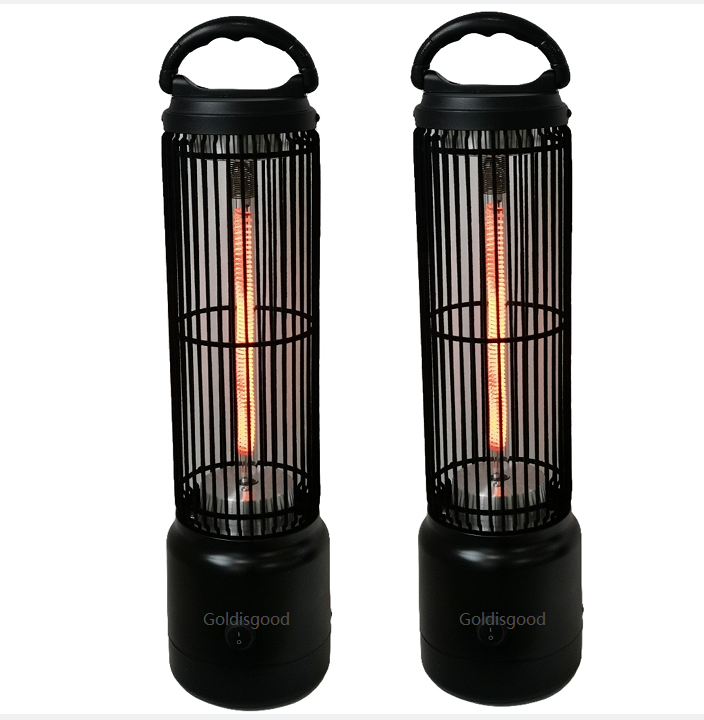
How to stop your outdoor heaters from dying early
Let’s be honest: the outdoors is a nightmare for electronics. Between the humidity, the sudden rain showers, and that annoying morning dew, outdoor infrared heaters are basically fighting a losing battle from the day they’re installed. We’ve seen too many heaters burn out or rust away far too soon. So, we decided to build our latest range to actually handle the elements without giving up. The problem with “cold drops” Here is the thing about infrared tubes: they get incredibly hot. We’re talking 500°C. When a tiny, cold drop of condensation hits a surface that hot, it causes what we call thermal shock. The quartz glass can crack, or the filament inside can warp. It’s a quick way to kill a heater. To fix this, we used anti-mist coatings and tweaked the shape of the housing. The goal is simple: keep the moisture from ever settling on the emitter. It keeps the heat steady and, more importantly, keeps your tubes from snapping. Rain happens. Your wiring shouldn’t care. You’ll see a lot of brands claim they’re “waterproof,” but that word doesn’t really mean anything unless there’s a real rating behind it. We focused on making these splash-proof. We used silicone gaskets and sealed off the cable entries so wind-driven rain or a random spill doesn’t seep into the electrical junctions. No leaks means no short circuits and no crusty, oxidized wiring. One quick tip:**Watch your angle.**If you mount the unit upside down or at a weird tilt, water can pool inside the chassis and find a way past the seals. Just keep it angled right, and you’re golden. Making it last Most standard heaters barely make it through two seasons before corrosion takes over. By keeping the electronics isolated from the weather, we’ve pushed that lifespan much further. You get consistent heat without having to climb a ladder to replace tubes every year. Just a heads-up—these aren’t submarines. Don’t dunk them in water. And if you live right on the coast, the salt air is a different beast. Give the exterior casings a quick wipe-down every now and then so the salt doesn’t eat through the finish.