


Cutting Carbon in the Fab: Why Precision IR Heating Actually Works
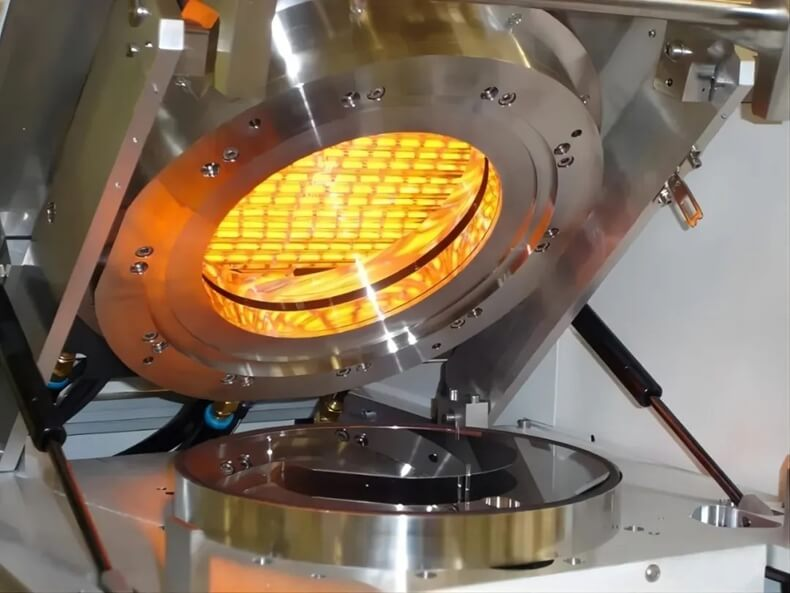
Let’s be honest—the pressure to hit carbon-neutral targets in semi-conductor fabs is getting intense. For a long time, we’ve just leaned on convection ovens, but they’re basically energy hogs. They heat up the entire chamber just to get the wafer to the right temperature. It’s a lot of wasted power. That’s why we’re moving toward precision Infrared (IR) heating. Instead of heating the air around the wafer, IR lamps hit the surface directly. It’s cleaner, leaner, and just makes more sense. Getting the heat exactly where it needs to go Here is the cool part: with the right sensors and lamps, we can control heat flux down to the millimeter. We use short-wave IR because it moves energy way faster than the old-school methods. You get to your process temperature in a fraction of the time. That means fewer kilowatt-hours per wafer. We also spend a lot of time making sure the system doesn’t “over-shoot.” There’s nothing worse than blasting power only to have to dial it back because you went too far. When you hit the mark exactly, you stop wasting electricity. Your carbon footprint shrinks, and your bills do too. The nitty-gritty of the hardware Now, you can’t just throw these lamps in and hope for the best. It takes a tight fit. We use high-grade quartz and specific reflectors so the radiation actually hits the wafer instead of just baking the walls of your machine. But there is a catch. High-density IR creates some serious localized heat. If your cooling manifolds aren’t up to the task, your sensors will start to drift, and things get messy. To keep things steady—we’re talking within ±1°C—you really need to pair these lamps with closed-loop PID controllers. A better way to run a “Green Factory” The best part? You can stop relying on those massive heating elements that take hours to warm up. With IR, you have an “instant-on” capability. You can power the system down and bring it back to spec in seconds. No more wasting energy while the machine sits idling. If you’re spec-ing out a new line right now, this is probably the quickest way to drop your carbon intensity without slowing down your throughput. It just works.