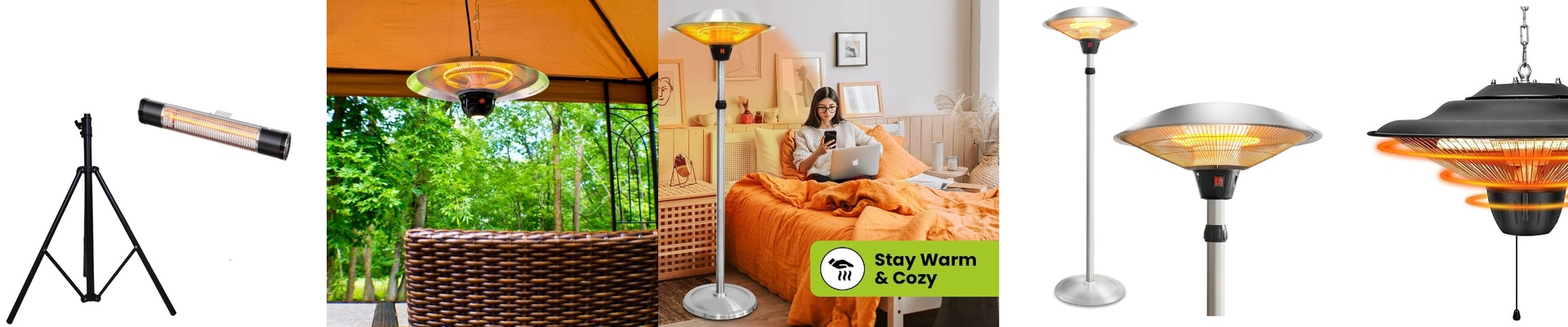
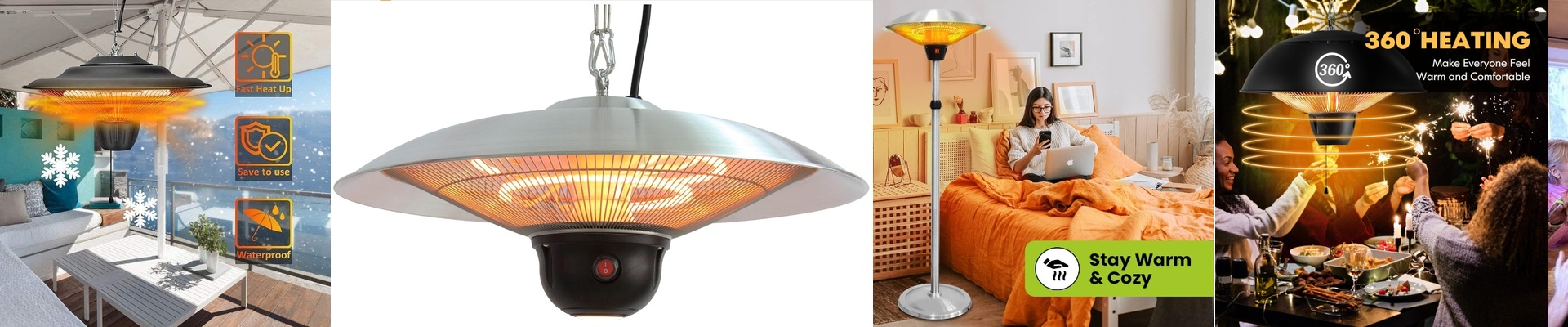
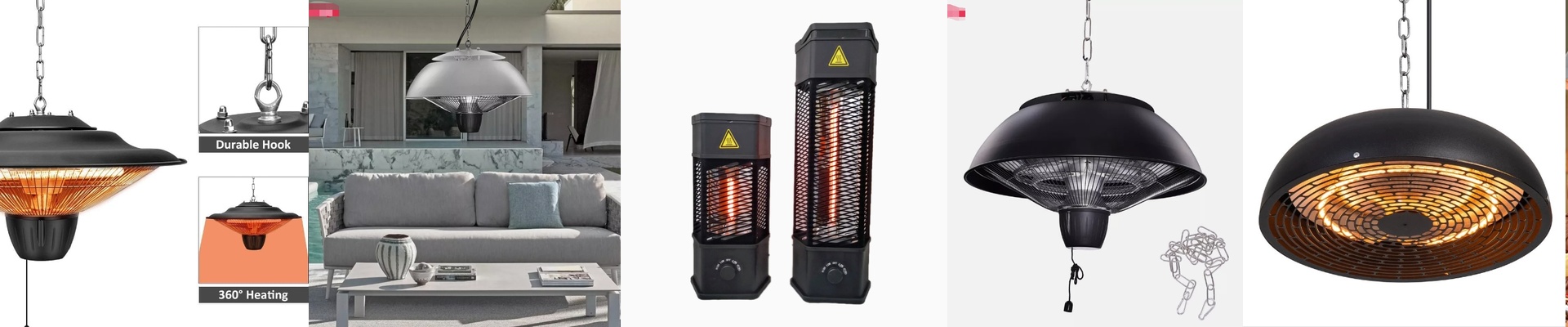
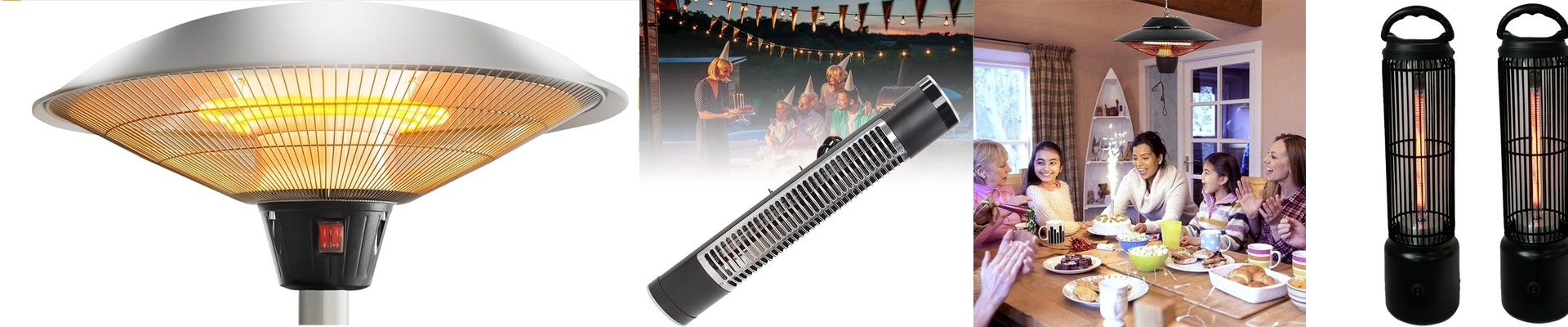
Why We Put Our Bathroom Heaters Through the Wringer
Let’s get real. We make bathroom infrared heaters for one simple reason: to live in the hardest room in the house. Think about it. Steam, constant humidity, wild temperature swings… that’s a death sentence for a heater that isn’t built to last. So we don’t just test them. We throw them into brutal hot-and-humid aging tests. This isn’t some box-ticking exercise. It’s how we make sure the heat keeps coming, safely and steadily, year after year.
The Power Behind the Heat
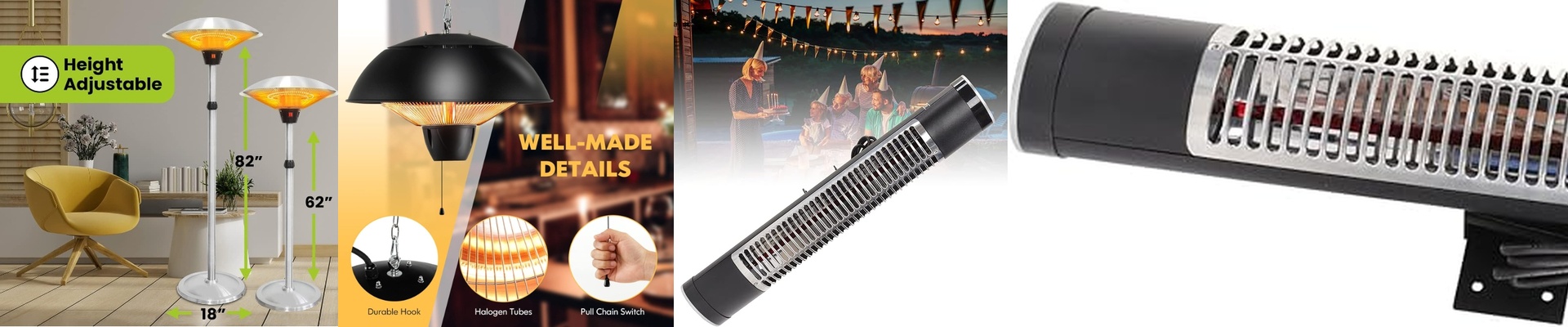
Infrared heating is all about packing a lot of punch into a small space. Our bathroom heaters are designed to give you focused warmth, fast. That means nailing the right wattage for the space and the wiring. We match the voltage to standard mains, so the heater can handle that initial surge without blinking. And the size? We keep it tight. It’s built to fit into snug spots, but we always leave just enough room for air to move and heat to dissipate.
What’s Inside: The Good Stuff
We build these heaters with a halogen-filled quartz envelope. Why? Because it can handle the extreme heat of the filament and won’t crack under thermal shock. That halogen cycle also keeps the inside of the envelope clean, which means the heat output stays consistent over the life of the lamp. And since you need warmth the second you flip the switch, the shortwave infrared gives you that instant response. The connections matter, too. We use tough, high-temperature terminals that won’t loosen or corrode, even when they’re constantly exposed to steam. And the whole thing is designed to be a simple, drop-in replacement.
What Bathroom Life Really Means
A bathroom heater has to put up with condensation, soapy mist, and being switched on and off again and again. So our aging test throws years of that abuse at the heater in a short amount of time. It finds weak seals, terminals that might shift, and coatings that can fail—all before the product ever leaves the factory. Here’s the thing about a high-output infrared heater: it gets seriously hot. That means the fixture and wiring around it have to be rated for that heat. We build for that reality, and we prove it with testing that mirrors the real world.