Introduction
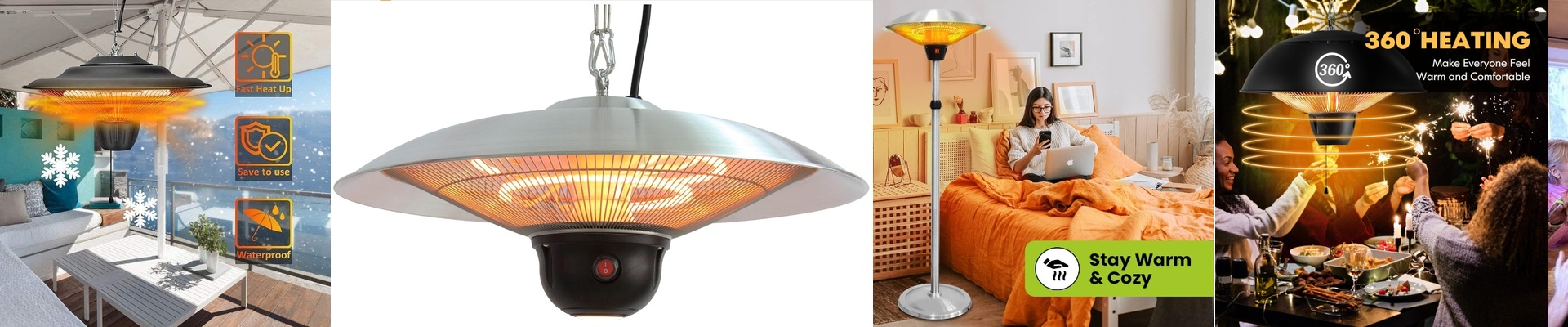
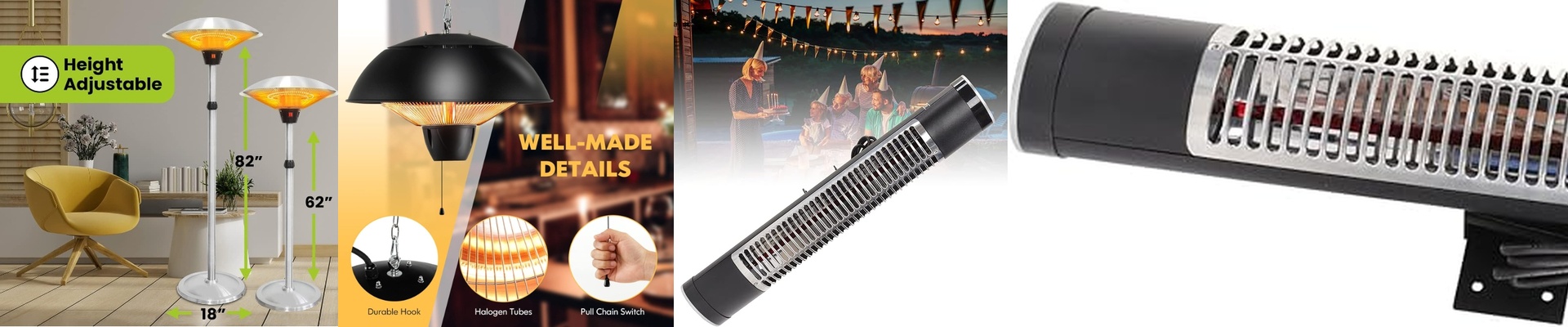
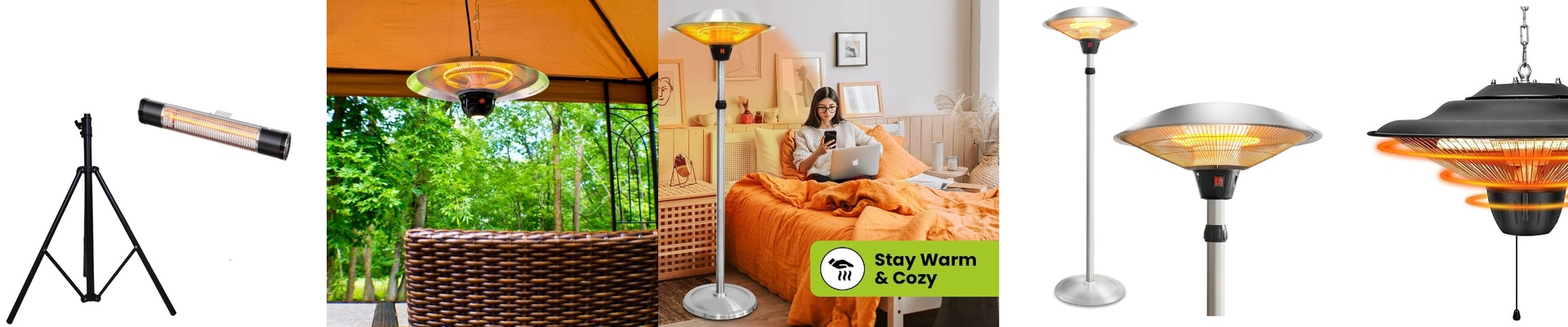
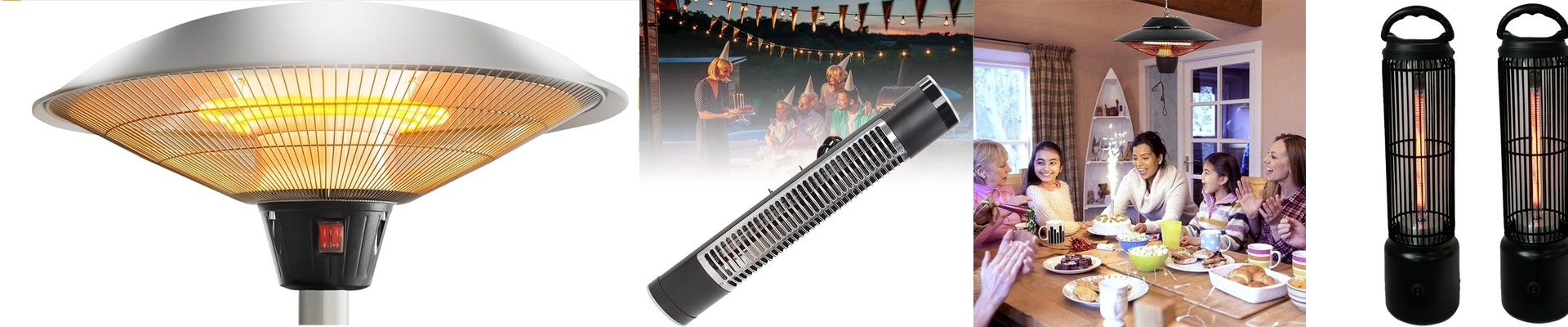
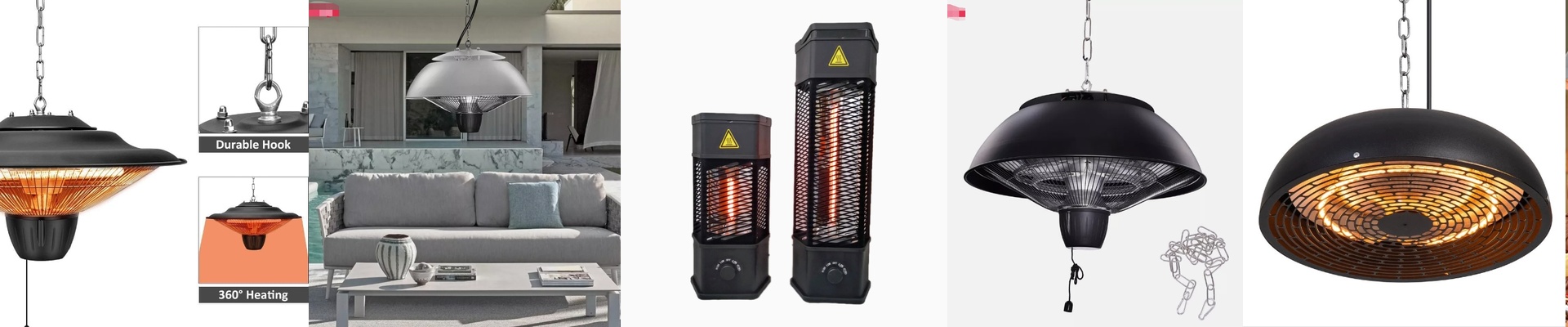
We build commercial electric heaters that can handle the tough, day-in, day-out grind of industrial life. But when the job is keeping pets comfortable, the whole approach shifts. At the heart of what we do is a commercial-grade infrared heater, powered by a halogen element. This isn’t just about throwing out a wall of heat. It’s about creating a kind of warmth that animals feel good in—without the harsh glare or surfaces that get scorching hot.
The Power Behind the Warmth
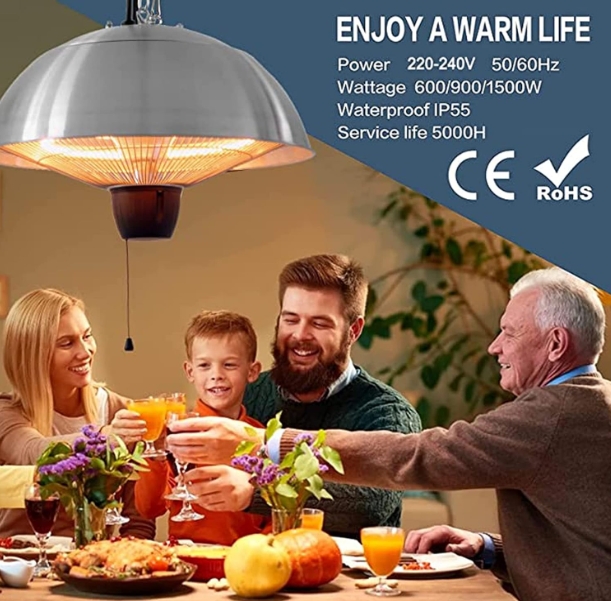
Our heaters are designed to plug right into the power setups you already have. They run on standard industrial voltages—think 220V or 400V—and the power scales from 1000W up to 2500W, depending on the size of the space. That means no extra transformers. You just wire it into your existing system and you’re good to go. The wattage is tuned to give you fast, focused heat, right where you need it.
A Closer Look at What’s Inside
The heating element is housed in a quartz tube. We chose quartz because it can handle sudden temperature changes without cracking, and it lets the right kind of UV pass through. Inside, a halogen gas keeps the filament stable. That means you get consistent heat output over the life of the lamp, and it won’t burn out quickly from being switched on and off. And when it’s time for a replacement, the R7s base makes it simple. It’s a standard linear connector, so you can swap it out quickly and without needing any tools out in the field.
Warmth That Works for Your Animals
Infrared heat works a little differently. It warms up the objects and the floor directly, not just the air. This creates a gentle gradient of warmth that animals can choose to step into or step away from, which is great for healthy circulation. We’ve tuned the filament and the quartz envelope to dial back the harsh, short-wave spikes. The result is a “friendly spectrum” of light that feels more natural and comfortable for animals. Here’s the reality of it, though: with that kind of heat density, you need to plan your mounting clearance and ventilation. Get the heater sized right for the enclosure and wire it up with proper thermal management in mind, and you’ll have a tough, reliable solution that just works.