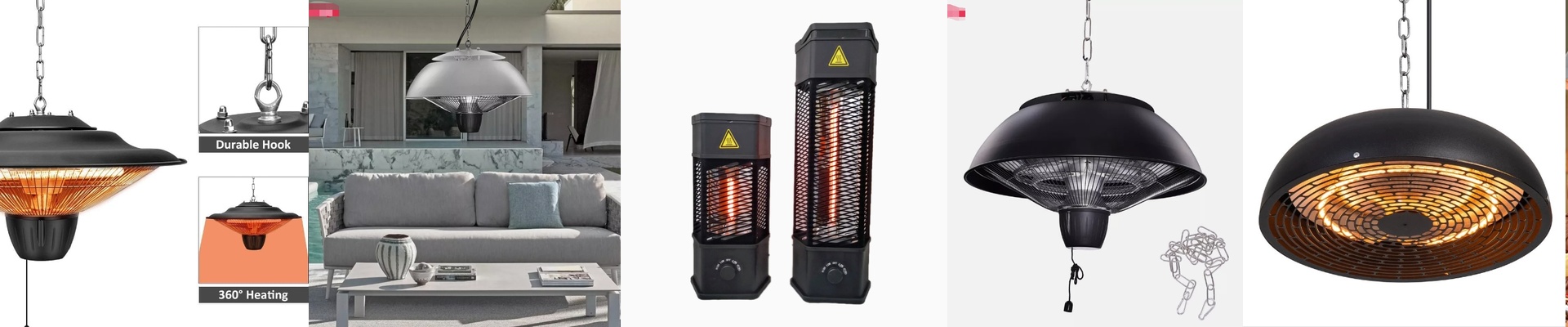

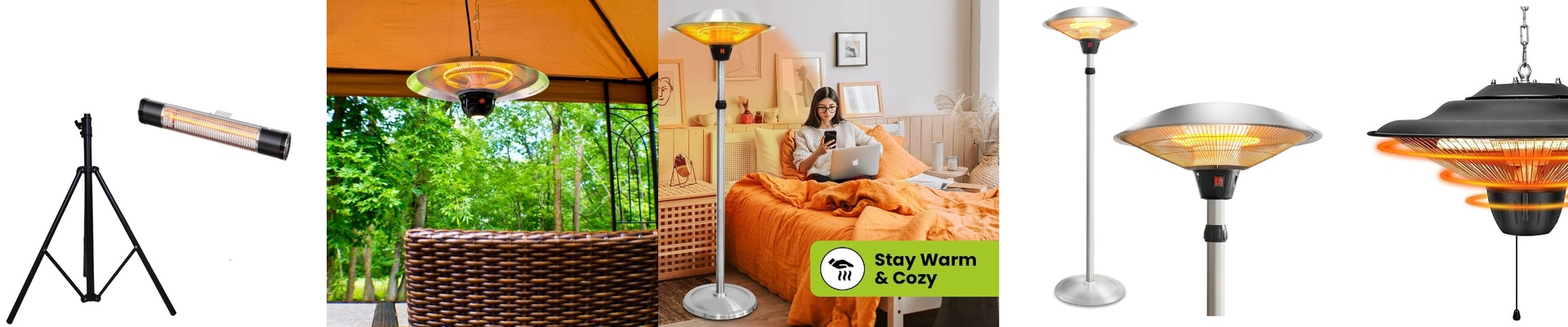
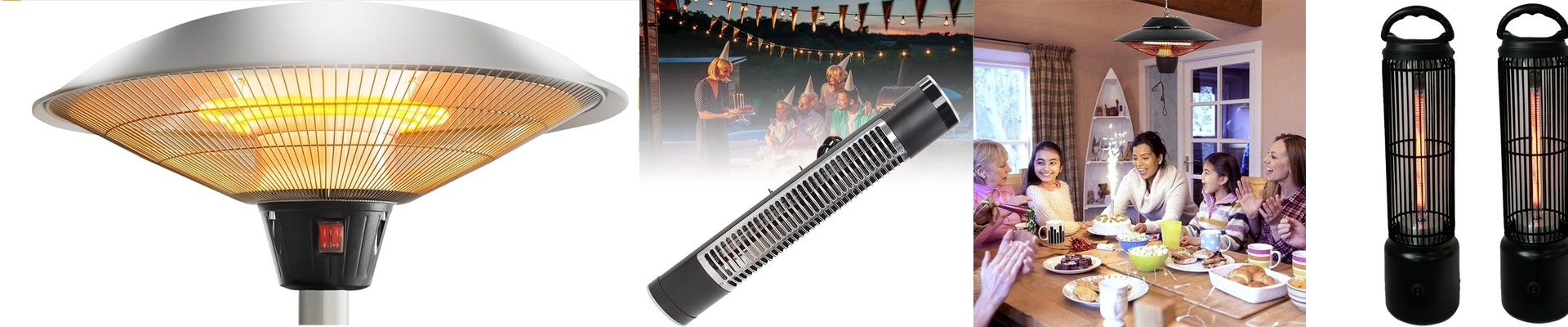
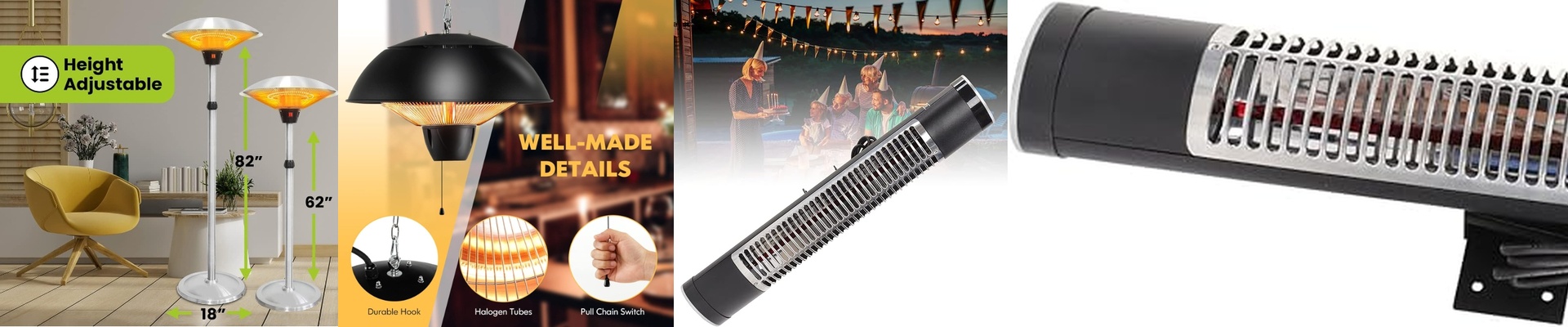
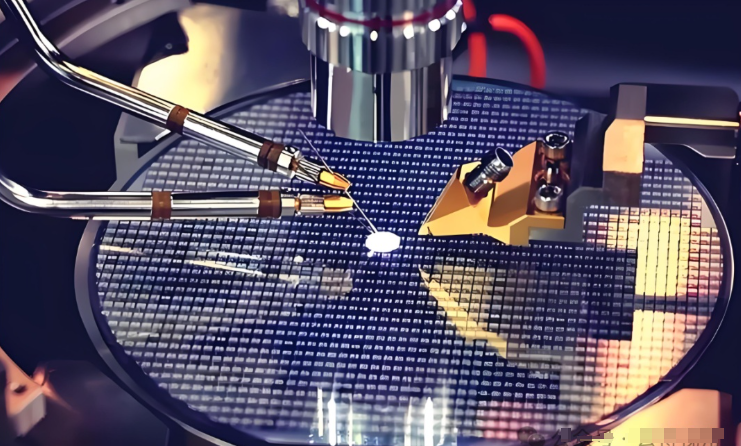
On the fab floor, the clock doesn’t slow down for anyone. Lithography cells back up waiting for the next bake, etch tools sit idle until thermal stability comes back, and every minute of unplanned heat loss turns into scrap and missed lots. When an IR lamp goes down, you don’t have the luxury of waiting on a special order. You need a replacement that drops in, locks to the same temperature profile, and gets you back to production without requalifying the process. We keep a deep inventory of fab IR lamps built for semiconductor thermal steps—engineered around repeatable irradiance, tight temperature control, and cleanroom-compatible construction. The goal is straightforward: keep your thermal budget intact and keep the line moving.
What actually matters, technically
Fab thermal processes don’t forgive guesswork. Photoresist behavior—how it flows, sticks, and holds up in etch—lives or dies on the bake staying inside a narrow thermal window, every single time. Our IR lamp lineup covers the emitter technologies you see in production: halogen with quartz envelopes for short-wave response, medium-wave options when you need more uniform heating across larger zones, and carbon-fiber-based near-infrared (NIR) emitters when the profile demands fast ramp and rapid stabilization. We focus on specs that translate directly into process control:
- Temperature uniformity and repeatability: We match lamp output to hit wafer-level uniformity on the hot plate/belt zone, so soft bake and hard bake profiles stay stable. In practice, that means consistent CD behavior lot to lot.
- Fast settling, low overshoot: Short-wave and NIR sources respond quickly, cutting the time to hit setpoint after a door open, tool alarm, or lamp swap. Less overshoot protects sensitive photoresist stacks and cuts rework.
- cleanroom compatibility: Lamp assemblies are built to minimize particle generation—sealed joints, clean-compatible materials, and surfaces that don’t shed. They’re specified to run in Class 1–100 cleanroom constraints without driving up particle counts during steady-state operation.
- Electrical and mechanical fit: We stock the standard voltages, terminations, and mounting configurations used across common bake/etch platforms, so the lamp integrates without re-engineering the tool. Numbers only matter if they show up as uptime and yield. These lamps are selected for stable output over long duty cycles, with drift low enough that temperature loops don’t spend their time chasing the lamp. We’ve got units running 5,000+ hours with less than 5% output drop in typical bake profiles.
Why this works in real lithography and etch steps
In lithography and etch-adjacent thermal work, the failure modes are familiar. Soft bake that drifts changes solvent removal and leaves you fighting edge bead. Hard bake that underperforms cuts etch resistance and introduces dimensional instability. Even a small thermal nonuniformity can show up as a repeating pattern defect across the wafer. Our inventory strategy removes the bottleneck most fabs hit when a lamp hits end-of-life: procurement lead time. When a lamp fails, you pull a replacement from stock, install it, and get back to process. The result is predictable:
- Less unplanned downtime: You replace it the same shift, not after a week of waiting.
- Process repeatability: The new lamp matches the prior output, so the thermal profile doesn’t need retuning.
- Stable photoresist performance: Soft bake and hard bake stay within spec, supporting consistent CD control and fewer exposure reworks.
- Lower maintenance burden: Standardized interfaces cut changeover time and reduce the spares you have to carry. This matters right where fab economics are decided—wafer starts, cycle time, and scrap. Keep the thermal step stable, and the lithography cell doesn’t stall. Keep bake performance consistent, and the etch window stays predictable.
The details you can’t skip
No lamp strategy survives contact with the floor unless it accounts for real constraints. **Match the emitter to the process window.**Short-wave lamps respond fast, but they can create sharper gradients if the system isn’t tuned well. Medium-wave and NIR can improve uniformity, but may need different reflector geometry and control tuning. Make sure the lamp type lines up with your hot plate/belt design and the photoresist bake recipe. **Verify electrical compatibility before you swap.**Voltage, connector type, and polarity have to match the tool. Even when the lamp fits mechanically, mismatched electricals can trip control faults or safety interlocks. **Control the thermal environment.**IR lamp performance depends on the tool geometry around it—reflectors, shields, and airflow. If the tool’s been modified or the bake chamber seals are worn, you can have a good lamp and still see profile drift. **Plan lamp aging into the schedule.**IR output degrades over time. Treat lamp life as planned maintenance. Replace on trend, not just on failure, to keep the thermal budget stable and avoid sudden drift during high-mix lots. If you run multiple tools across soft bake, hard bake, and etch pre-heat, a large inventory of fab IR lamps isn’t insurance—it’s an operational decision that keeps the line producing. Tell us your tool platform and process temperatures. We’ll match the lamp, ship from stock, and help you keep the thermal profile where it belongs: on spec, on time, every shift.