On the fab floor, an E-beam resist bake isn’t a warm-up. It’s a process anchor.
Hit a 2°C drift on the hot plate, and your critical dimension bias moves. Overlay starts to slip. Then you’re chasing yield back through the lithography cell while the schedule slides.
What actually matters under the hood
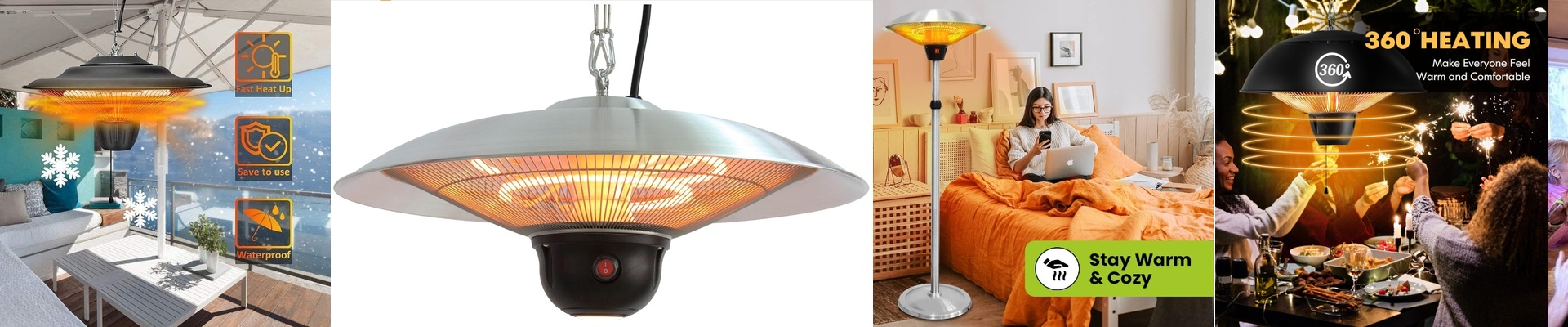
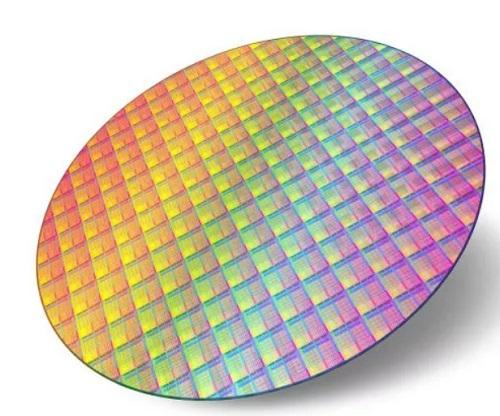
We built the E-beam resist baking heater around short-wave infrared (NIR) emitters and a quartz-enhanced thermal architecture. The payoff is sub-millimeter thermal uniformity across the wafer, and repeatability that holds setpoint within ±0.1°C.
This isn’t a spreadsheet claim. It’s measured on-wafer, under production gas flows, with thermocouple mapping that follows the tool envelope. The system runs in Class 1–100 cleanrooms, and in-situ monitoring confirms zero particle generation. You can count on 24/7 reliability—no unplanned downtime tied to heater drift.
Why it sticks in e-beam lithography
In e-beam, the resist profile comes down to the thermal budget you deliver during soft bake and post-exposure bake. Our heater locks that budget in, so critical dimension control stops being a guessing game.
You get consistent photoresist behavior lot-to-lot, fewer reworks, and less scrap. Energy use drops thanks to fast thermal response and tight temperature control, and you don’t pay for it with lost throughput.
A few practical details
Installation means matching the chamber tool interface and the gas delivery profile. The heater performs best when the exhaust path is balanced—otherwise you can get localized cooling.
Plan a short commissioning run to tune your recipe to the heater’s thermal response time. Once it’s dialed in, the process stays in control, and metrology doesn’t throw you any surprises.