Introduction
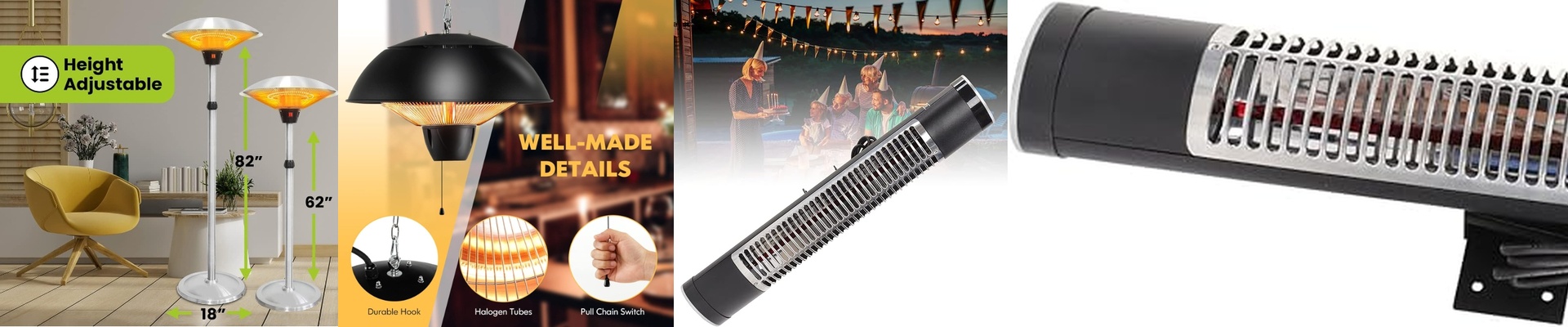
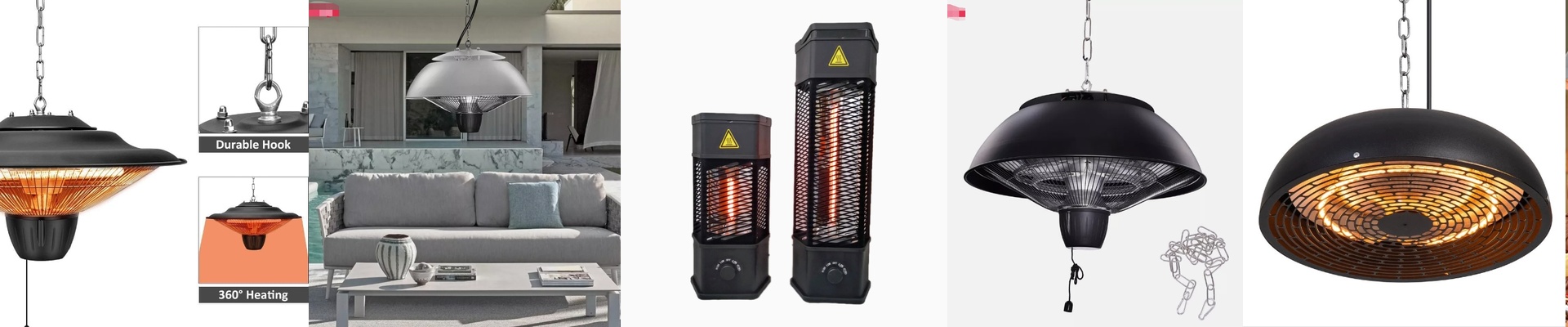
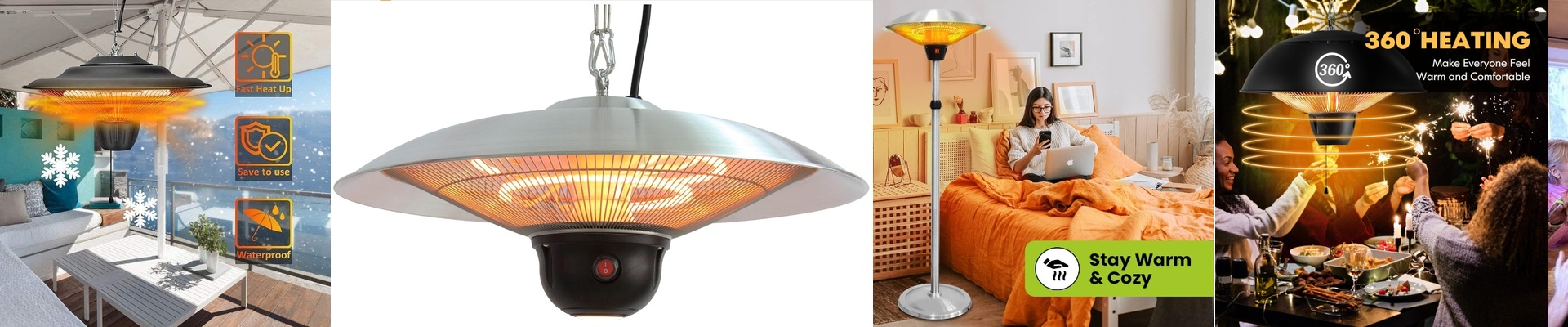
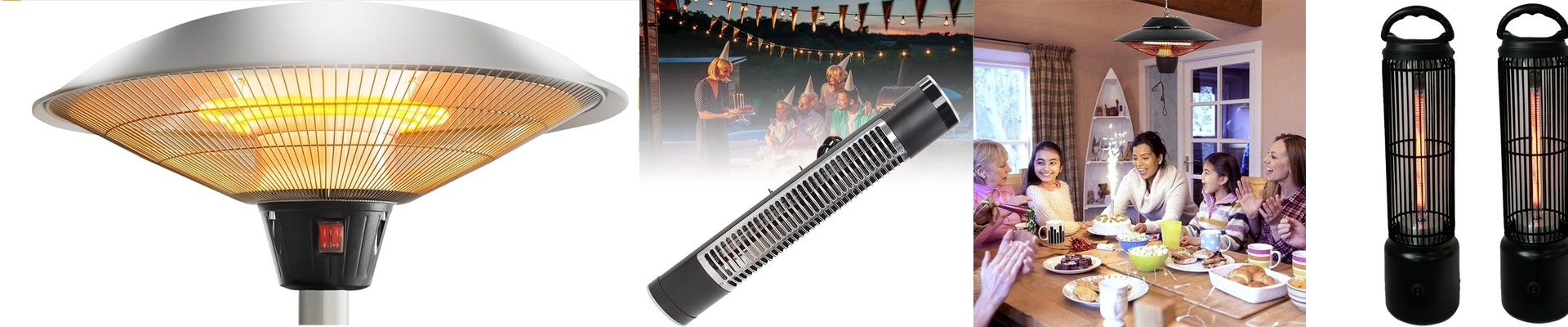
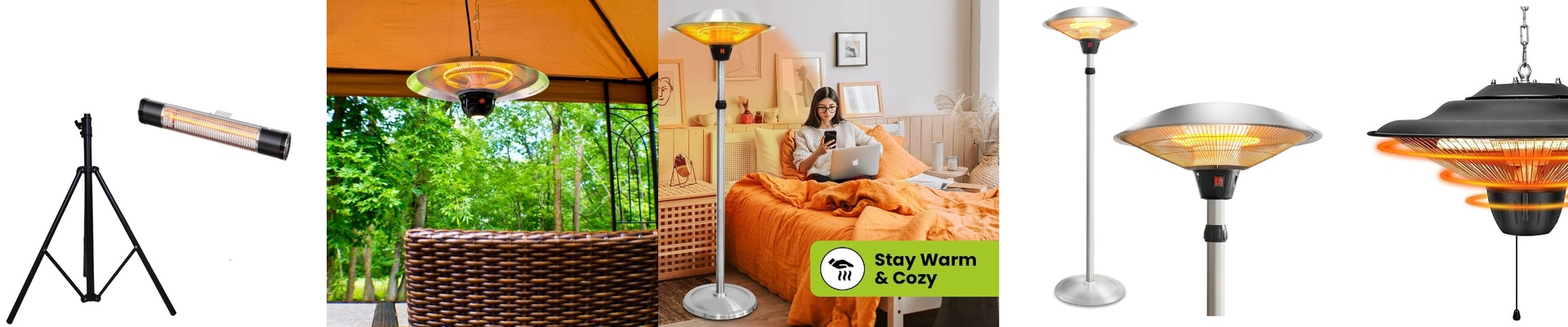
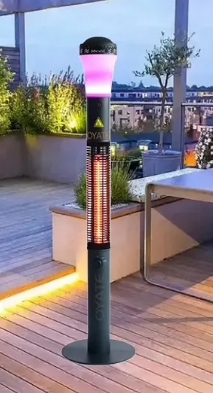
Let’s talk about beating the chill where it actually matters. We built this infrared wall heater for bathrooms and commercial spots that get hit hard in winter. It’s all about giving you warmth exactly where you need it, when you need it. Traditional air heaters waste energy warming up empty space, but this unit goes straight to the source—targeting cold surfaces and people directly. Picture an open-air restaurant. Instead of heating the whole atmosphere, this heater creates a cozy bubble right at the table. Guests stay comfortable, even when the broader temperature dips.
The Inside Story
Under the hood, you’ve got a high-intensity infrared tube. It runs at 2500W on a 400V circuit—standard for commercial setups. That means you can wire it straight into existing high-load circuits without needing bulky transformers. The tube is just 300mm long, but it punches way above its weight. This size gives you a concentrated blast of heat in a compact package, so it fits neatly on a bathroom wall or along the edge of a restaurant patio.
What It’s Made Of
The heart of this heater is a halogen-filled quartz tube. It heats up fast, sending out short-wave infrared that cuts right through the air to warm solid objects directly. The tube itself is coated to keep output steady, even with the constant on-off cycling. And the R7s connector? That’s the industry standard for a reason. It locks the element in place securely, handling both vibration and the expansion that comes with high heat.
Where It Shines (And What to Watch For)
Step into a bathroom or sit down at an outdoor table, and you feel the difference right away. It’s not just about the air temperature—you feel the warmth on the floor, the table, on you. That direct comfort keeps a space usable and keeps people coming back. But here’s the thing—this kind of power needs respect. The 400V, 2500W draw is serious, so you’ve got to get the wiring and breaker right. And it’s not a set-and-forget kind of deal. You need proper thermal management in the mounting area to keep nearby materials from getting too hot. Treat it like the direct-heat tool it is, and give it the right setup. That’s how you get the performance you’re after.