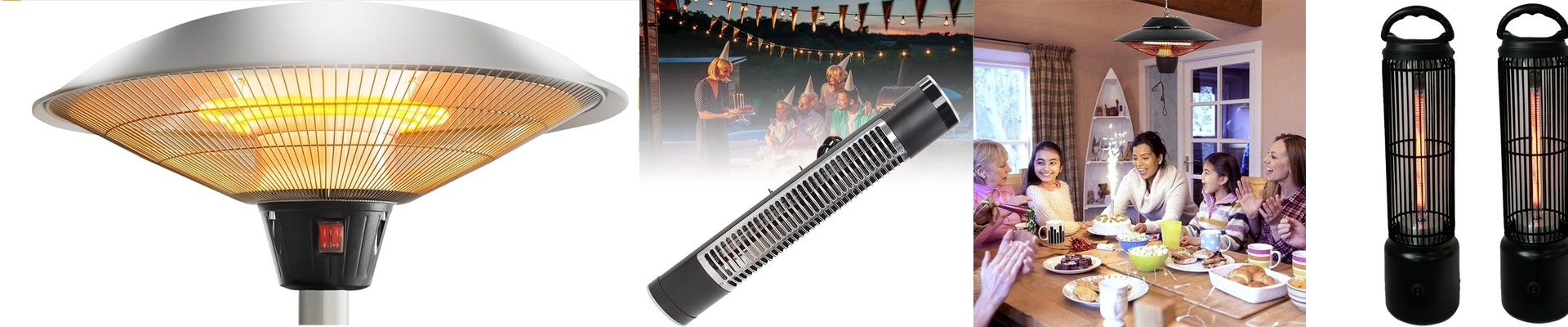

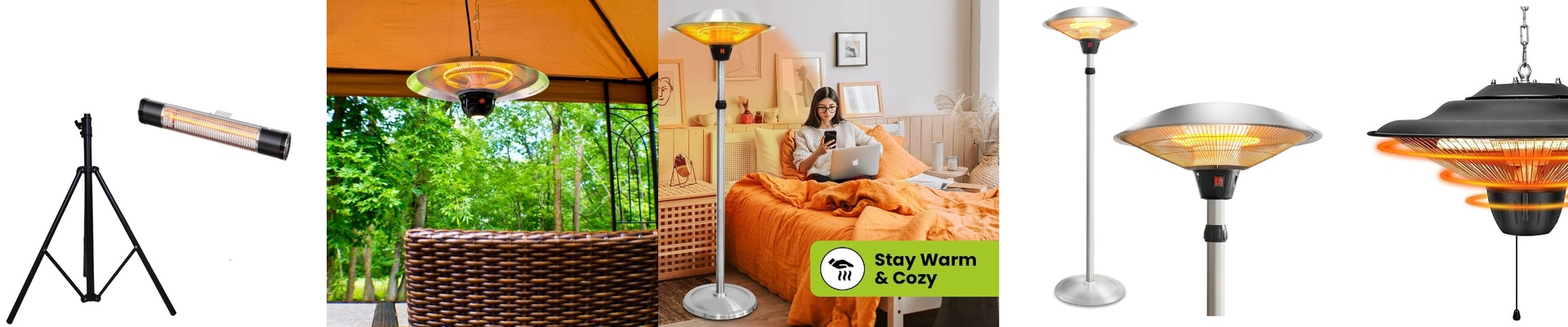
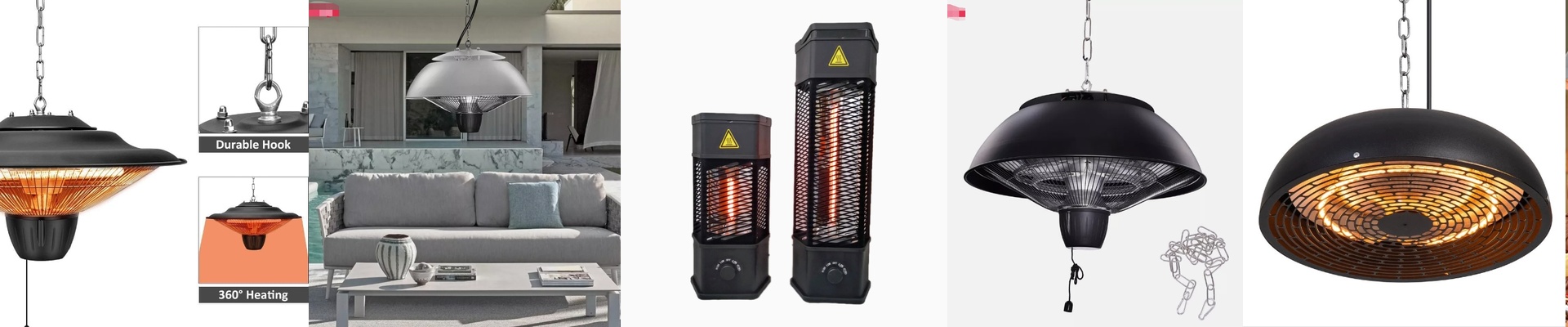
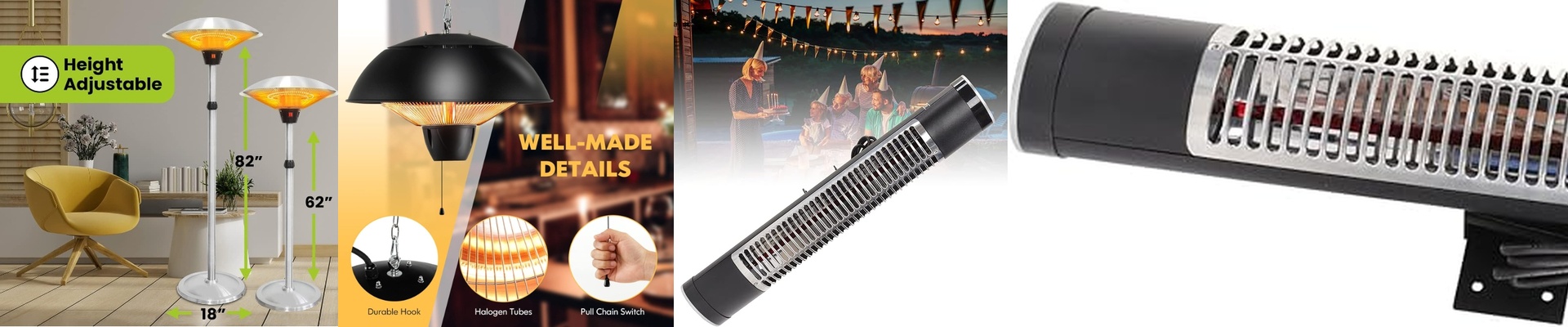
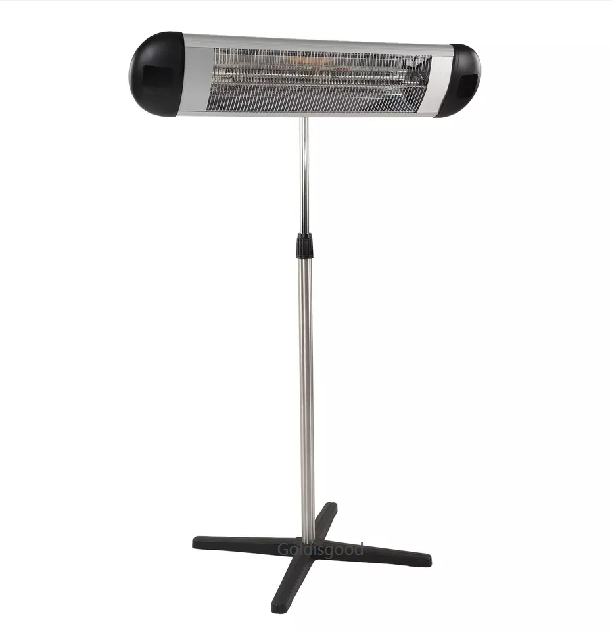
High-Output Halogen Infrared Heaters: The Real Reason They Keep Offices Feeling Right
We build these heaters for places where comfort isn’t optional—where steady, targeted warmth is part of how people get their work done. In modern offices, it’s not about heating the whole room. It’s about warming the people and the surfaces that matter. That’s the whole point of infrared. It means folks stay comfortable even when the air temperature is a bit lower. Drafts show up less. And the workspace feels more consistent—no sudden chill near windows or exterior walls.
Power, Voltage, and Size: What Makes Them Tick
Here’s the heart of it: infrared heating is all about heat density and control. We engineer these units around a 400V electrical setup. That lets us pack more wattage into a smaller footprint than standard 230V designs. And higher voltage means less current pulling on the branch circuit. So wiring takes less stress, and voltage drop over distance is easier to manage. We also carefully calculate tube length and element spacing so the radiant heat spreads evenly across the target area. But there’s a trade-off. High heat density means you need proper ventilation and thermal management where the unit is mounted. If you’re spec’ing a high-wattage heater, the surrounding enclosure and nearby components have to be ready for the added ambient heat.
The Materials That Make It Reliable
At the core is a halogen-filled quartz tube. The halogen gas lets the filament run hotter while slowing evaporation. That’s what keeps output stable and extends service life. Quartz does two big things well: it transmits infrared energy efficiently, and it handles thermal shock without drama. We add a reflective coating to push more energy forward. Less wasted heat. Better pattern control. For the connections, we use R7s and Sk15 connectors. They hold tight, make contact reliably, and are built for quick install in fixed commercial and industrial setups.
What It Feels Like in an Office (And Why Installation Isn’t a Headache)
In an office, these heaters deliver warmth immediately. No waiting around for air to move. That means fewer cold spots by windows and exterior walls—one of the most common comfort complaints in winter. The environment feels more stable. Fewer swings. Less draft discomfort. From an installation standpoint, it’s straightforward. The form is compact, so it fits tight ceiling and wall layouts. And the connector options make wiring fast using standard termination practices. The physics are simple: infrared heats people and surfaces directly. The 400V architecture and solid materials keep performance steady over time. We design these as drop-in solutions for both retrofits and new builds. If you need predictable warmth where people work, this is the practical way to make it happen.