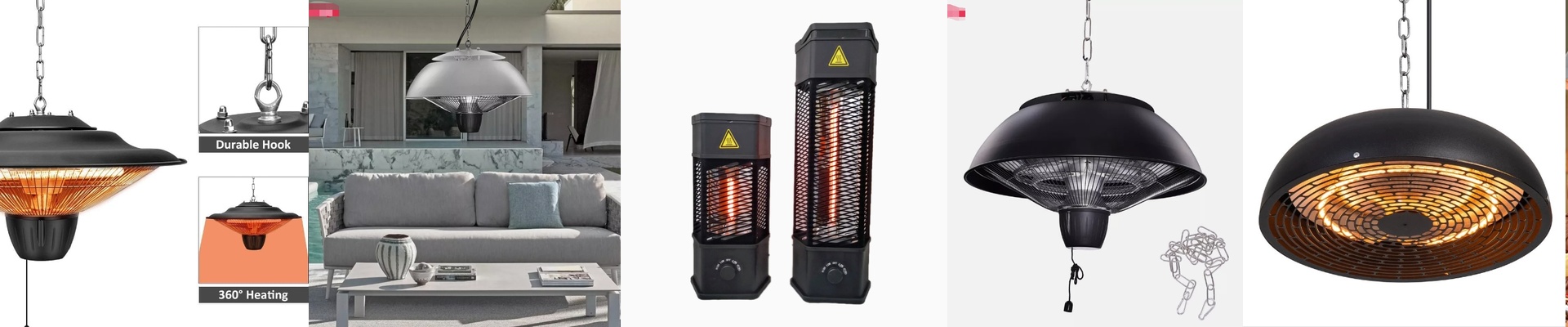
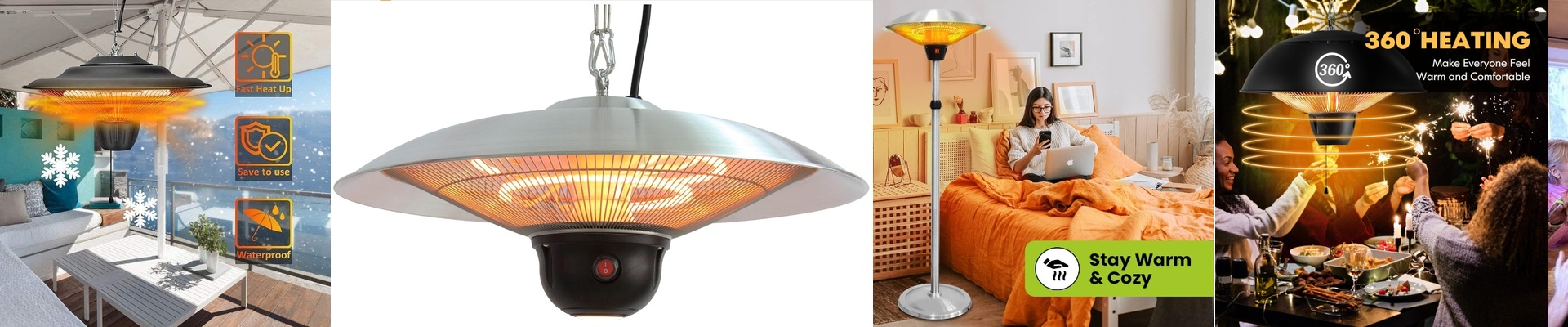
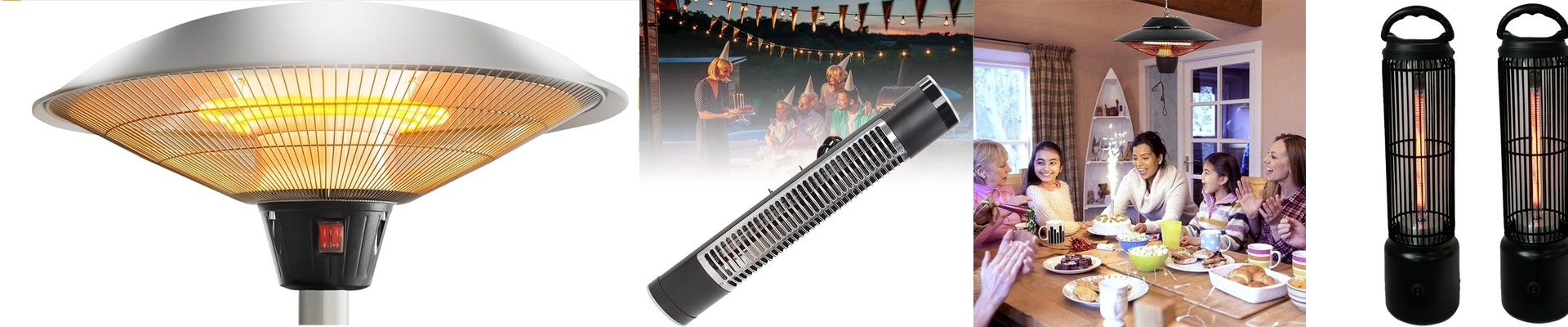
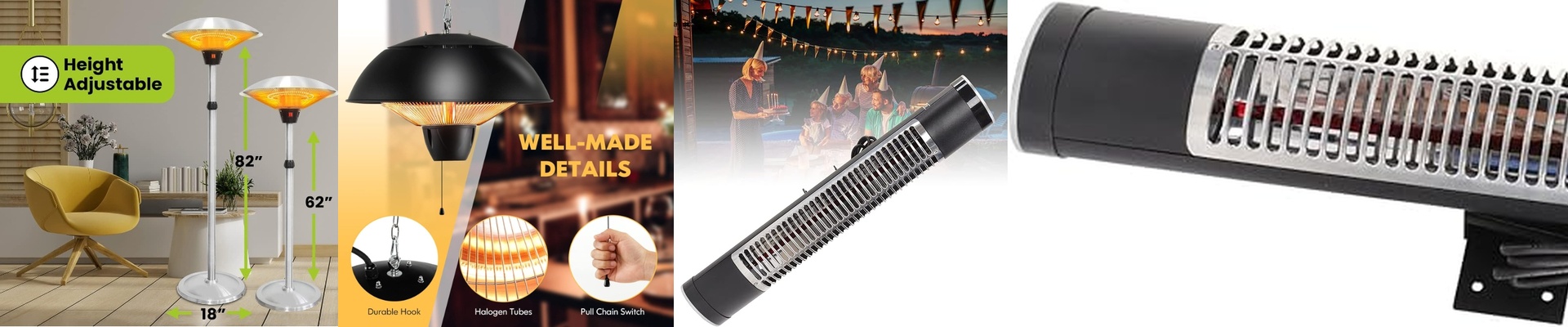
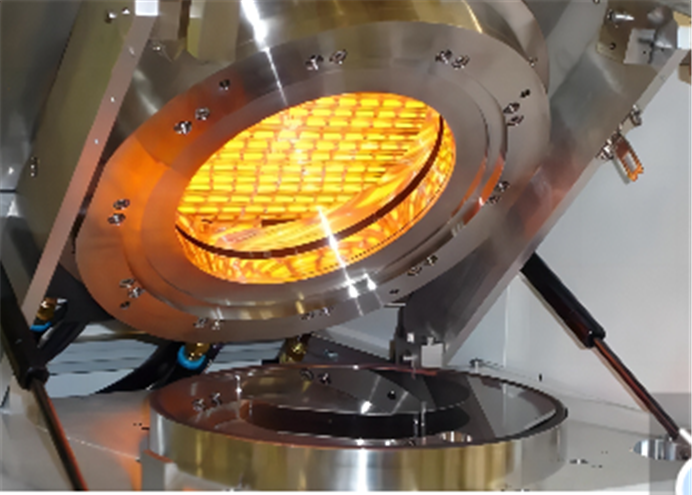
On the fab floor, the photoresist bake profile isn’t a recommendation—it’s a hard rule. A 2°C swing during soft bake or hard bake will move critical dimension bias, and one particle shed during heating can scrap the wafer. Thermal drift? You pay for it in scrap and downtime. Here’s what matters technically. We run halogen short-wave and medium-wave heaters built around semiconductor thermal budgets. Across the bake surface, wafer-level temperature uniformity holds at ±0.1°C, with setpoint repeatability at ±0.2°C. Fast settling and tight overshoot control keep the process in spec. Cleanroom-compatible materials and a zero-particle architecture keep particle counts down where it counts—Class 1–100 environments. The system is engineered for 24/7 reliability, and the MTBF data backs up long stretches without unplanned stops. Why this works in lithography tracks and coat/bake modules is simple: the bake step has to be repeatable, shift after shift. Our spare heaters keep photoresist bake performance consistent, which means less rework, fewer re-quals, and fewer excursion investigations. We get energy use under control with efficient lamp-to-substrate coupling, so operating cost comes down without slowing throughput. The payoff is fewer parameter tweaks, stable CD control, and maintenance windows you can actually plan around. A few practical notes. These heaters are calibrated to a specific thermal profile and footprint. Swapping them in depends on exact mounting, reflector geometry, and the power interface—mismatched fixtures will chew into uniformity. After installation, plan a short burn-in and a temperature mapping run to confirm the profile lines up with the target process.