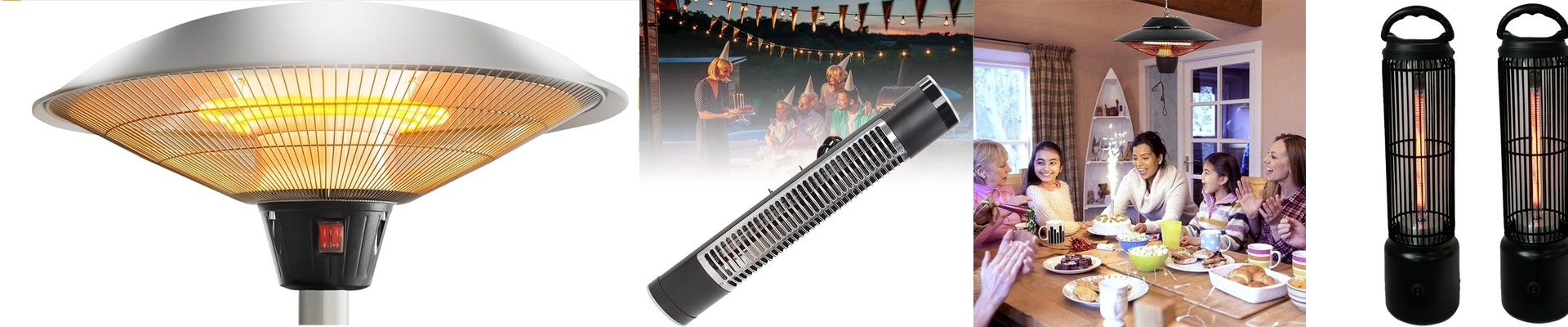

Engineering Infrared Heaters for Bathroom Safety: A Technical Guide to Electrical Insulation
Let’s talk about bathroom heaters—specifically, the kind that don’t make you hold your breath every time you flip the switch. We built our infrared heating lamps for the toughest spot in the house: the bathroom. The goal? Give you instant, focused warmth—without ever risking electrical safety in all that steam.
Technical Deep-Dive: Core Electrical Specs
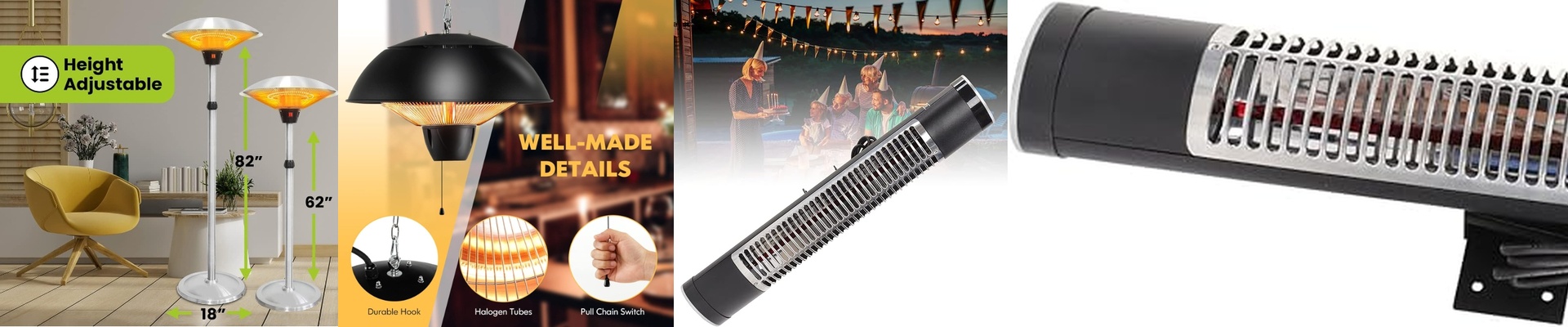
Here’s how it works. We use a high-output infrared tube, running at either 220V or 240V, to deliver serious power in a small footprint. The length of the lamp isn’t just for looks—it’s carefully chosen so the filament resistance and heat profile are just right. And the payoff? Heat, right now. No waiting around for warm-up. You step out of the shower, and the warmth hits you immediately.
Material & Design: The Foundation of Safety
At the core is a heavy-duty quartz tube. Why? Because it can handle the shock of turning on and off again and again without cracking. Inside, a halogen-filled, high-purity environment keeps the filament protected, so the lamp lasts longer and stays steady. But the real hero is the double-insulated housing and fully sealed base. That means moisture has nowhere to sneak in. The electrical parts stay completely isolated, no matter how steamy it gets.
Application & Benefits: The Bathroom Reality
Bathrooms are brutal on electronics. Condensation shows up uninvited and never leaves. So we designed this infrared heater to be a simple, drop-in upgrade over standard options. Instead of heating the air—which just stirs up humidity—it warms people and surfaces directly. That helps keep condensation in check. Now, there is one trade-off: the heat is direct. You feel it strongest where you’re standing, and corners may stay a bit cooler. But for anyone who needs a heater that just works—without constant maintenance or worry—this is the kind of rugged, dependable solution that makes sense in a wet zone.