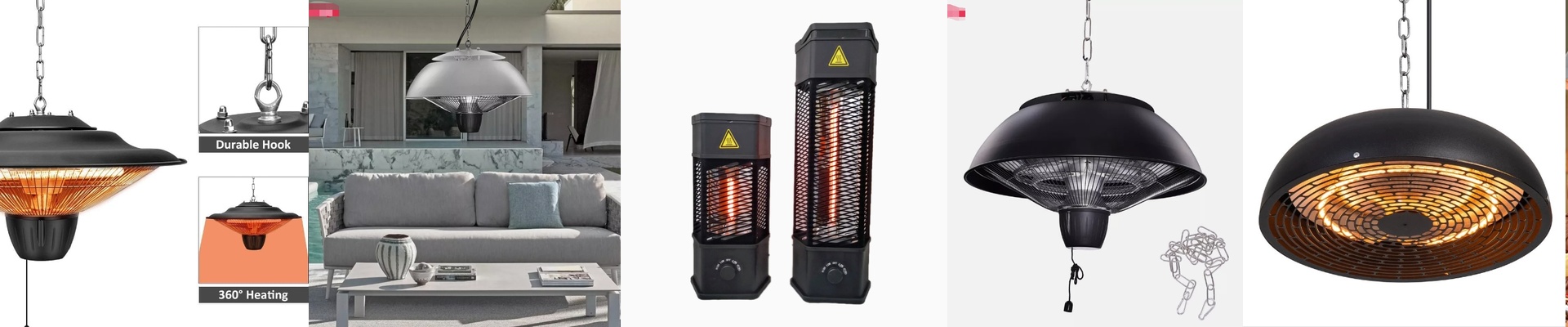
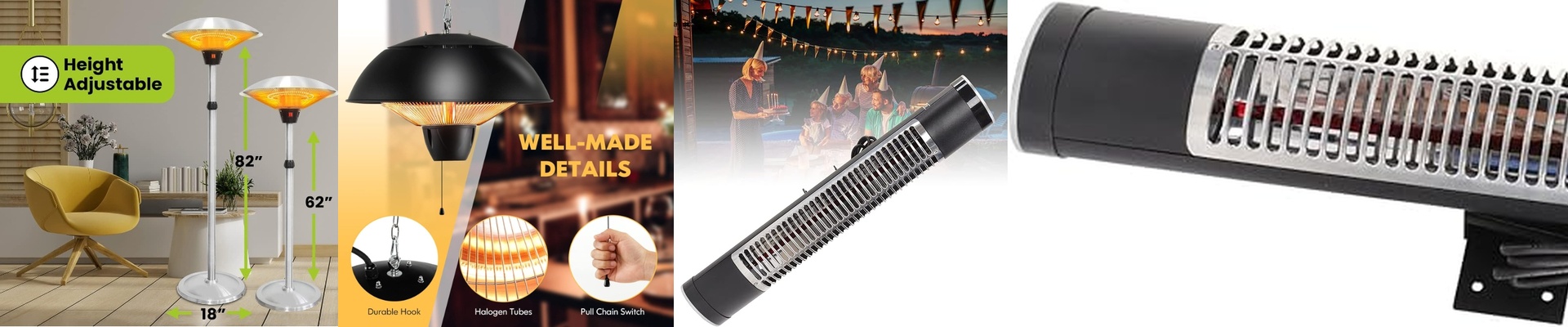
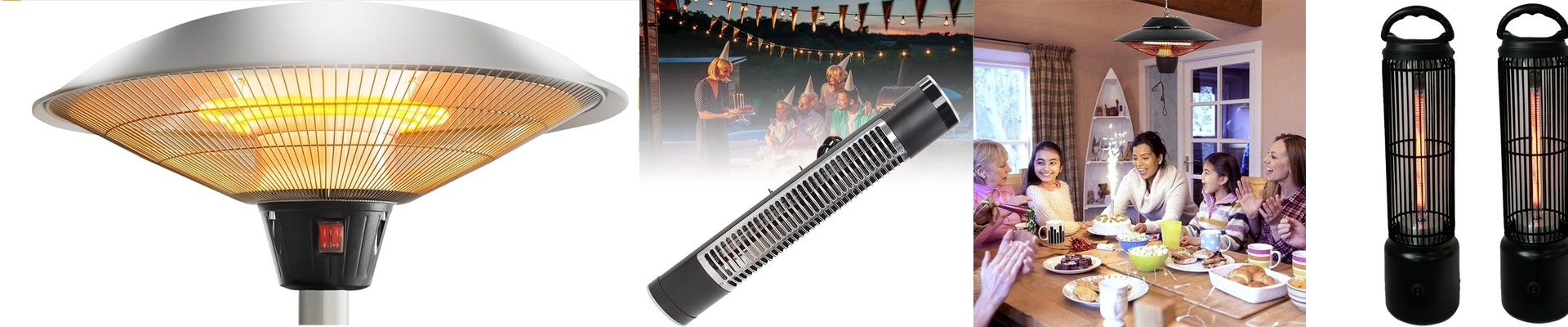
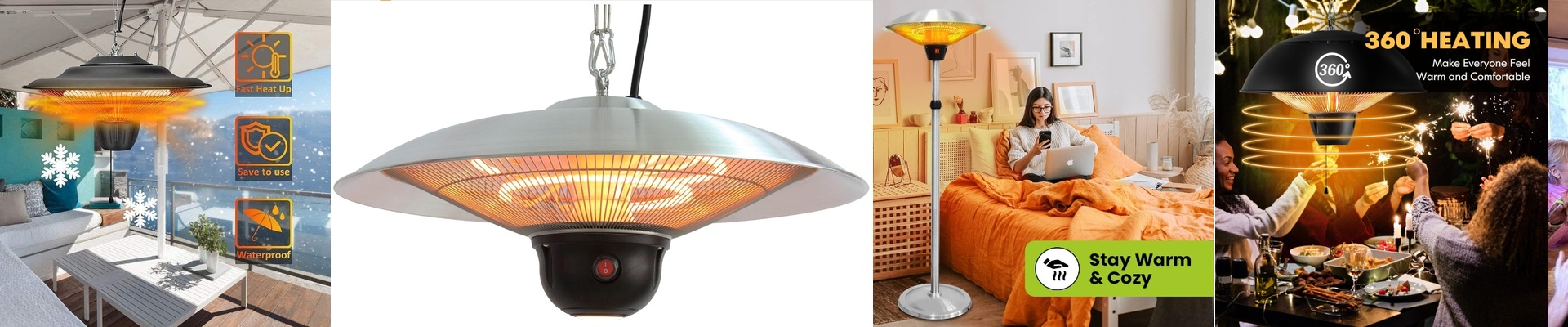
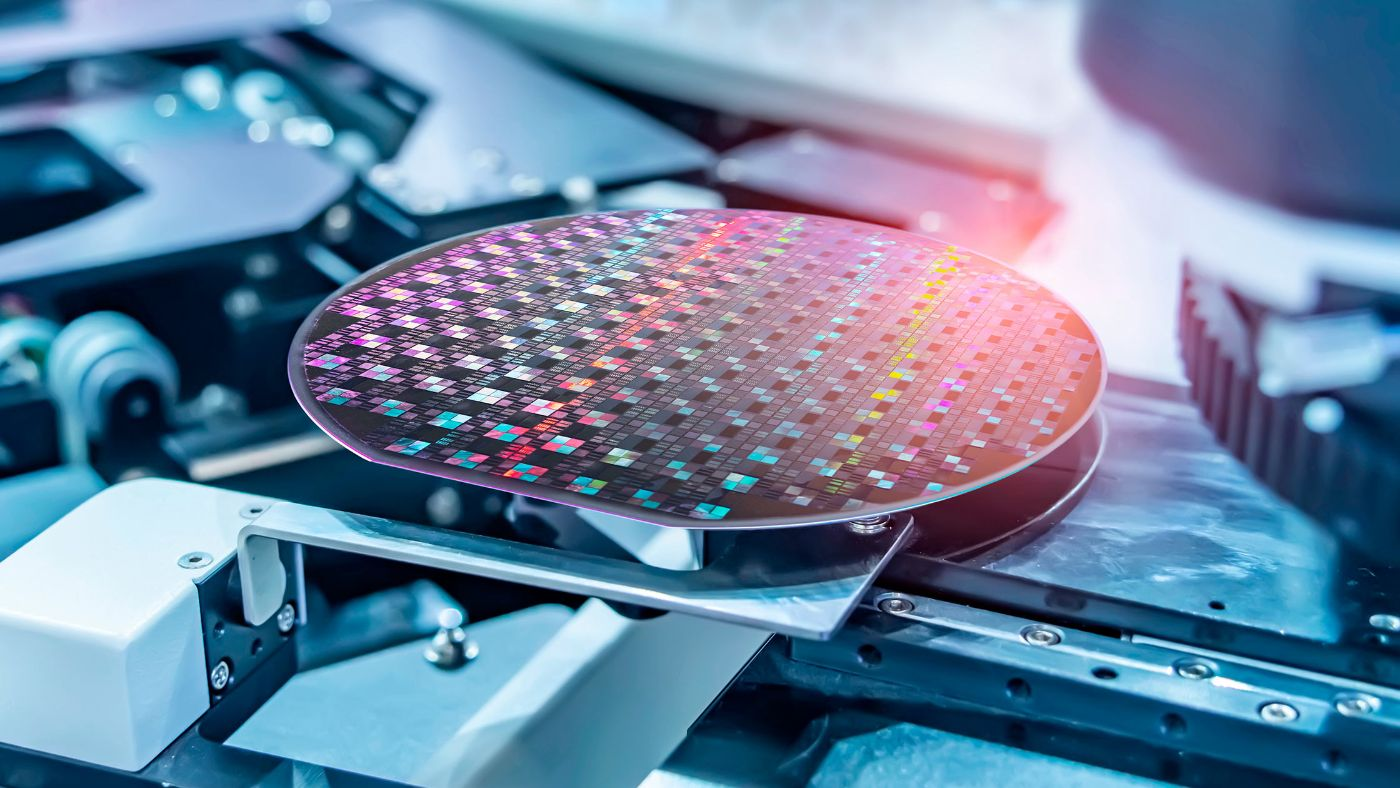
On the fab floor, soft bake and hard bake are not places to get cute. A two-degree excursion will move your critical dimensions, and a particle spike can wipe out the lot. We built twin-tube infrared heating lamps to match the discipline the process demands. What matters under the hood is simple: the twin-tube layout focuses short-wave infrared into a tight zone, so you get fast, direct heating with very little thermal mass. Across the bake surface, wafer-level uniformity holds within ±0.1°C, which is what keeps photoresist cure repeatable, lot after lot. The cleanroom fit is baked into the design. Quartz envelopes and sealed terminations keep particle counts in check, and the lamps show zero outgassing under bake profiles. Output stays stable over 5,000+ hours, with intensity drift under 5%, so the thermal budget stays consistent across the lithography cluster. Why it works in practice is straightforward. Tight soft bake repeatability cuts CD variation and cleans up line-edge roughness. Hard bake consistency reduces rework and protects yield. The fast ramp-up shortens cycle time without giving up temperature accuracy, and the focused infrared spectrum wastes less energy, which drops operating cost per wafer. In high-volume lines, that reliability means fewer surprise stops and maintenance windows you can actually plan around. Here are the things you need to get right on install. Optical alignment has to be exact, and you need a dedicated, shielded power feed so you don’t induce EMI in adjacent stages. The lamps perform best when matched to a specific reflector geometry and driven by a closed-loop pyrometer. Swap reflectors without recalibration, and uniformity can drift by 0.2–0.3°C. After lamp replacement, plan for a short burn-in and a recalibration to bring the setpoint back to ±0.1°C.