On the lithography floor, don’t treat soft bake as a warm-up. It’s the thermal step that locks in solvent content and sets photoresist adhesion. Give you a 1°C drift across the wafer—or a cold spot in the lamp map—and you’ll watch critical dimensional control slip away. Line-width roughness climbs. Defects follow.
What Matters Technically
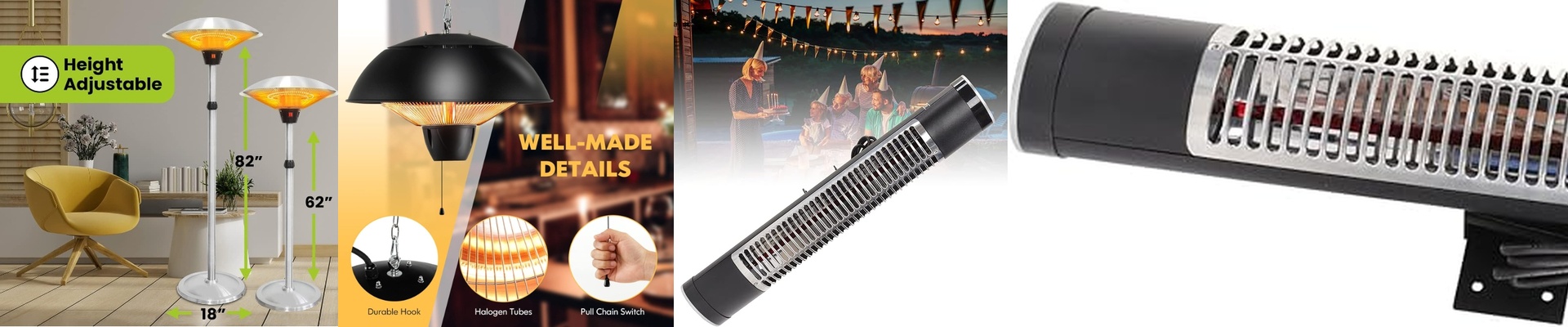
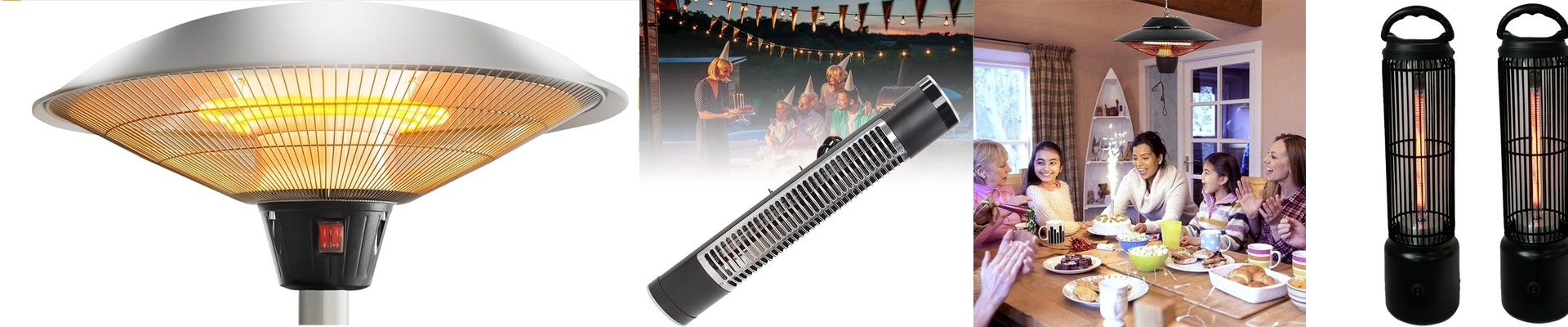
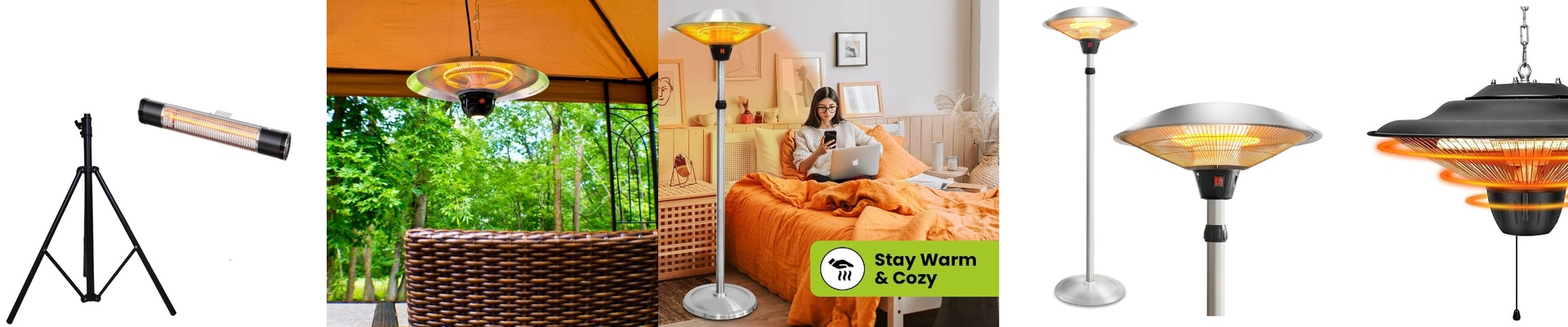
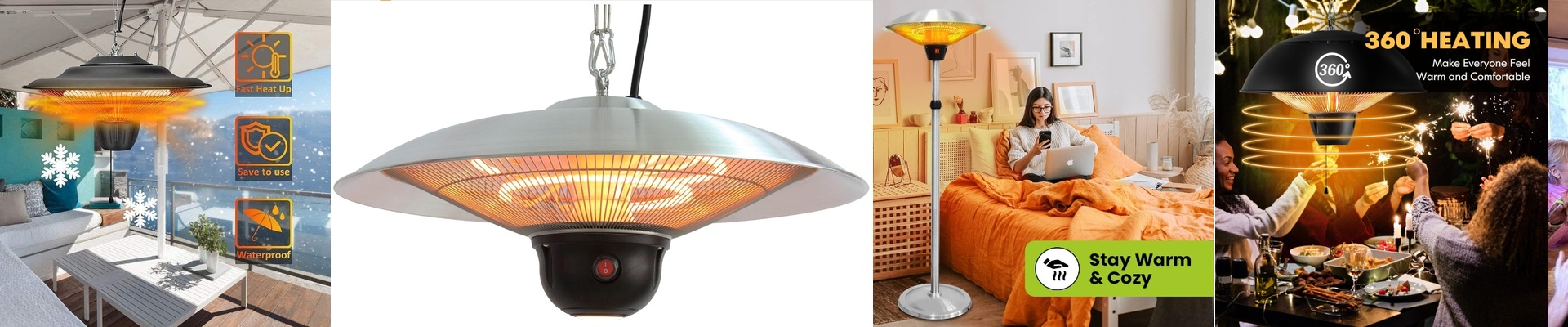
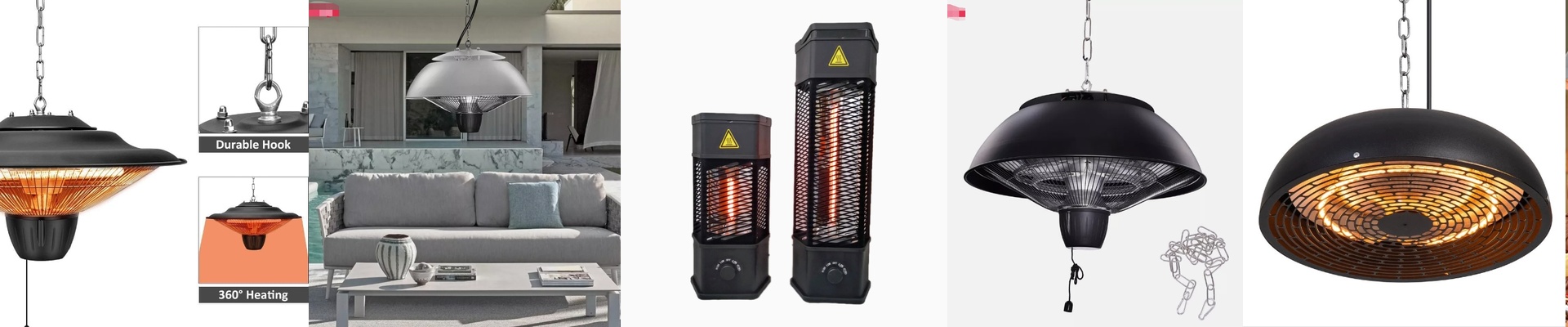
We run NIR lamps for soft bake because they give you sub-millimeter uniformity in the thermal field. The quartz-halogen emitter geometry and reflector stack are tuned so the thermal profile follows the wafer, not the heater. Across the bake surface, you can hold wafer-level uniformity at ±0.1°C, and repeatability stays tight lot-to-lot because lamp output is stable and the bake profile is reproducible. Cleanroom compatibility isn’t an afterthought. In Class 1–100 environments, you won’t see a particle spike from the lamp, and the assembly is built to generate zero particles during operation.
Why It Works Here
In a high-volume fab, soft bake repeatability is your yield insurance. With NIR, the wafer hits bake temperature fast—cycle time drops without blowing the thermal budget. Photoresist thickness control and edge bead behavior get more predictable, which opens up the process window and cuts scrap. Energy use falls because the lamp heats the wafer directly, not the air around it. Reliability shows up as uptime: units have run 5,000+ hours with less than 5% output drop, so unplanned downtime stays off the schedule.
Things to Know
NIR soft bake lamps are particular about mounting and alignment. Output uniformity hinges on emitter-to-wafer distance and the condition of the reflector, so any retrofit has to match the tool’s mechanical envelope and cooling airflow. The lamp works with standard interfaces, but change the bake plate or wafer size and you re-qualify the thermal profile. And plan your spares around emitter life—that’s how you keep the line moving.