
Stopping Sparks Before They Start in Chemical Cleaning Zones
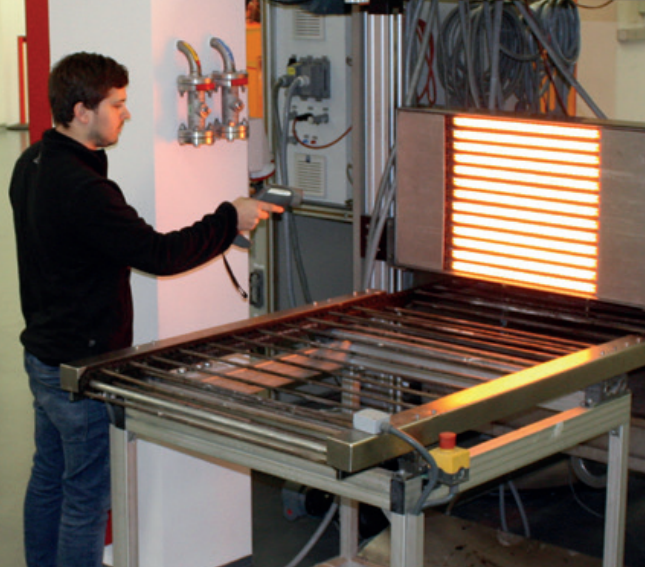
When you’re dealing with flammable chemicals in a fab, you can’t afford a “whoops” moment. One tiny spark or a surface that’s just a bit too hot can turn a routine cleaning cycle into a disaster. It’s stressful. That’s why we stopped using open-element heating. Instead, we wrap our infrared (IR) lamps in specialized encapsulation.
How the Encapsulation Actually Works
Think about a standard IR lamp. The quartz tube and electrical terminals are just… out there. In a chemical wash area, that’s basically an invitation for trouble. We fix this by sealing the whole heating element inside a heavy-duty, chemically resistant shell. It creates a physical wall so flammable gases never even get close to the energized parts. But it’s not just a plastic cover. We use reinforced glass or quartz and gaskets that don’t melt or degrade when they hit corrosive solvents. Here’s the clever part: the housing is pressure-rated. If something leaks inside the lamp, the enclosure holds that pressure and cools the gases down before they ever touch the air around them. It keeps the danger contained.
Keeping Things Cool and Steady
In a fab, “stability” isn’t just a buzzword—it’s everything. You need your temperature to stay exactly where you set it. We dial in the wattage and voltage precisely so the heat flux doesn’t drift. But you have to be careful about the heat footprint. High-density IR puts out a lot of energy. It doesn’t just hit your target; it heats up the mounting brackets too. If you skimp on the cooling fans or heat sinks, those gaskets will start to degrade. And once a seal goes, your safety margin disappears.
Getting It Into Your Line
The best part? These units just slide right in. They’re built to replace your standard heaters without a massive overhaul. We also use reinforced connectors. Why? Because in industrial settings, things vibrate. Vibration loosens screws. Loose screws cause arcing. By locking everything down and isolating the electrical arc from the chemical vapors, we basically take the “trigger” out of the equation. You can finally stop worrying about the “what ifs” in your cleaning line.