
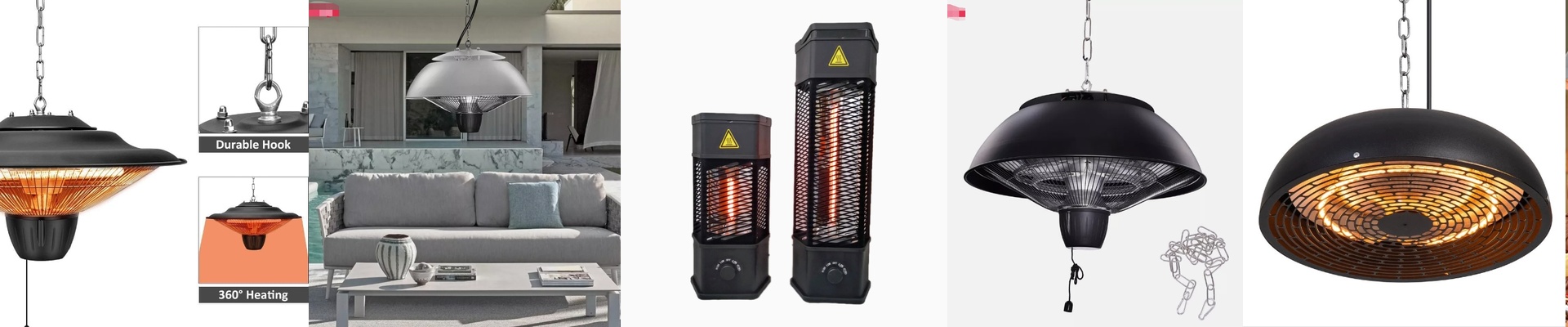
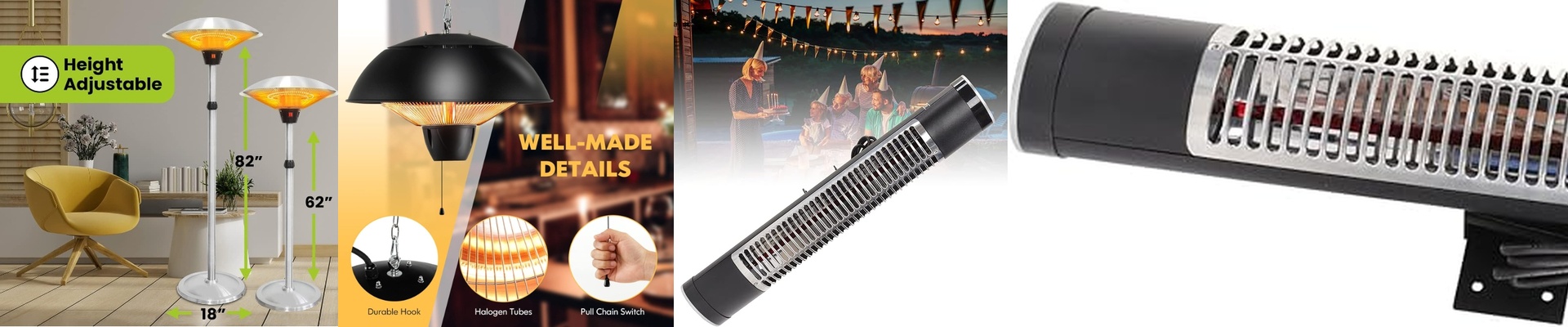
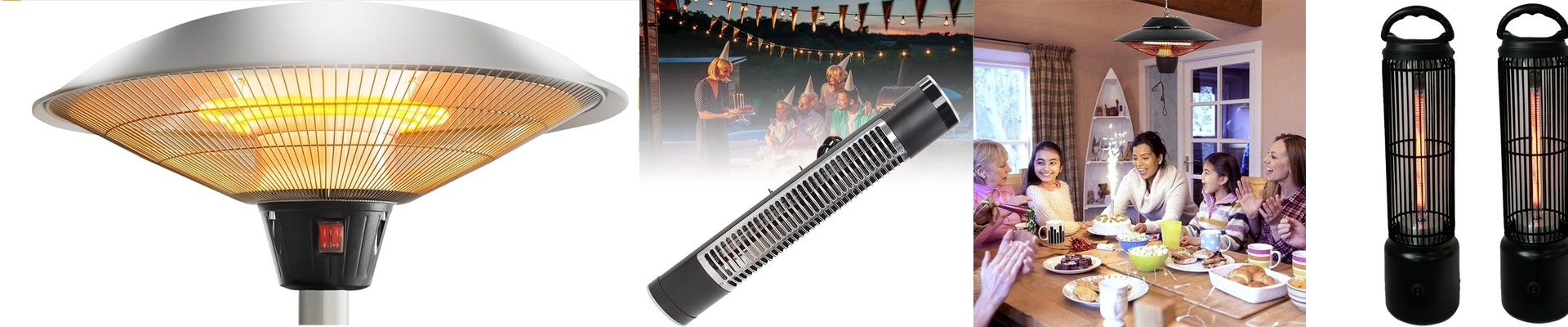
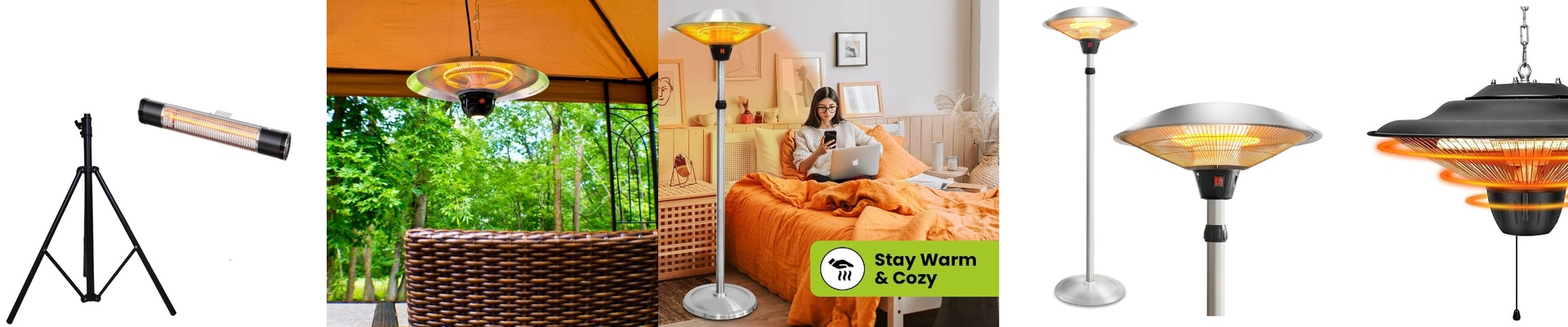
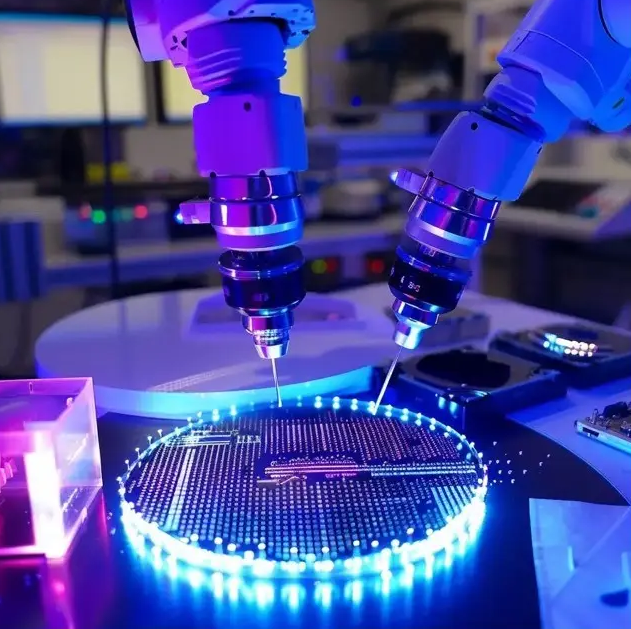
On the lithography floor, a 1°C drift during photoresist soft bake is enough to move critical dimensions and send the lot to scrap. You need thermal control that stays in spec, shift after shift. What matters, technically Our fab heaters hold wafer-level thermal uniformity within ±0.1°C across the bake surface, with setpoint repeatability of ±0.5°C. Match the element to your thermal budget—halogen short-wave, medium-wave, or carbon-fiber/NIR—across 100 V to 480 V, and fit the footprint to coater/track hotplates, wafer boats, and packaging curing fixtures. Quartz and high-purity ceramic paths keep out-gassing down and particle generation at zero, supporting cleanroom Class 1–100. Control is PID, with RS-485/Ethernet options. The heaters are built for 24/7 operation, with MTBF data that targets zero unplanned downtime. Why it holds up in practice In photoresist processing, that tight uniformity gives you consistent soft bake and hard bake profiles, so CD control stays steady and yield doesn’t wander. In packaging, stable curing profiles cut down voiding and warpage, which shortens qualification cycles and keeps rework off the board. Fast ramp-to-setpoint response and low standby losses trim energy use. The clean construction keeps particle counts flat, so you’re not chasing preventive maintenance. A few shop-floor realities Installation comes down to matching hotplate mass and the thermal interface. Expect a short commissioning window to tune PID gains for your chamber and carrier geometry. The heaters are compatible with SECS/GEM, but full protocol alignment depends on your host controller version. Keep operations within the rated ambient range and keep cooling and exhaust paths clear. If you don’t, thermal cycling stresses the element and shortens service life.