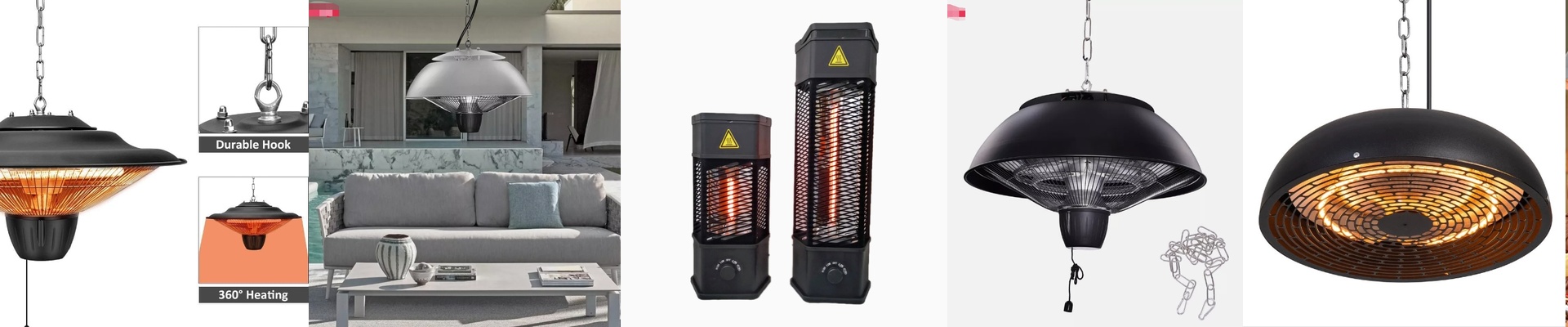
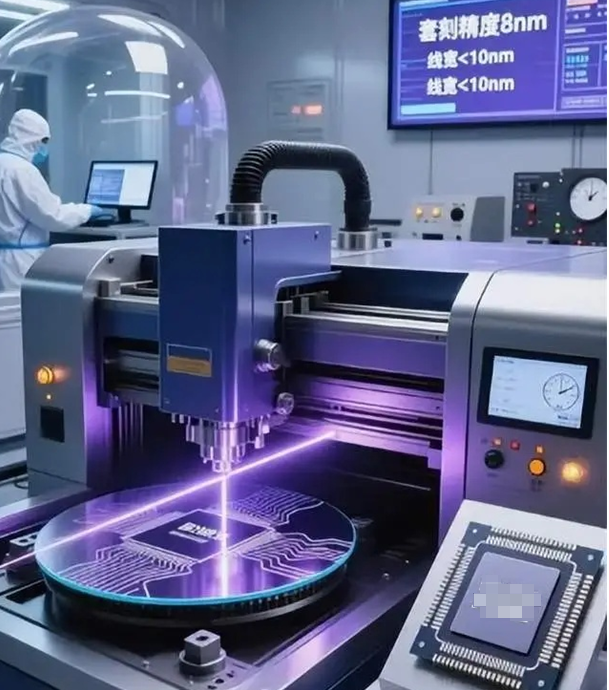
On a 300mm line, the thermal budget isn’t a suggestion—it’s the line you can’t cross. Soft bake drifting by half a degree? You’ll see it in the photoresist profile. Hard bake missing the setpoint? Expect scum after develop. We built these heaters for that reality, because in the fab, every minute of unplanned downtime is a yield hit. What matters, technically We’re holding wafer-level thermal uniformity within ±0.1°C across the full bake range, and the ramp rates keep the thermal profile tight to the recipe. The chamber uses short-wave infrared elements with quartz isolation, so you’re not adding particles. Cleanroom particle counts stay stable at Class 1–100. Repeatability is baked into the control loop: same setpoint, same profile, lot after lot. Why it holds up in lithography In the track, consistent soft bake and hard bake are what keep critical dimension and sidewall angle under control. These heaters hold setpoints under 7×24 operation, and across multi-year deployments we’ve seen zero unplanned downtime. That translates to fewer scrap wafers, fewer rework lots, and cycle times that don’t swing around. The design is efficient—tight element coupling and low thermal mass—so you cut energy use without giving up temperature response. A few practical notes These units drop into standard tracks, but you’ve got to match thermal coupling to the platen and the tool’s mechanical interface. Plan a short commissioning run to tune the PID constants for your specific carrier and wafer stack. Once those numbers are dialed in, the process stays locked.