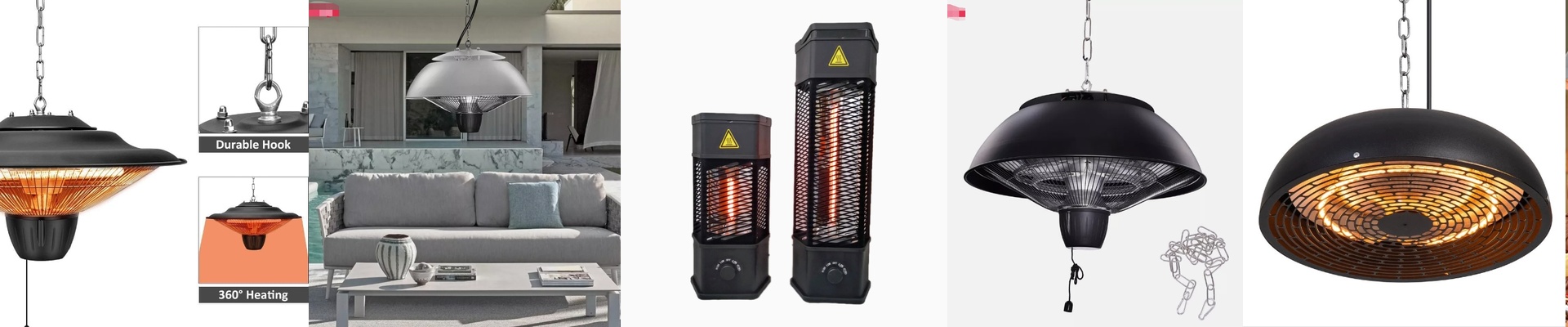
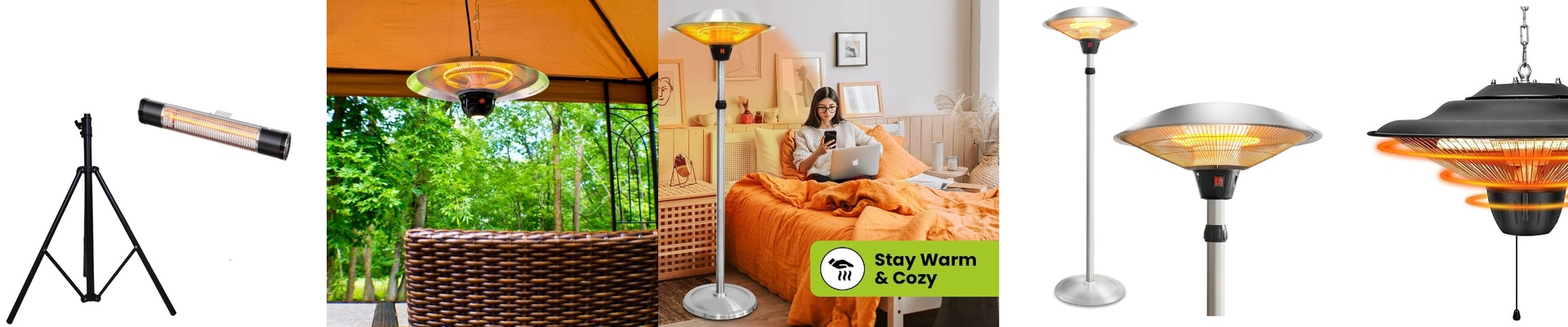
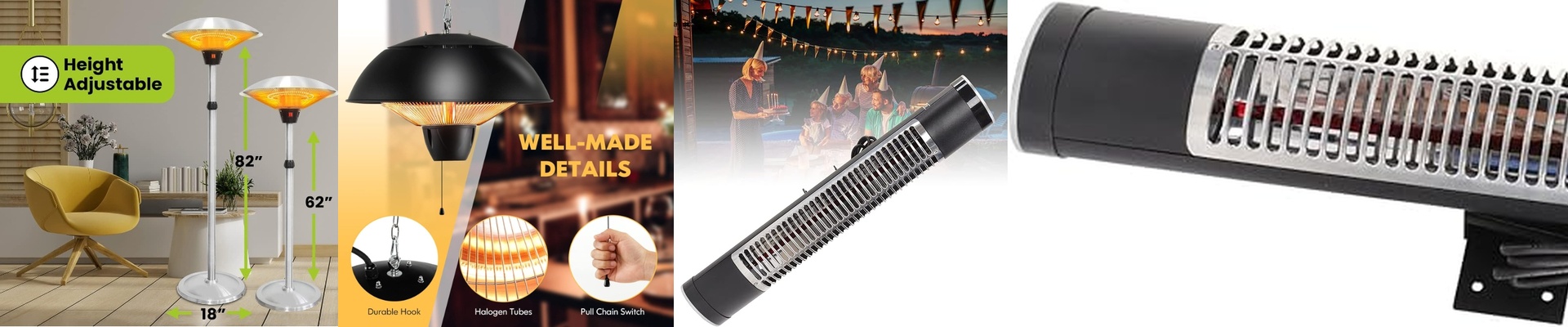

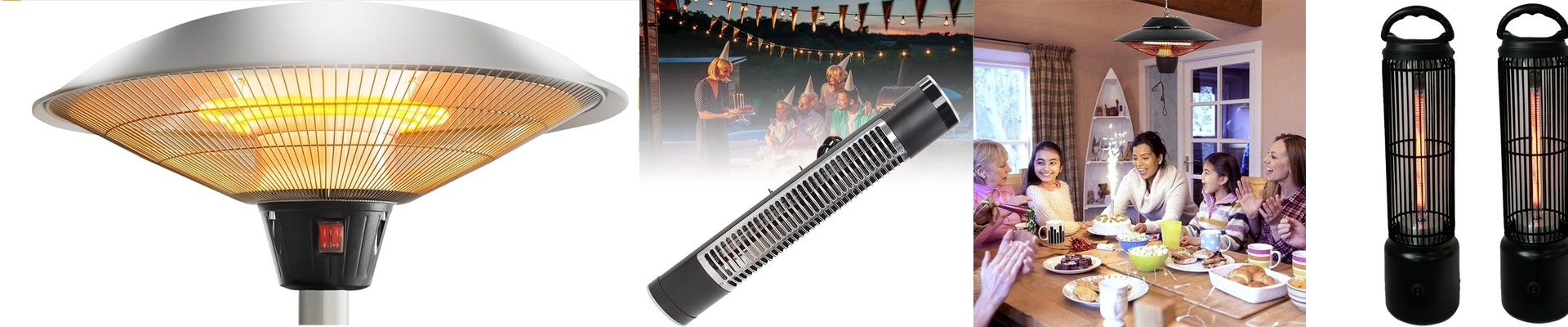
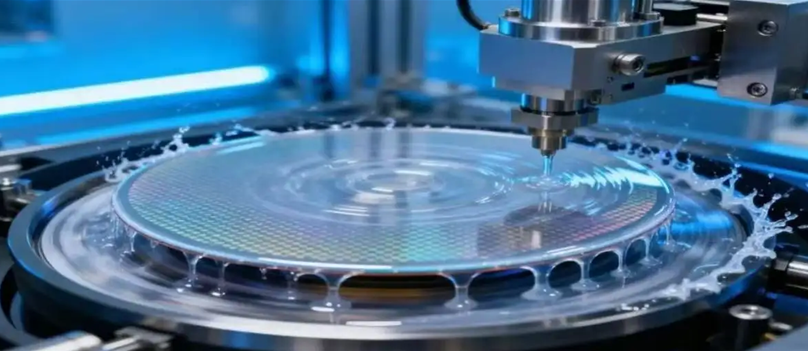
Out on the fab floor, you know how quickly a soft bake can get away from you. Slide the temperature off by even 0.5°C and the line widths drift—and that drift shows up as yield you can’t afford. Cold chemical cabinets? They swing viscosity, and the thermal non-uniformity turns into repeatability failures that hit the next lot.
Infrared Precision: Sub-millimeter Thermal Field and Repeatable Results
We built the fab chemical cabinet heater around short-wave infrared emitters, tuned to match the absorption profile of the photochemicals you run every day. The payoff is sub-millimeter uniformity across the heated zone and temperature stability at the wafer-process level. Setpoint control holds at ±0.1°C, and repeatability lands in the few-milliseconds range. That means every soft bake and hard bake lands on the same thermal budget, lot after lot, without the usual drift. The unit is cleanroom-compatible for Class 1–100 and engineered to generate zero particles. The quartz-based path keeps outgassing low, so you don’t introduce contamination that can wreck resist.
Why It Works in the Semiconductor Fab
This heater keeps photoresist processing in spec, which directly cuts line-width excursions and rework. When the cabinet is thermally uniform, viscosity stays consistent, edge defects drop, and first-pass yield improves. Infrared heats the target directly instead of the surrounding air, so energy use comes down. The fast response also trims the warm-up wait between lots. Reliability is built for 24/7 operation—components are rated for continuous duty, and the design handles frequent thermal cycling without drifting.
Practical Notes for Installation and Use
The heater drops into existing cabinets, but alignment between the emitter array and the fluid path is the make-or-break detail for uniformity. Plan on a dedicated supply and a clean, stable voltage feed; otherwise you’ll see setpoint jitter. After any maintenance, give the system a short thermal soak-in. And keep cabinet door use consistent—air incursion is the fastest way to lose repeatability.