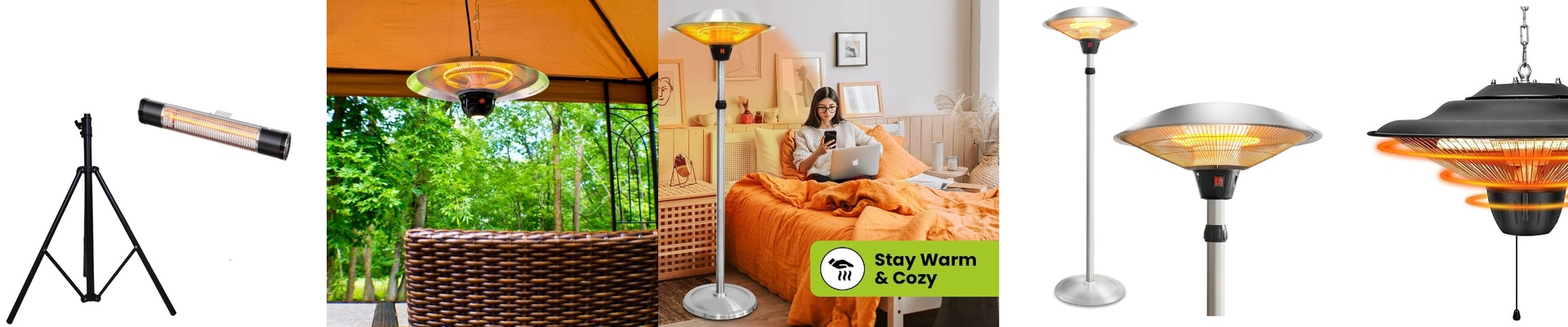
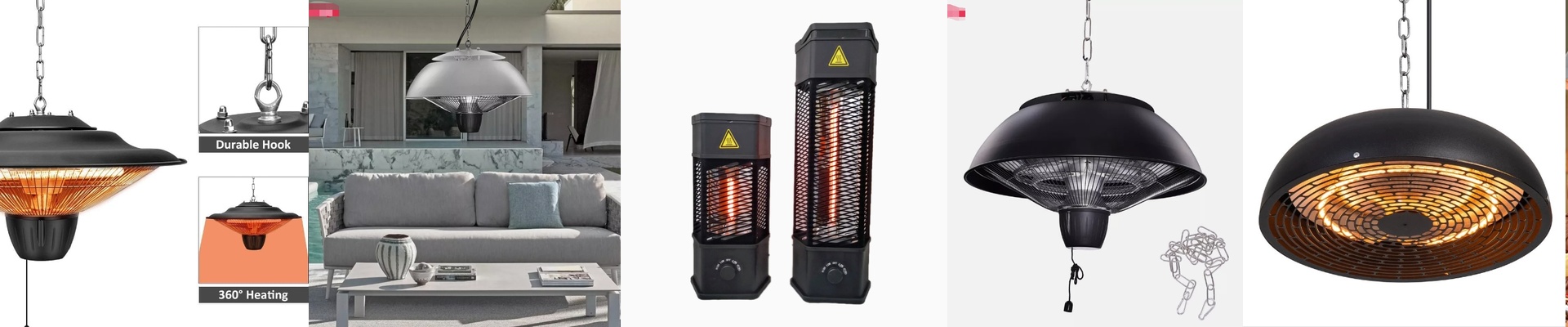
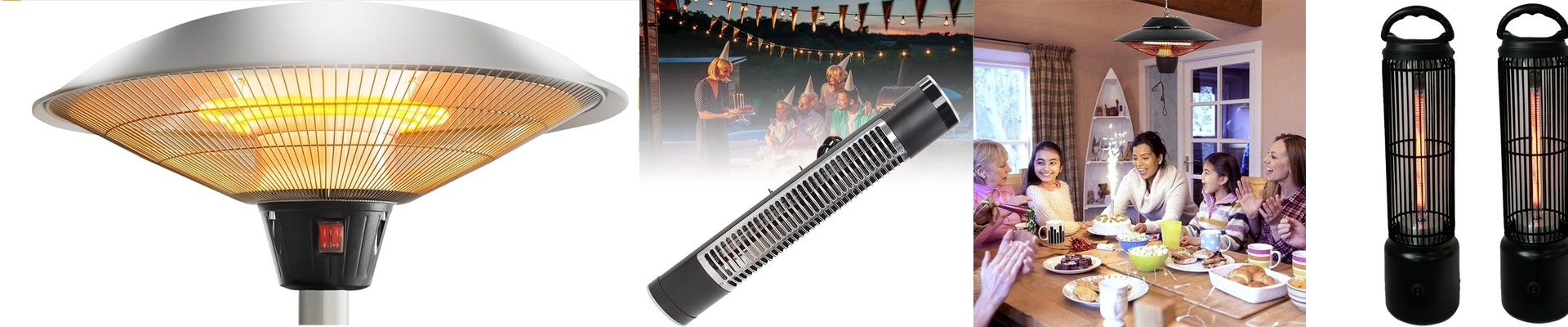
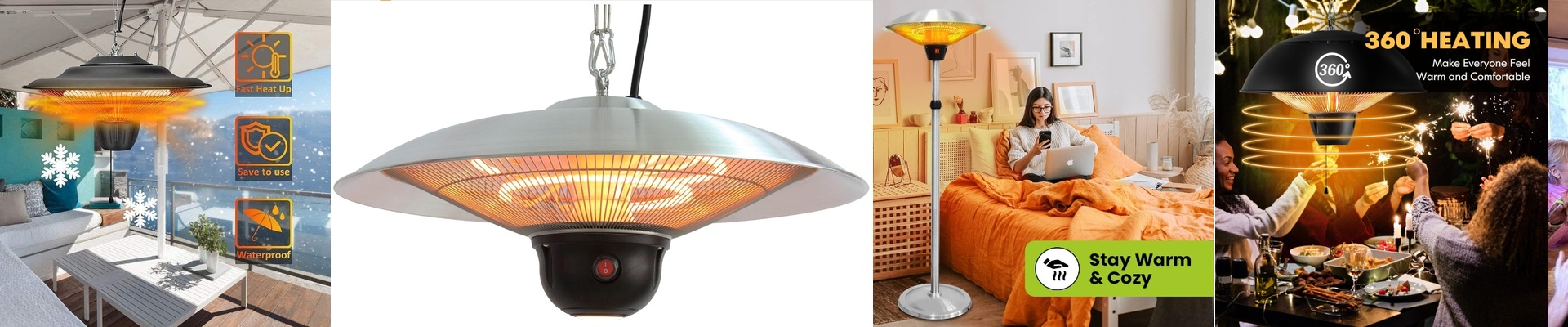
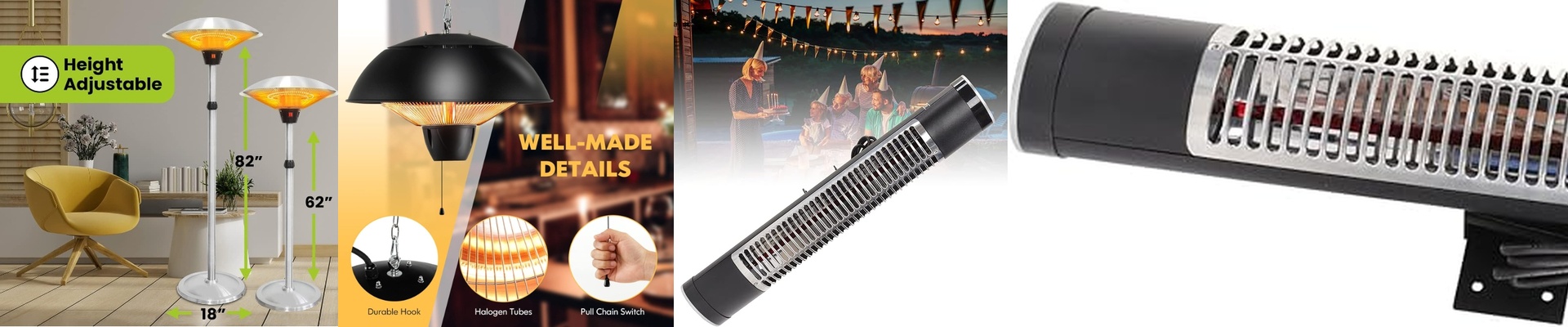

When the evenings start turning chilly and the baby’s down for the night, you don’t want a heater that roars, dries out the air, or sucks oxygen from the room. That’s where outdoor radiant heaters come in. They use infrared warmth to heat people and surfaces directly—no combustion, no moving air. Just a steady, even heat that keeps things comfortable on the patio without disturbing the house.
What actually matters, technically
Outdoor infrared heaters work by emitting electromagnetic radiation—think of it like the sun, just without the UV. Most models run on a carbon fiber element or a quartz tube to produce medium-wave infrared. It’s a practical sweet spot: heat that penetrates and delivers comfort fast. You get heat on demand, with near-instant on performance, because the element heats up quickly and radiates outward. Go for an electric, oxygen-free design: no flame, no fuel, and no venting needed. On the safety side, a tip-over switch shuts the unit off if it gets bumped, and overheat protection prevents trouble if airflow stays blocked. A thermostat helps you hold a consistent comfort level, and an IP rating—usually IPX4 or higher—tells you the heater is built for damp outdoor conditions.
Why this works for households with infants
Two things matter most when you have a little one in the house: quiet and no oxygen consumption. Infrared heaters run quiet because there’s no fan to rattle and roar, so naps and bedtime routines stay undisturbed. And since they don’t burn fuel, there’s no carbon monoxide and they don’t pull oxygen from the space. That matters a lot on a covered patio or a sunroom that sits right next to living areas. You also feel the comfort quickly. Radiant warmth reaches you even when the air is cold, so you can sit outside longer without over-bundling. The heat is directional, which keeps it efficient where you actually need it, and it doesn’t create drafts that stir up dust or allergens.
The practical stuff you should know
Placement matters with outdoor infrared heaters. Keep the unit a safe distance from furniture, curtains, and anything combustible, and if the cord doesn’t reach an outlet directly, only use outdoor-rated extension cords. They perform best when aimed at seating areas, not when you’re trying to heat the whole yard. One reality check: radiant heat warms what it touches. You’ll feel warmth on your skin and on furniture, but the surrounding air can still be cooler. For the best results, set up some wind protection and pick a model with enough output for your space. Get the setup right, and you’ll have dependable outdoor comfort—without trading off safety or peace.