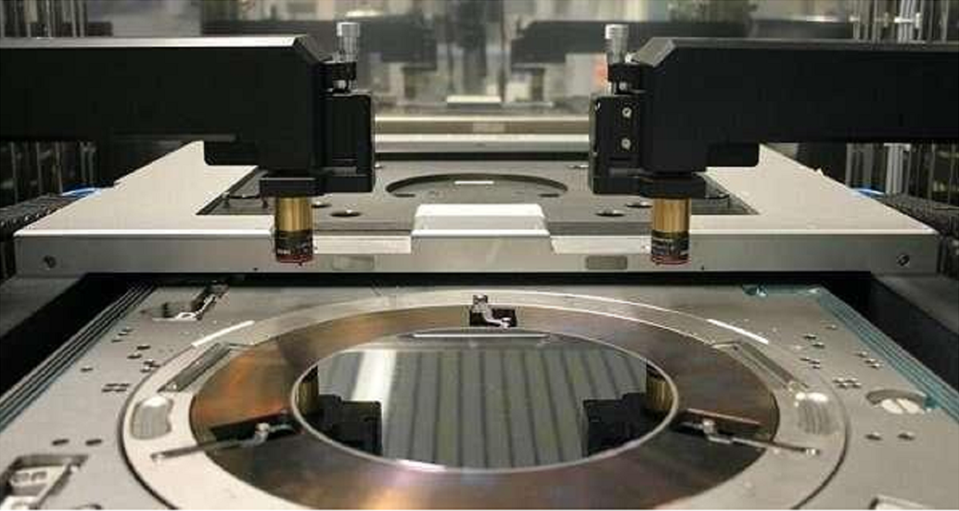
On the lithography floor, a half-degree drift during soft bake or hard bake isn’t a number on a spreadsheet. It shows up as linewidth variation, weak adhesion, and yield falling off after etch. We built our photoresist baking lamps to take that variability out of the thermal budget, so the process stays in spec—wafer after wafer. What matters under the hood We run NIR emitters with tight spectral control, heating the photoresist directly. That cuts substrate lag and gives you a faster, cleaner thermal response. Across the bake zone, wafer-level uniformity holds at ±0.1°C, and repeatability stays inside the same tolerance over thousands of cycles. The tool fits Class 1–100 cleanrooms, and we verify zero particle generation at the interface. It’s engineered for 24/7 fab life, with field units racking up 5,000+ hours while output stays stable. Why this matters in photoresist processing Soft bake is about stabilizing viscosity and driving out solvent; hard bake locks the film in before etch. With this lamp, you get consistent bake profiles across the entire lot, so defects and rework drop. The payoff shows up as tighter CD control, better film integrity, and predictable behavior through the etch stack. Thermal settling is fast with minimal overshoot, so you cut energy use. Long lamp life also means fewer spares and fewer maintenance windows. The practical details These lamps drop into standard coat/bake tracks, but you have to verify alignment with the wafer path and the bake chamber geometry during install. Expect a short commissioning run to set dwell time, intensity, and temperature mapping for your specific recipe. Stay within the rated voltage window—step outside it, and uniformity and emitter life drift fast.