
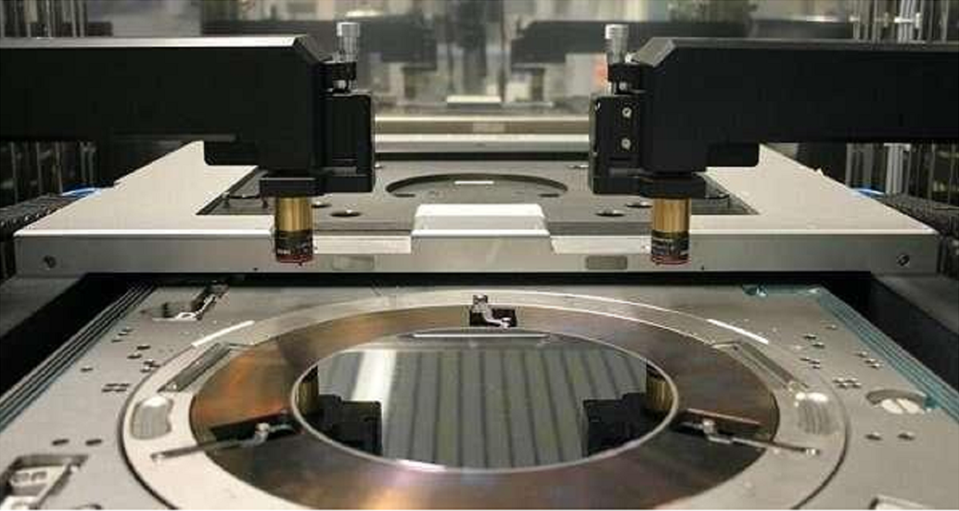
Stop the Dust: Why Gold-Coated IR Lamps Actually Matter
In a high-volume fab, a lamp burning out is a nightmare. It’s not just about swapping a part; it’s about the mess. When a standard quartz tube pops, it can spray tiny particles all over your wafers. One bad break and you’ve just trashed an entire batch. We figured out a way to stop that. The secret is a mix of gold coating and some smart housing.
The deal with the gold coating
We put a thin layer of gold on the quartz envelope to change how the light moves. Instead of letting heat bleed everywhere, the gold bounces that infrared energy straight back toward the wafer. This does two things. First, your wafers get hotter, faster. Second, it takes the pressure off the lamp itself. Because the heat is managed better, the quartz doesn’t get pushed to its breaking point during those brutal, heavy-duty cycles.
Keeping the junk out
The real goal is making sure nothing hits your wafers if a tube fails. We use a reinforced quartz jacket for that. If the inner filament gives up, the gold-coated envelope is built to hold its shape longer than plain glass would. We also use precision-fit end caps. They act like a seal, so no weird gases or debris can leak out of the heating chamber and ruin your work.
A quick heads-up on the trade-offs
Here is the catch: these lamps put out a massive amount of heat. While the gold coating makes them way more efficient, it also makes the lamp housing run hotter. You’ll want to double-check your cooling manifolds. If your airflow is too weak, that reflected heat can start messing with your surrounding sensors. We build these things to survive the 24/7 grind of a real fab. They just slot right in, keep your wafers spotless, and keep your line moving.