


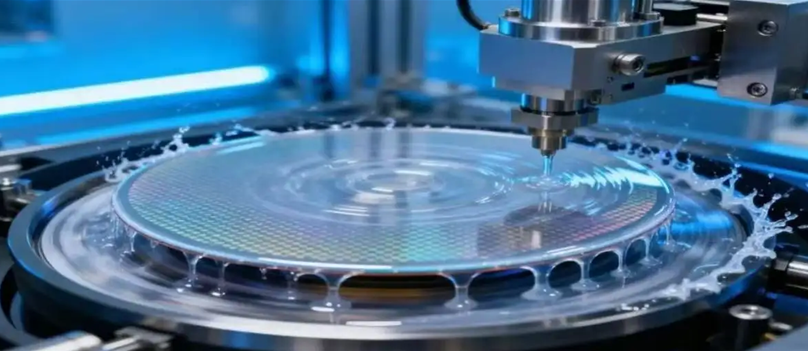
When you’re dealing with a Class 100 cleanroom, heating is a bit of a nightmare. It’s not just about getting things warm—it’s about keeping the air spotless. Most standard heaters are a disaster here; they shed tiny particles or leak chemicals that can wreck a whole batch of pharmaceuticals or ruin your wafers in an instant. That’s why we use high-purity synthetic quartz infrared lamps. They’re built specifically for those tricky rinse and drying stages where you can’t afford a single speck of dust. Keeping it clean We use fused silica for the lamp envelope. Why? Because it doesn’t leak metallic impurities. Standard glass tends to crack or flake when you ramp the temperature up and down quickly, but this quartz just handles it. We also ditched the adhesives and porous seals. Those things are basically dust magnets. Everything is sealed tight so nothing escapes into your airflow. Simple as that. Dealing with the wet stuff Rinse cycles are messy. You’ve got moisture and chemical vapors flying everywhere. To stop those from killing your equipment, we put specialized hermetic seals on the lead-in wires. It stops moisture from creeping into the filament chamber. Without those seals, your lamps would burn out way too fast. With them, you can mount these right in the wet zones and not worry about a short circuit ruining your day. The heat trade-off These lamps use direct radiative heat. It’s fast. Really fast. Since you’re heating the substrate directly instead of wasting time warming up the air, your ramp-up time drops significantly. But there’s a catch. High-intensity IR puts out a lot of heat at the ends of the lamp. You’ll need to make sure your housing is vented or water-cooled. If your mounting brackets aren’t built for that kind of heat, you’ll start seeing the support frame warp. Getting it installed We designed these to be drop-in replacements for your current cleanroom arrays. They have a small footprint and the wiring is straightforward. Plus, because you don’t need forced-air convection, you get rid of all that annoying turbulence. Your particle counts stay stable, and your parts get dry exactly when they’re supposed to.