
Why Vacuum IR Curing is the Way to Go for Lead-Free Tech
Let’s be honest: convection ovens are old school. They’re slow, they’re bulky, and they’re just not the right tool for where semiconductors are heading. That’s why we’ve shifted to vacuum chamber infrared (IR) heaters. It cuts out the need for nasty chemical solvents and slashes the carbon footprint of the whole curing cycle. Here is the secret: in a vacuum, there are no air molecules getting in the way to scatter the heat. The IR radiation just hits the substrate directly. No middleman.
The actual physics (without the textbook boredom)
When you use a standard oven, you spend a ton of energy just heating up the air. It’s a waste. In a vacuum, we rely on radiative heat transfer. We tune these heaters to hit the specific absorption bands of your photoresist or adhesive. By tweaking the wavelength, we make sure the heat gets deep into the material without accidentally scorching the surface. And it’s fast. Really fast. We’re talking about curing cycles that drop from hours down to minutes. That’s where the real energy savings happen—you aren’t just idling a massive, power-hungry oven for half a shift.
Keeping it green and lead-free
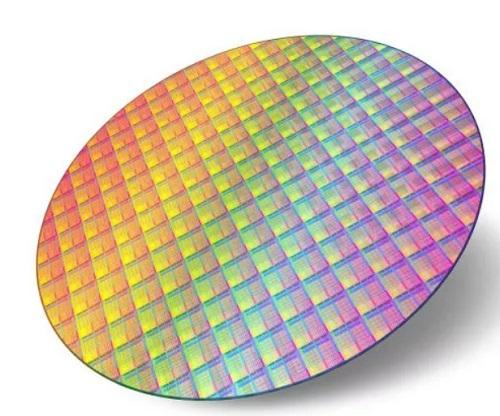
If you’re working with lead-free solders or green adhesives, you know they’re picky. One wrong move with the temperature and you’re looking at voiding or delamination. The problem with old ovens is “cold spots” caused by uneven airflow. Our IR arrays fix that by spreading heat evenly across the entire wafer. Plus, there are no combustion gases or pollutants floating around. It’s just a clean process.
The tricky part: Engineering trade-offs
Now, it’s not all magic. High-intensity IR in a vacuum creates a real headache: heat dissipation. While the substrate is soaking up the IR, the chamber walls and heater mounts can start to get way too hot. If you don’t get your cooling jackets or heat sinks exactly right, you’ll run into thermal drift. You have to find that sweet spot between the heater’s wattage and how fast your vacuum system can pull heat away from the parts that aren’t supposed to be hot. We designed these systems to be drop-in replacements for those old thermal tunnels. You get a much smaller footprint on your floor and zero emissions. It just makes sense.