Stop Heating Your Walls (and Start Heating Your Wafers)
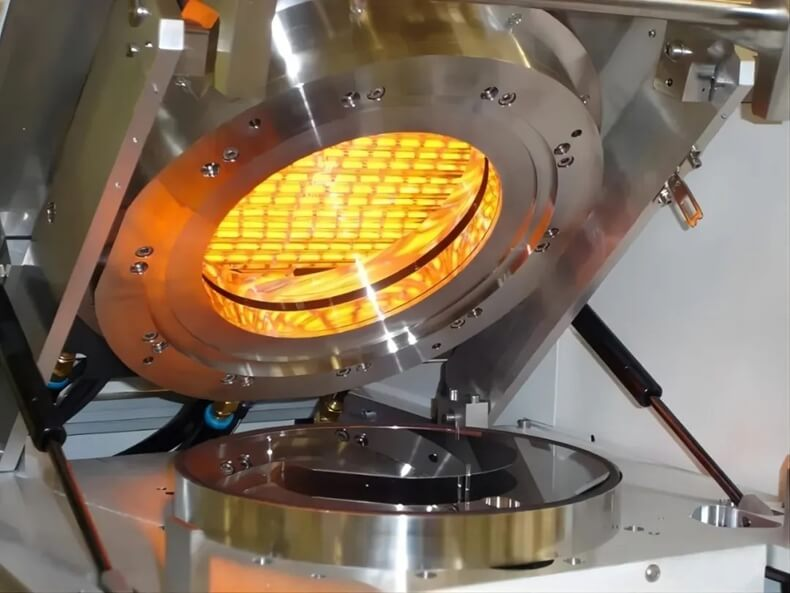
Most heating elements are messy. They just dump heat everywhere, which is a nightmare in a semiconductor chamber. You end up with “hot walls”—where the inner lining of your expensive gear gets baked. Not only does that put your tools at risk, but it’s a genuine safety hazard for whoever has to work on the machine. We figured out a better way: directional infrared (IR) heating lamps. How it actually works Think of resistive heaters like a space heater—they just warm up the air. IR lamps are different. They shoot electromagnetic radiation in a straight line. We tune these lamps to hit the wafer surface directly. By tweaking the wavelength and using the right reflectors, we keep the energy locked onto the substrate. The heat doesn’t bleed into the chamber walls. The result? Your equipment shell stays cool, and your wafer hits the target temperature way faster. The nuts and bolts We build these lamps to handle heavy heat loads. We use quartz envelopes and halogen filaments because they switch on and off instantly, giving you a level of temperature control that’s actually precise. You can just plug them into your existing PID loops and keep your tolerances tight. But look, there’s a catch. Because these lamps pack so much energy into such a small space, they’re picky. If your reflectors get dirty or shift a few millimeters out of alignment, you’ll get hot spots on the wafer. You’ve got to keep those optical paths spotless, or you’re going to ruin a batch. Better for the gear, better for the people Keeping the walls from scorching isn’t just about protecting the hardware. It’s about the person standing next to the machine. When the outer casing stays cool, you don’t have to worry about contact burns during maintenance. Plus, you stop wasting electricity on heating the air and the machine frame. You’re putting the energy exactly where it belongs: on the wafer.