Keeping Things Safe When You Put Heat in the Shower
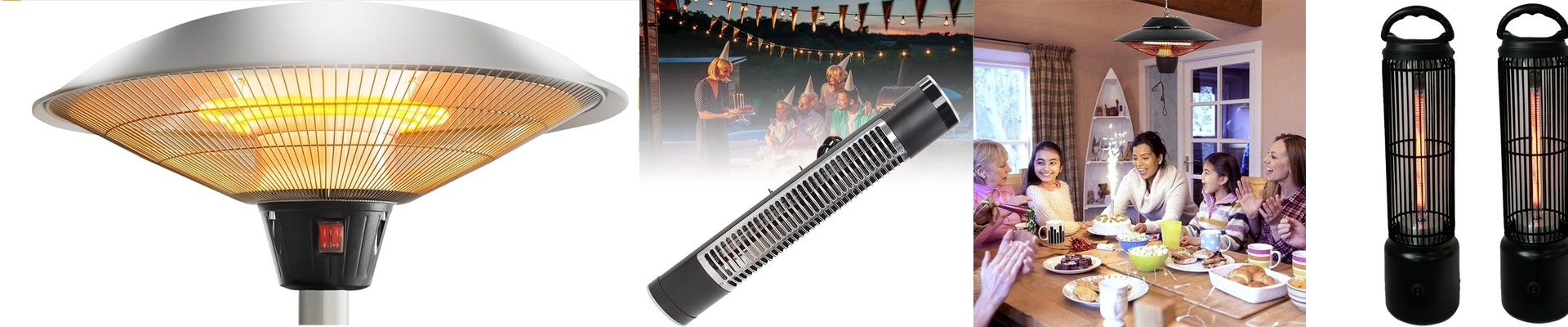
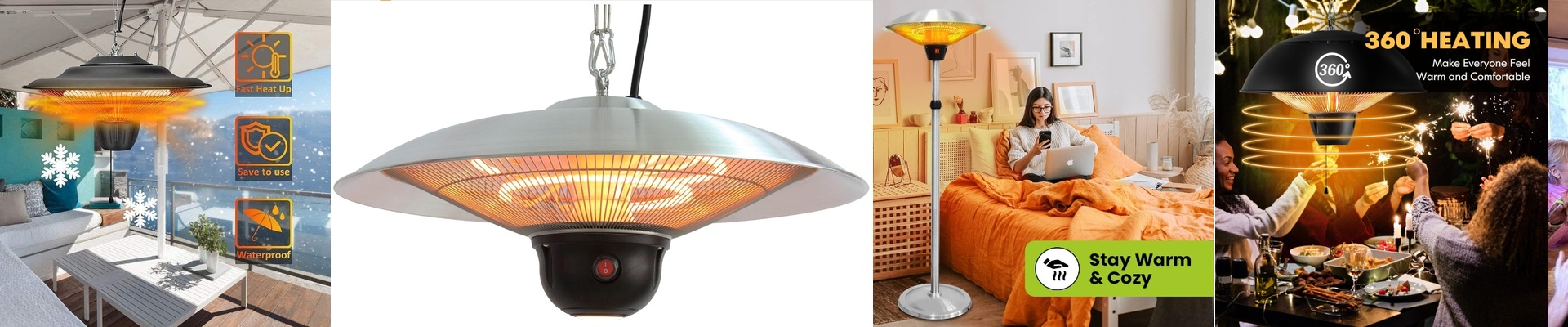
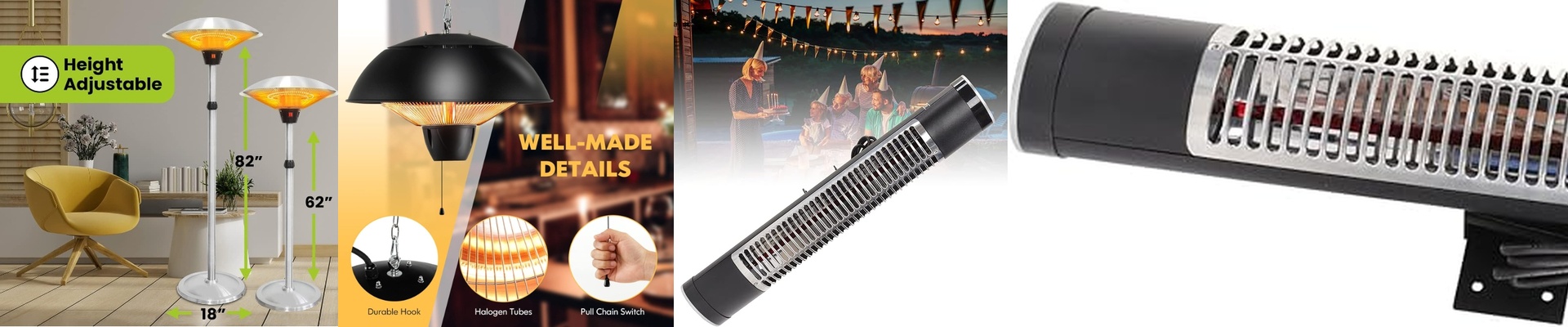
Putting an infrared heater in a shower isn’t as simple as just slapping a waterproof cover on it. You’ve got a wild mix of extreme heat and direct water spray. Here is the danger: if you use a basic quartz tube and a cold drop of water hits it while it’s glowing hot, that tube can crack. If water hits the live filament? You’re looking at a short circuit or a loud pop. Not exactly the vibe you want in a bathroom.
Why the glass matters
That’s why we use explosion-proof quartz. Standard glass hates rapid temperature swings. It shatters. But this specific engineered glass can take the hit when cold water splashes onto a surface that’s hundreds of degrees. It’s the last line of defense between the high-voltage guts of the heater and the water. Without it, the risk of the tube bursting during a shower is just too high.
Dealing with the damp
You’ll see an IPX4 rating on these. In plain English, that means the unit can handle splashes coming from any direction. We’ve shaped the chassis to push water away from the sockets and electrical terminals. We do this to stop “tracking”—which is basically when moisture creates a little bridge for electricity to travel where it shouldn’t. If that happens, your components burn out way faster than they should.
The trade-offs
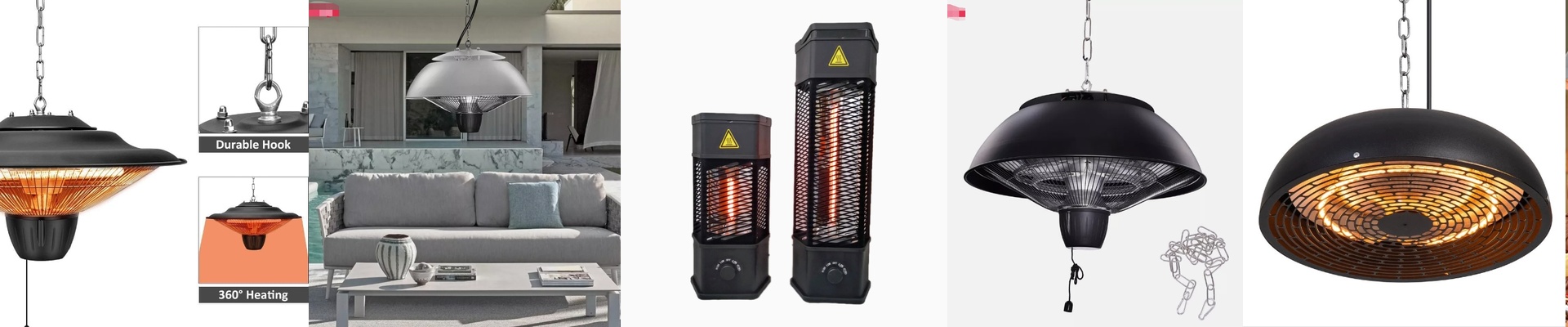
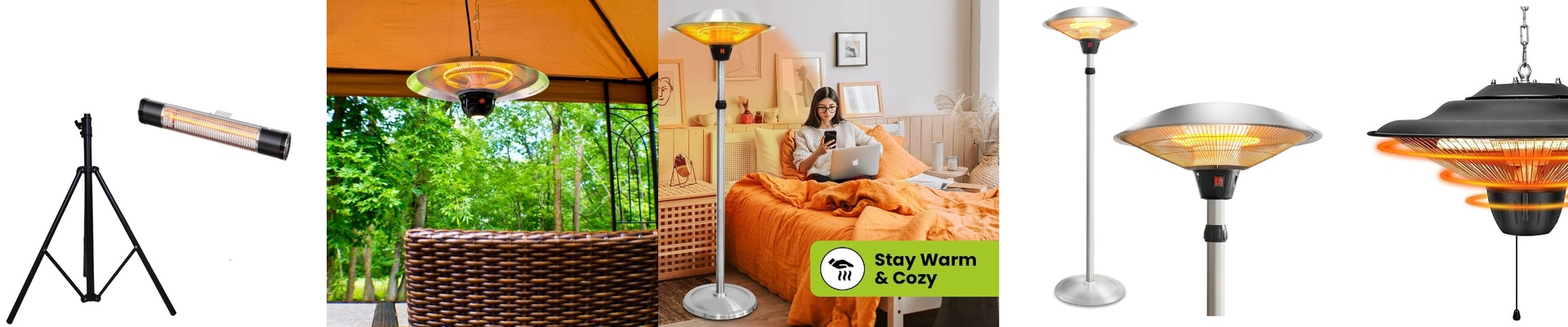
The best part about these heaters is the speed. It’s radiant heat, so it doesn’t waste time warming up the air; it hits you instantly. It feels great. But there’s a catch. Because the heat is so concentrated, you have to be careful about where you mount it. If it’s too close to cheap plastic panels or low-grade sealants, they’ll start to warp. We also use reinforced seals to keep steam from sneaking into the wiring. Once steam gets inside, corrosion starts, and that’s a slow death for the electronics. Plus, you’ll need a bit of ventilation so the unit doesn’t accidentally cook its own internal housing while fighting the humidity.