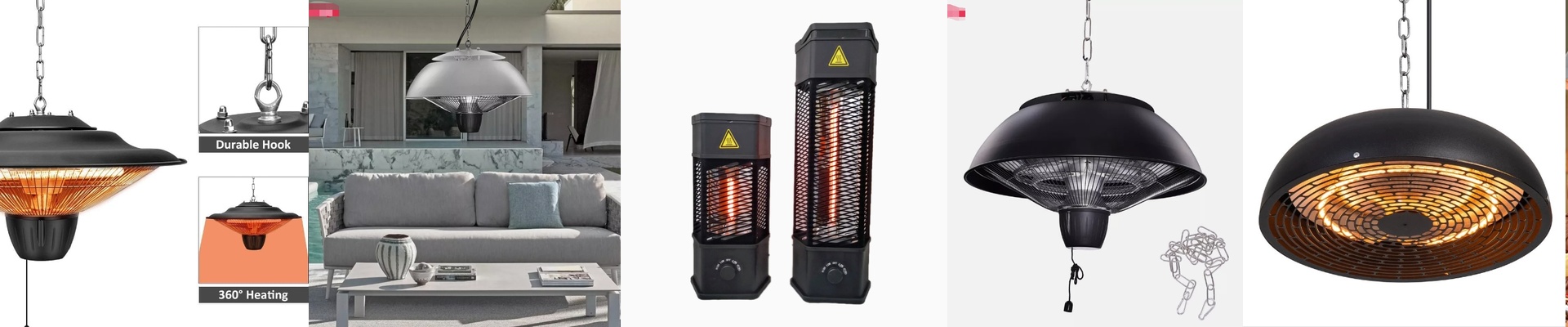

Why we’re ditching old heat lamps for IP66 infrared heaters
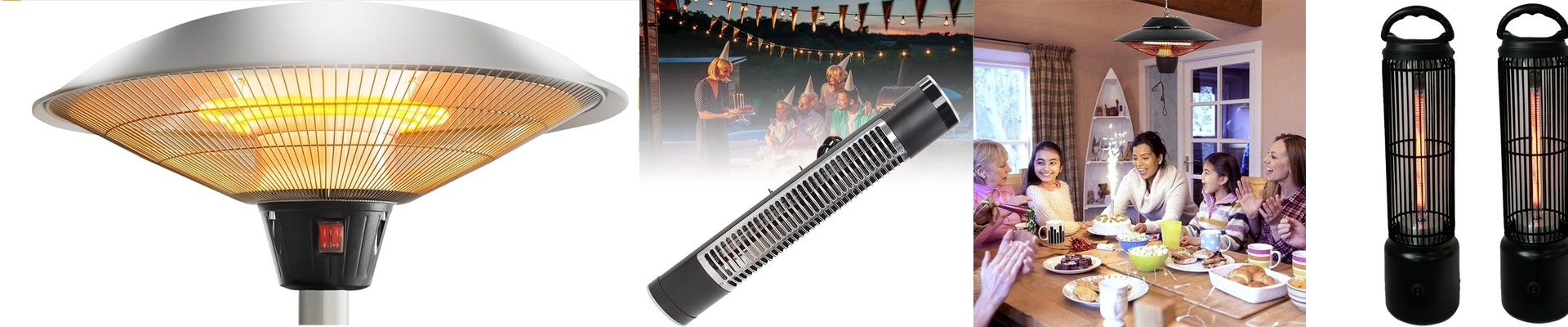
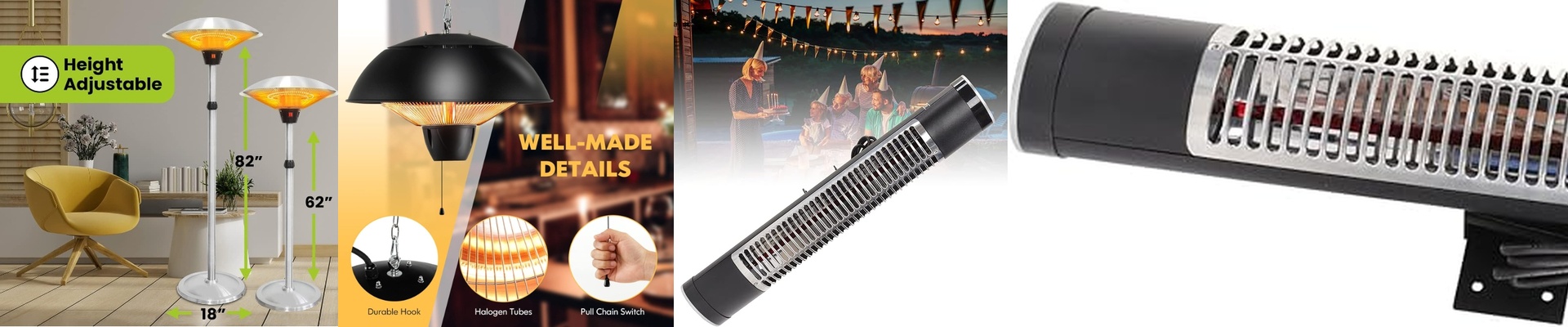
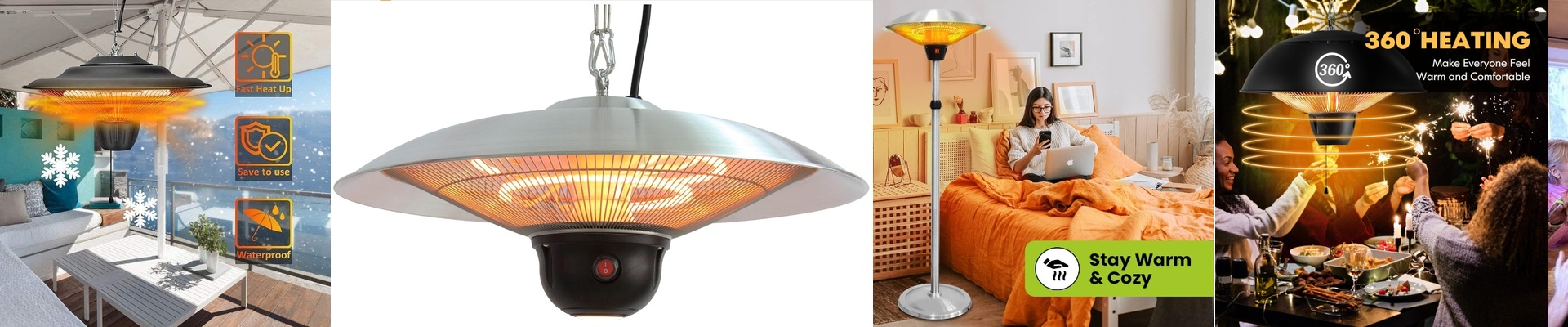
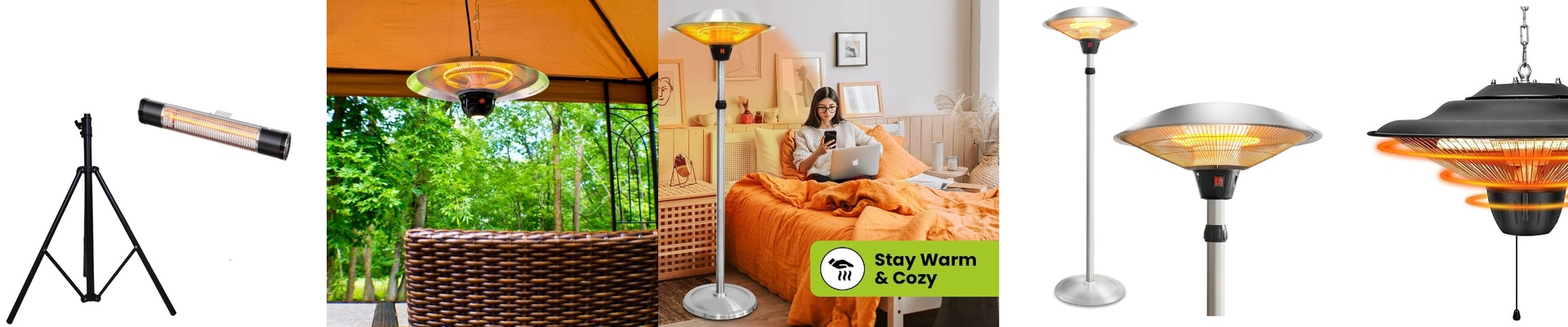
Let’s be honest: most bathroom heat lamps are a joke. You install them, they work for a while, and then—boom. A bit of steam or a stray splash of water gets inside, the filaments corrode, and the whole thing shorts out. It’s frustrating and, frankly, a waste of money. That’s why we’ve started moving toward IP66-rated infrared heaters. They actually survive the environment they’re built for. What does “IP66” actually mean for you? In plain English? It means the thing is sealed tight. Dust can’t get in, and powerful jets of water won’t penetrate the casing. We use heavy-duty gaskets and casings that don’t rust. It stops that slow, invisible “burn out” you get with cheaper units where humidity just eats away at the insulation until it quits. It just stays dry inside. Simple as that. The magic of infrared (and why it feels better) Traditional lamps try to heat the air. But if you have a drafty bathroom or a window cracked open, that heat just vanishes. Infrared is different. It doesn’t care about the air temperature. It sends out warmth that hits your skin and the surfaces around you directly. It’s that instant, cozy feeling the second you flip the switch. No more standing around shivering while you wait for the room to warm up. We use short-wave elements because they pack a lot of punch into a small box. Just a heads-up: these things gethot. Really hot. Make sure you’ve got enough clearance between the heater and your ceiling, or you might end up with a scorched spot on your paint. Getting it installed and keeping it running The good news is that these are basically drop-in replacements for your old lamps. They hook up to your existing circuits, though it’s worth double-checking your breaker to make sure it can handle the wattage. Now, here is the catch: moisture is still the enemy. Even with a tough IP66 shell, I always tell people to check the cable glands once a year. If a seal loosens, steam will find a way in. Once hard water minerals or salt get onto the circuitry, the clock starts ticking on the unit’s life. Keep the wiring tight, follow the specs, and you won’t have to worry about overheating your terminals. Do that, and you’ve got a heater that actually lasts.