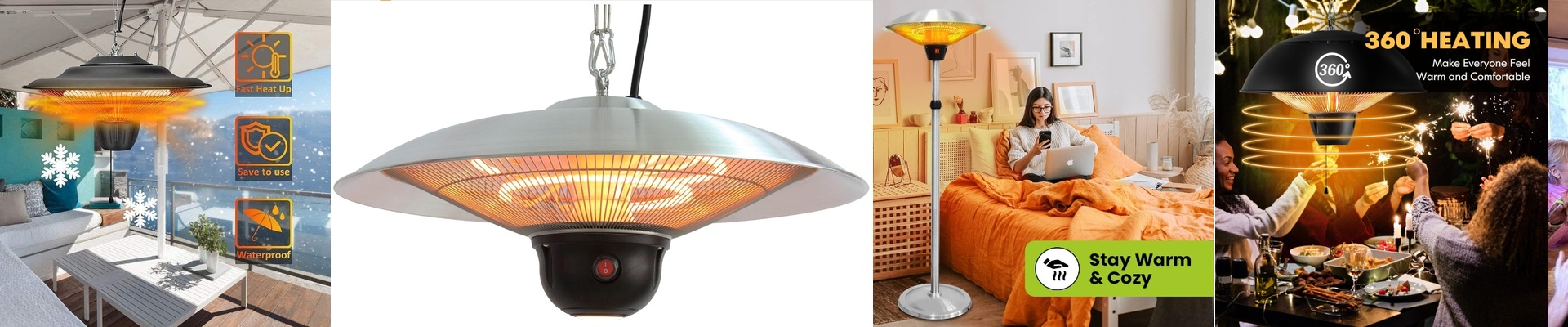
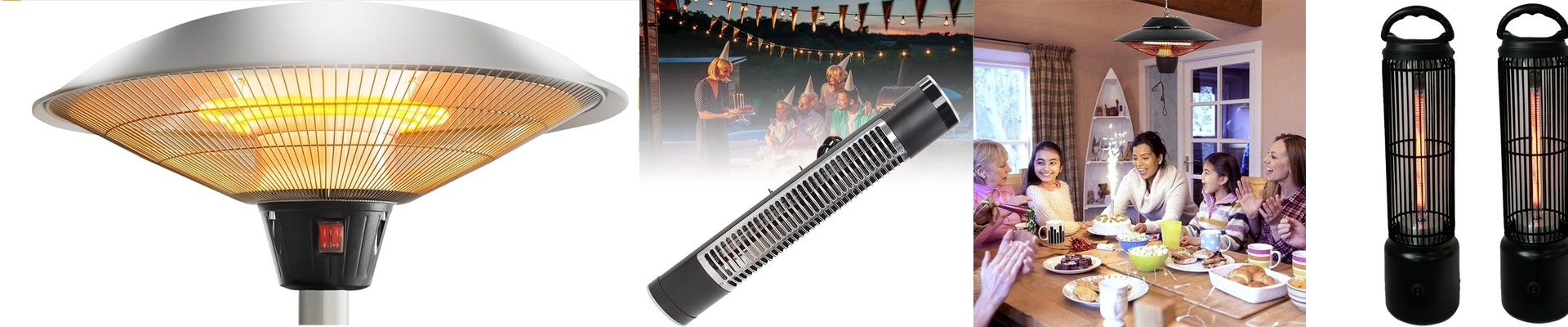
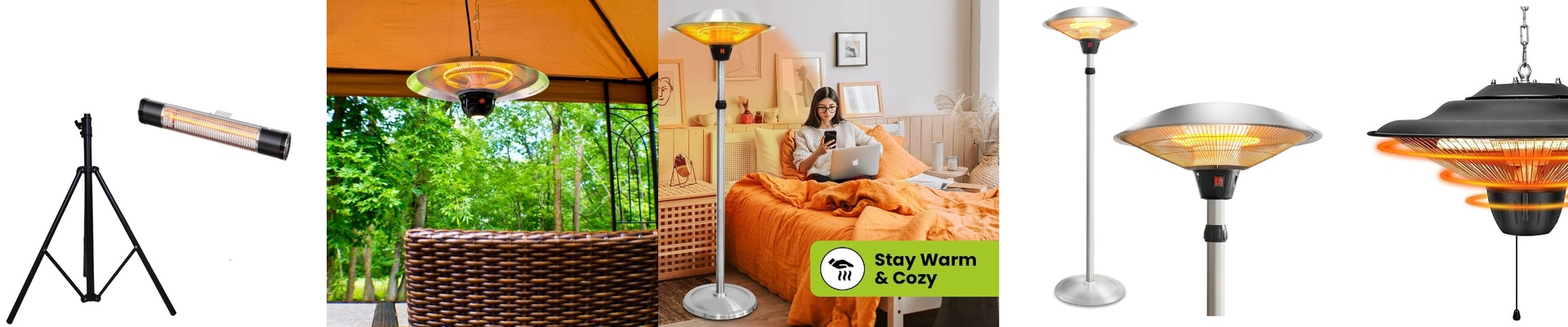
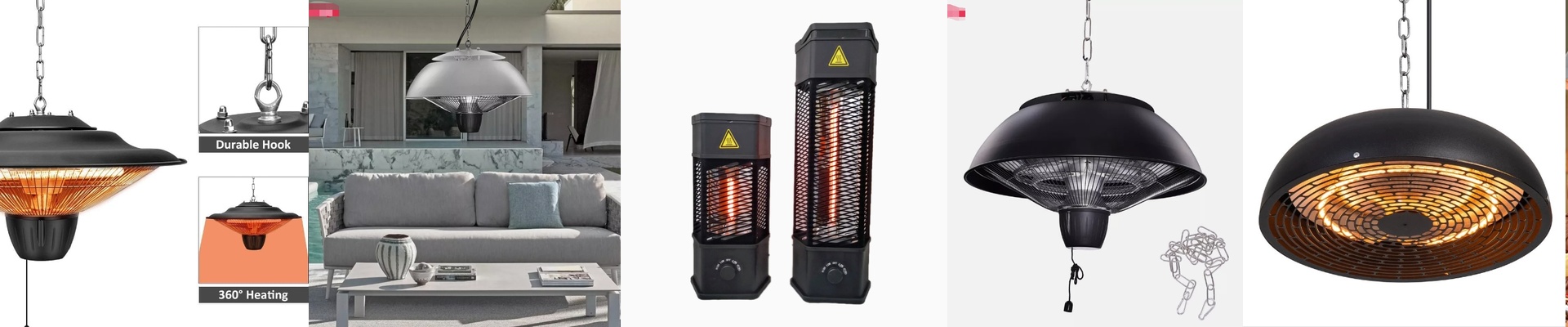
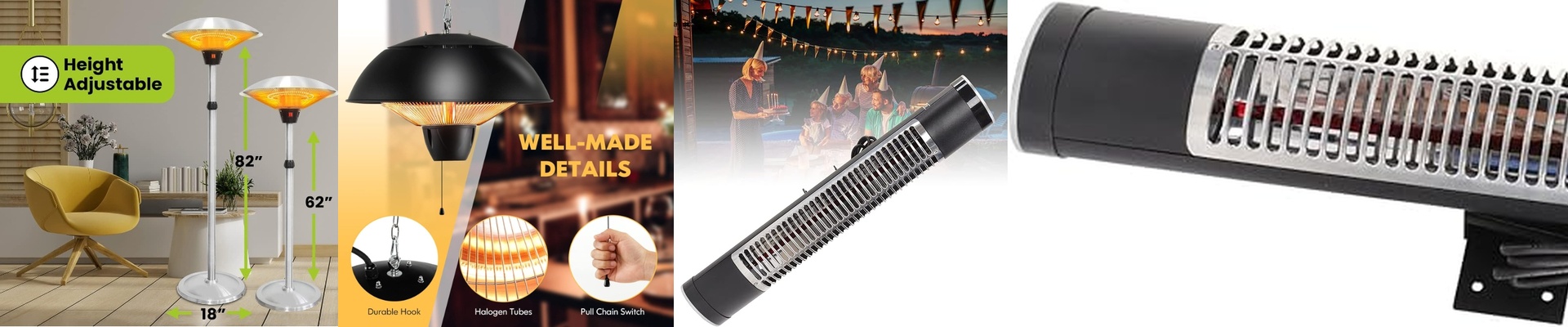
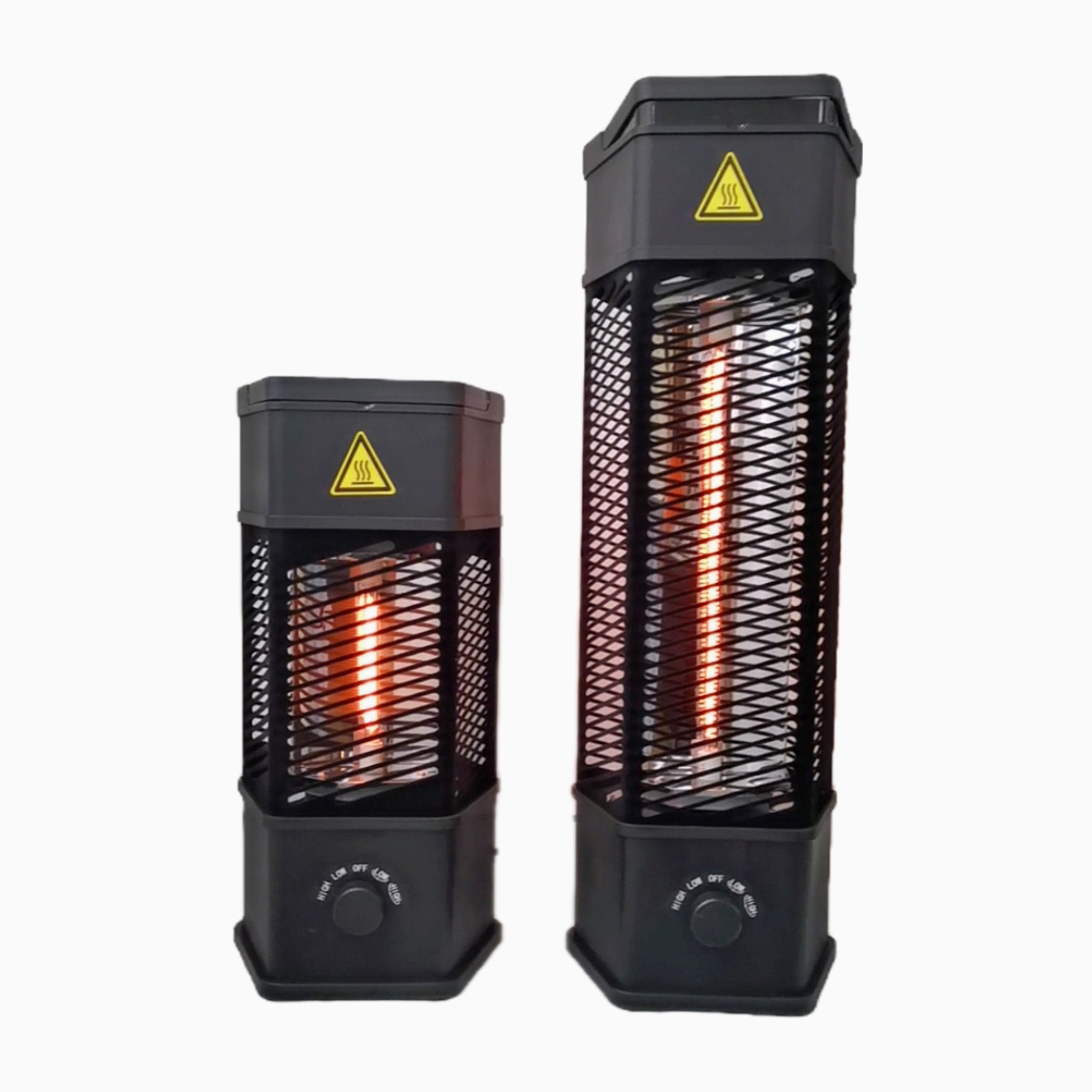
How to Pick the Right Infrared Heater for Your Bathroom
When you’re looking for a waterproof infrared lamp, your first instinct might be to just grab the one with the highest number on the box. But here’s the thing: more power isn’t always better. If you go overboard, you’re just throwing money away on your electric bill and risking a meltdown of the fixture. On the flip side, if you go too low, you’ll be standing there shivering while the heater struggles to do its job. It’s all about finding that “just right” sweet spot for the size of your room.
Finding Your Number
To keep things simple, we usually look at bathrooms in three buckets. If you’ve got a tiny powder room (under 4m²), something in the400W to 600Wrange is plenty. For a standard medium-sized bathroom (4m² to 8m²), you’ll probably want800W to 1200W. Now, if you’re dealing with a massive master bath or a big open wet room over 10m², you’ll need1500W or moreto actually feel the warmth. One quick tip: remember that infrared doesn’t really heat the air—it heats you. It’s like sunlight hitting your skin. Because of that, where you put the lamp matters just as much as the wattage. If there’s a wall or a cabinet in the way, you won’t feel a thing. You need a clear line of sight.
Dealing with Steam and Heat
Bathrooms are tough on electronics. Between the steam and the splashes, things can go south quickly. That’s why we use quartz glass and sealed connectors. It keeps the moisture away from the filaments so your lamps don’t burn out after a few months. But be careful with the housing. High-wattage lamps gethot. Really hot. If you try to shove a 1200W lamp into a fixture designed for 600W, you’re asking for trouble. You could warp the plastic or even melt the wiring. Before you wire anything in, just double-check that the fixture is rated for the lamp you bought. It’s a five-second check that saves a lot of headaches.
Speed vs. Your Wallet
Higher wattage means you feel the heat almost instantly. It’s great, but it draws more power. For most homes, the best move is to go with a mid-range wattage and pair it with a timer or a thermostat. That way, you get that cozy feeling the moment you step out of the shower, but the heater shuts off before it starts eating into your bank account.