Stop Fighting Your Infrared Heaters
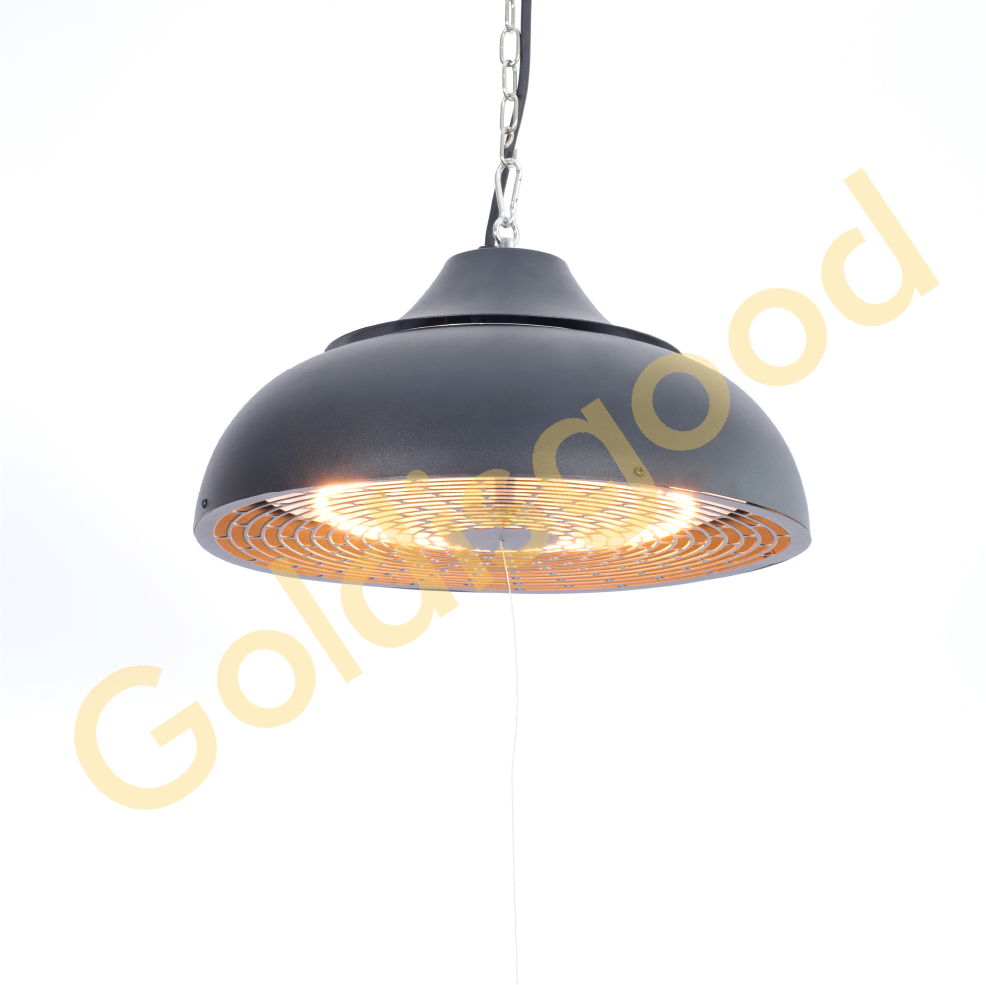
Most infrared heaters are the kind of thing you install once and then completely forget about. Until a tube burns out. Then, five years into production, you’re suddenly staring at a nightmare. You’re ripping apart panels and wrestling with old wiring while your production line sits dead. It’s a mess. We got tired of that, so we built our IP65 units to be modular.
Think of it as a “Plug and Play” Setup
Here’s the thing: we treat the heating element like a consumable—kind of like a lightbulb—rather than some permanent part of the machine. Because the chassis is modular, you don’t have to tear the whole thing down just to swap a lamp. Plus, that IP65 rating keeps the dust and gunk out of your electrical junctions. Your contacts stay clean, and the environment stays sealed. It just works.
A Note on the Heat
We use high-wattage shortwave quartz tubes. They hit the workpiece with thermal energy instantly. But, a heads-up: that kind of heat density puts a real load on your power supply. Just make sure your controllers can handle the amperage of the replacement tubes. You don’t want to be tripping breakers every time you do a cold start.
No Soldering, No Stress
We ditched the complex terminal blocks and the soldering. Nobody wants to do that in the middle of a factory floor. Instead, we use standardized connectors. You unplug the old module, drop in the new one, and you’re back in business. Your maintenance team doesn’t need to be a group of electrical engineers to get the line moving again. It’s that simple.
The Honest Trade-off
Now, the IP65 sealing does make the heater a bit bulkier. And since there’s a protective housing, you lose a tiny bit of direct radiation efficiency compared to an open-frame heater. But let’s be real. You’re trading a 2% dip in efficiency for a90% drop in downtime. That’s a trade I’d make every single time. Stop fighting with wires and just swap the module.