Switching to IR Curing in Your Fab
When you’re upgrading clean room gear, you’re usually juggling two things: meeting those “green” lead-free standards and making sure your throughput doesn’t tank. Most people start with convection ovens. But let’s be honest—heating up a massive box of air is slow. It’s a waste of electricity and a waste of time. That’s why we lean toward infrared (IR) curing. Instead of warming the room, it hits the substrate directly. It’s just faster.
The Heat Problem
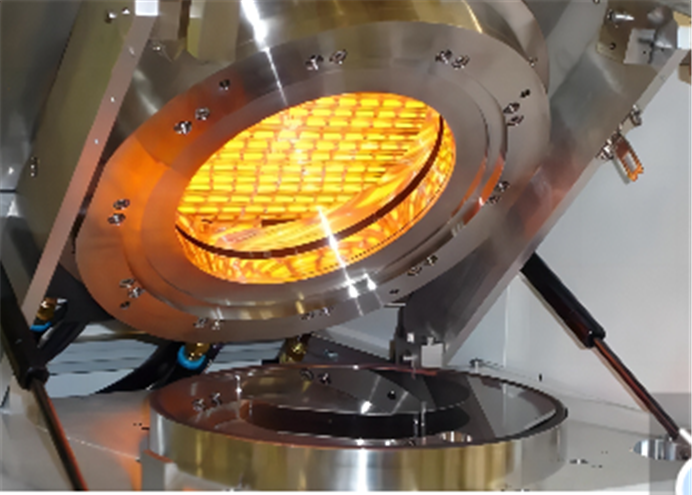
Lead-free soldering is a different beast. You need much higher peak temperatures than you did with the old leaded stuff. IR lamps give you that intense heat density almost instantly. Since it’s radiative transfer, you aren’t blowing contaminated air around the room or dealing with those annoying chemical catalysts that off-gas. It’s a cleaner way to keep the regulators happy.
Saving Your Floor Space
Floor space in a fab is basically gold. You can’t afford to waste it. The great thing about IR systems is how small they are. You can just tuck these lamps right into your existing conveyor line. We usually go with short-wave IR here. Why? Because it sinks deeper into the coating or solder paste. It stops “skinning”—that frustrating glitch where the top dries too fast and traps solvents underneath. But a quick heads-up: keep an eye on your power. High-wattage IR arrays pull a lot of current. If you’re ripping out old heaters, check your electrical panels first. You might need some beefier breakers to handle that initial surge when the lamps kick on.
The Real-World Trade-offs
Now, these aren’t “set it and forget it” tools. Quartz tubes can get dirty if your filtration slips. Even a little bit of dust creates a hot spot on the lamp, and that’s a one-way ticket to a premature burnout. You’ve got to stay on top of a cleaning schedule to keep your output steady. Still, the payoff is huge. You’re moving from curing times that took minutes down to just a few seconds. Plus, your energy bill takes a hit because you’re only heating the product, not the entire zip code.