Stopping the Winter Slump in Open-Air Dining
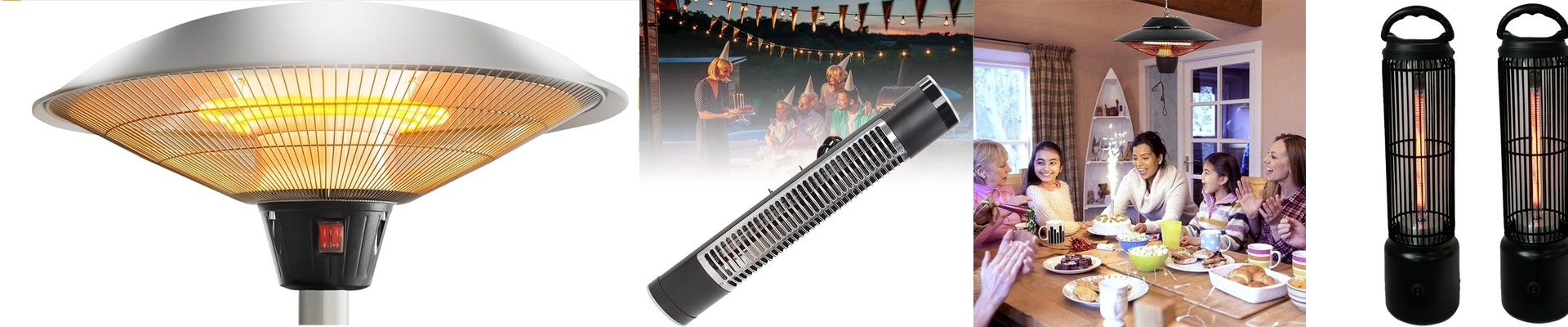
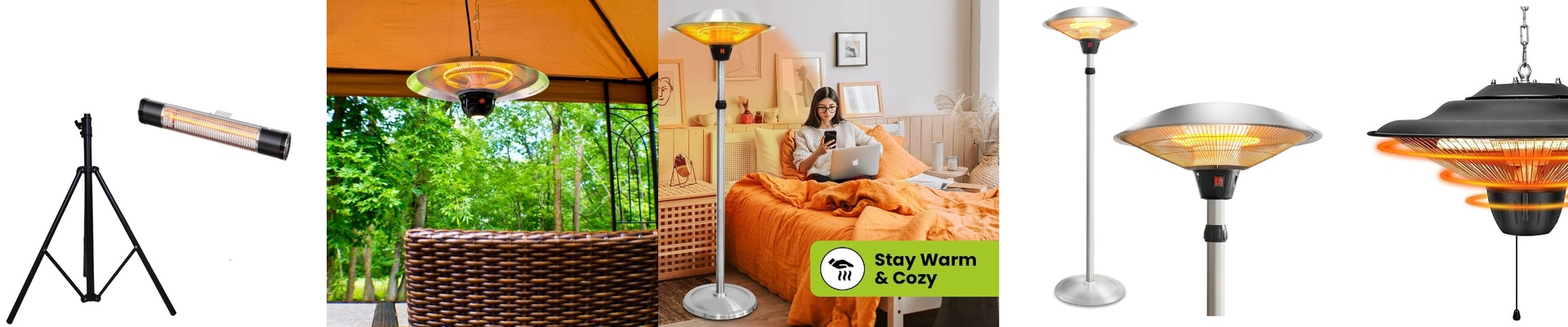
If you run an outdoor patio, you know the drill. Winter hits, the wind kicks up, and suddenly your outdoor seating is a ghost town. Most people try to fix this with standard convection heaters, but here’s the problem: those things just heat the air. And when a cold breeze blows through? That heat is gone in seconds. We do things differently. We use short-wave infrared emitters. Instead of trying to fight the wind by warming the air, these units beam heat directly onto your guests. It’s like sitting in the sun on a crisp October day. The wind can howl all it wants, but your customers stay warm because the heat is hitting them, not the atmosphere.
Dealing with High Ceilings
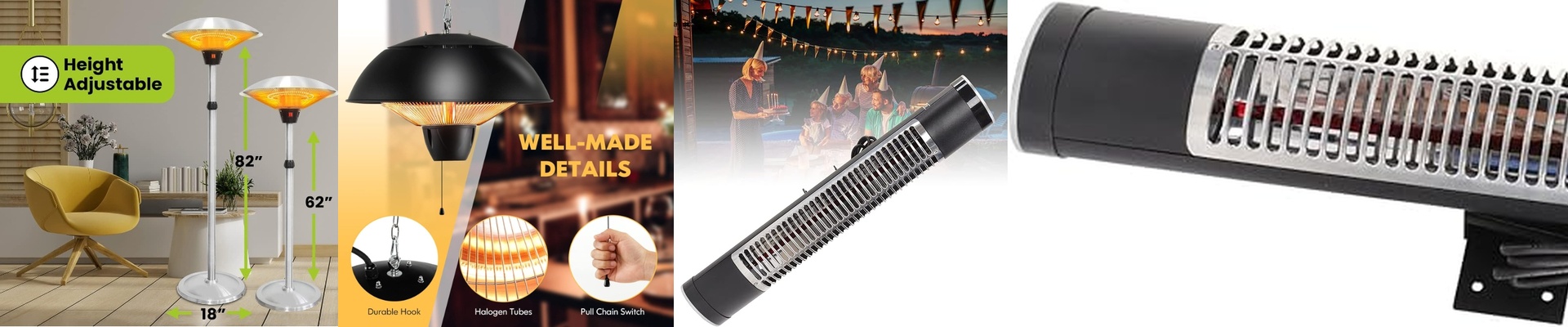
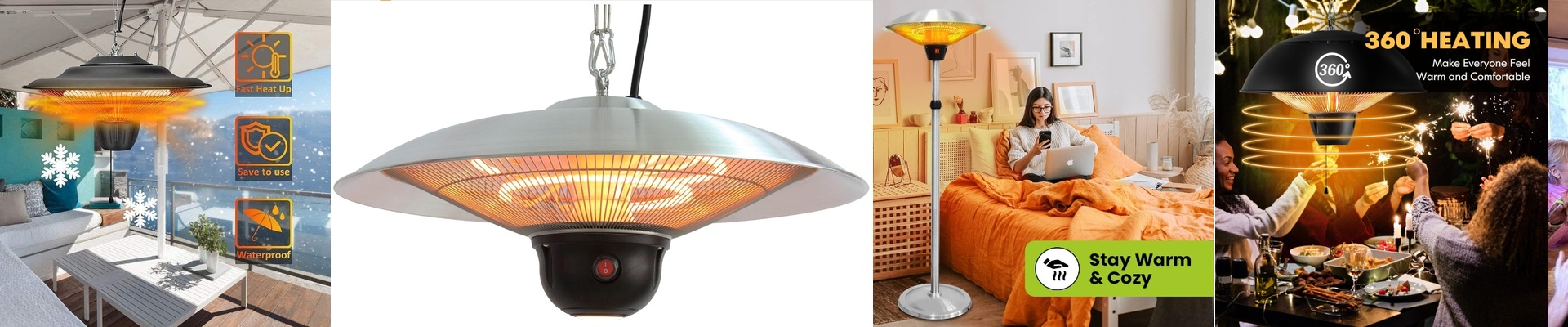
Now, if your heaters are mounted way up high—say, 4 to 6 meters—you’ve got a challenge. Heat naturally fades as it travels. If you use a weak lamp, the warmth just vanishes before it ever reaches the guest’s shoulders. That’s why we go with high-wattage short-wave lamps. They’re punchy. They cut right through the air and the wind without losing their steam, ensuring that the warmth actually makes it down to the table.
The Nitty-Gritty Hardware
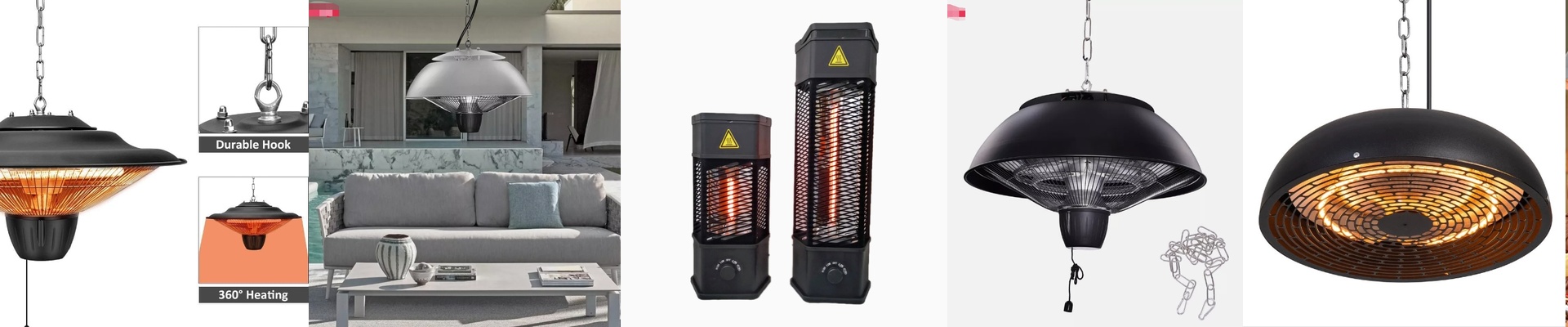
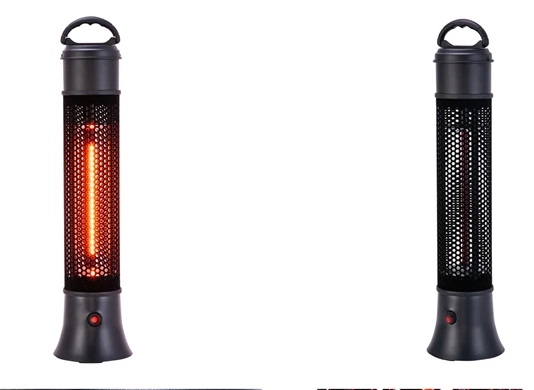
To make this work, we use quartz tubes coated in gold or carbon. This keeps the heat focused downward so you aren’t accidentally warming up your ceiling. A couple of practical tips: these are power-hungry. You’ll usually need 220V-240V circuits, so make sure your breaker panel can handle the load before you flip the switch. We also use heavy-duty reflectors to squeeze those IR rays into a tight cone, putting the heat exactly where it belongs.
More Warmth, More Money
It’s simple: cold people leave. When a customer starts shivering, they stop looking at the dessert menu and start looking for their coat. By keeping the seating area cozy, people linger. They order that extra round of drinks or a second appetizer. It turns a “quick bite” into a full evening. Now, full disclosure—these high-power lamps don’t last forever. You’ll probably need to swap the tubes every few seasons. But honestly? The cost of a few replacement tubes is pennies compared to the money you make by filling every table during a December cold snap. Just a pro tip: wire them into zoned controllers. That way, you aren’t paying to heat empty tables in the corner when you only have one group in the center.