Keeping Your IR Heaters Safe in Chemical Cleaning
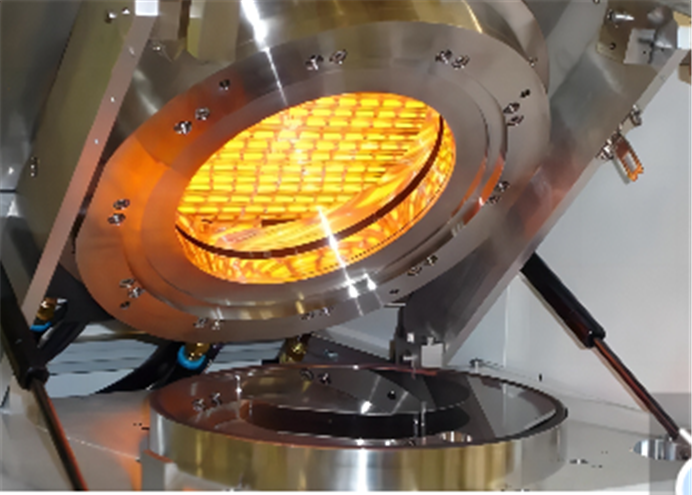
Let’s be honest: running infrared lamps inside semiconductor cleaning baths is a bit like playing with fire. You’re dealing with vapors that love to explode. One tiny spark or a leaky seal, and you’ve got a disaster on your hands. We don’t take those odds. Instead of using open-element designs, we wrap everything in a hermetic seal. The secret is in the sleeve. We tuck the heating element and the thermocouple inside a high-purity quartz or ceramic sleeve, then lock it down with a chemical-resistant flange. Think of it as a suit of armor. It keeps the live electricity far away from those nasty caustic agents and stops corrosive fumes from eating your wiring for breakfast. If a seal ever does go, the lamp usually burns out fast. To stop that from happening, we use vacuum-tight sealing so the inside stays completely inert. Getting the temperature right. In the semiconductor world, “close enough” isn’t good enough. You need precision. To get that, we build the thermocouple right into the heater assembly. This kills the thermal lag. Because the sensor is sitting right next to the filament, you see exactly what’s happening with the heat flux the moment it happens. We usually go with K-type or J-type sensors depending on how hot you’re running. But here’s the important part: we shield the wiring. High-wattage lamps can create a lot of electrical noise (EMI), and we don’t want that messing with your PID controller. The trade-offs. Now, this kind of protection comes with a catch. All that shielding adds mass. You’ll notice it takes a bit longer to ramp up to temperature than it would with a bare lamp. Just make sure your power supply is beefy enough to handle that initial lag. Also, keep an eye on those flange gaskets. Even the toughest seals eventually get tired after thousands of hours in aggressive solvents. **Pro tip:**If the quartz starts looking cloudy, don’t wait. Swap the unit out before the seal gives up.