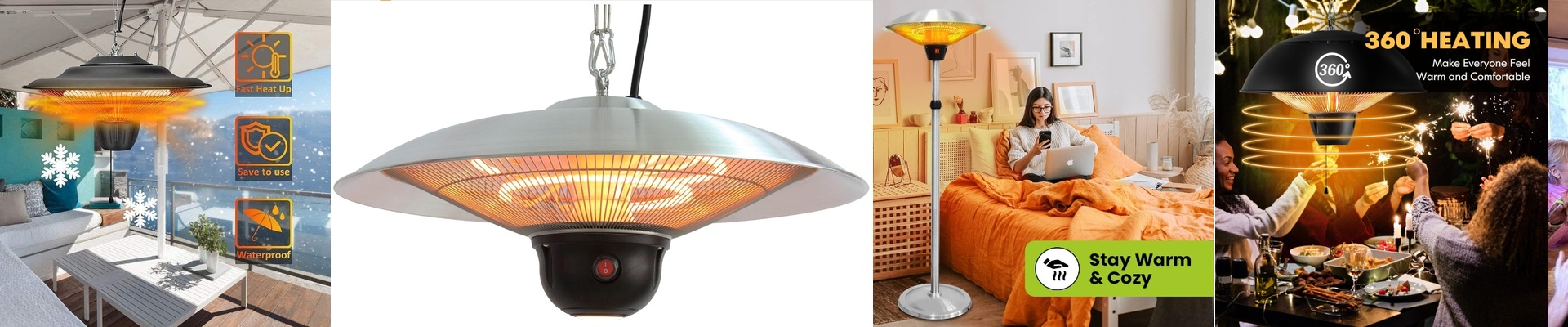

Getting Your Bathroom Heat Right Without Wasting Power
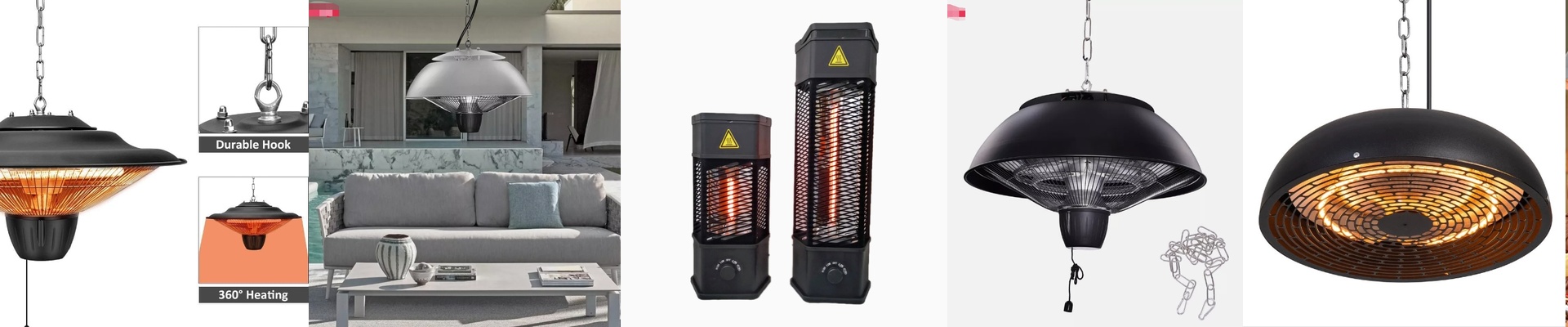
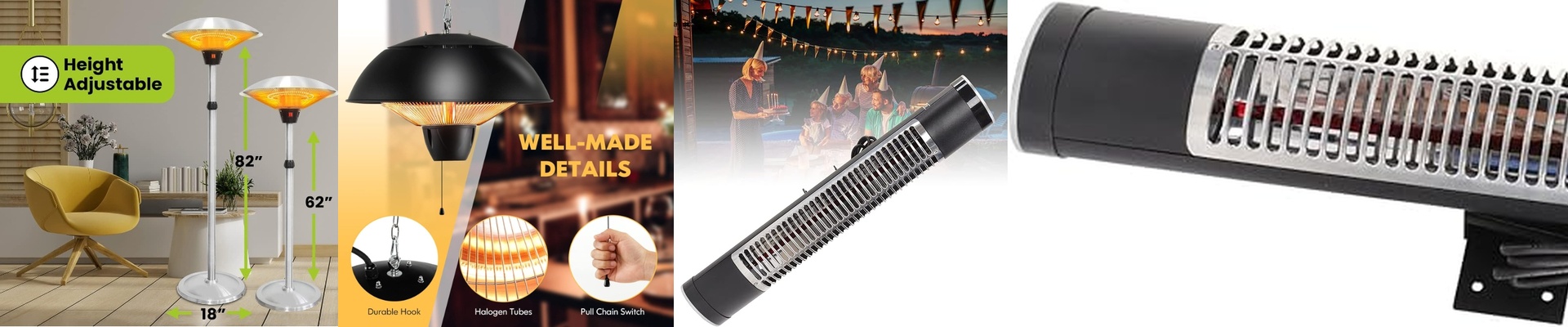
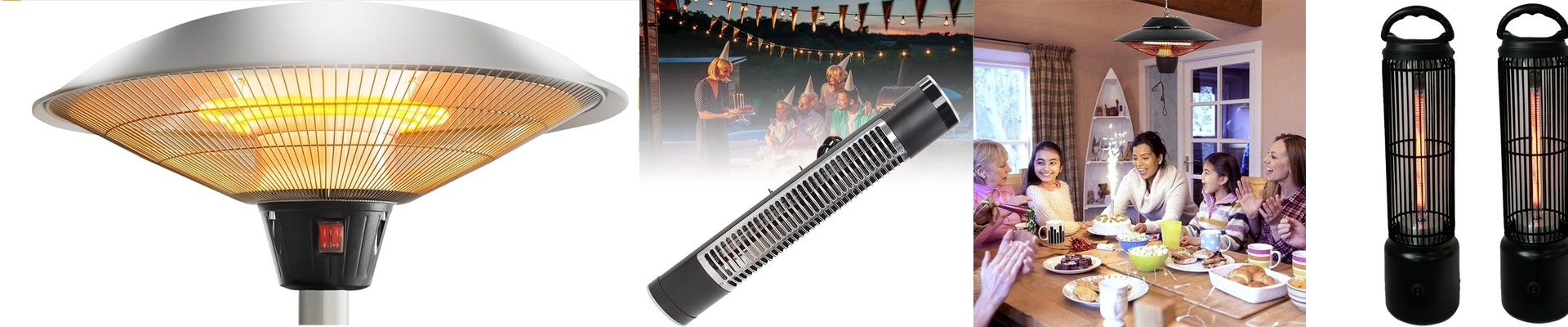
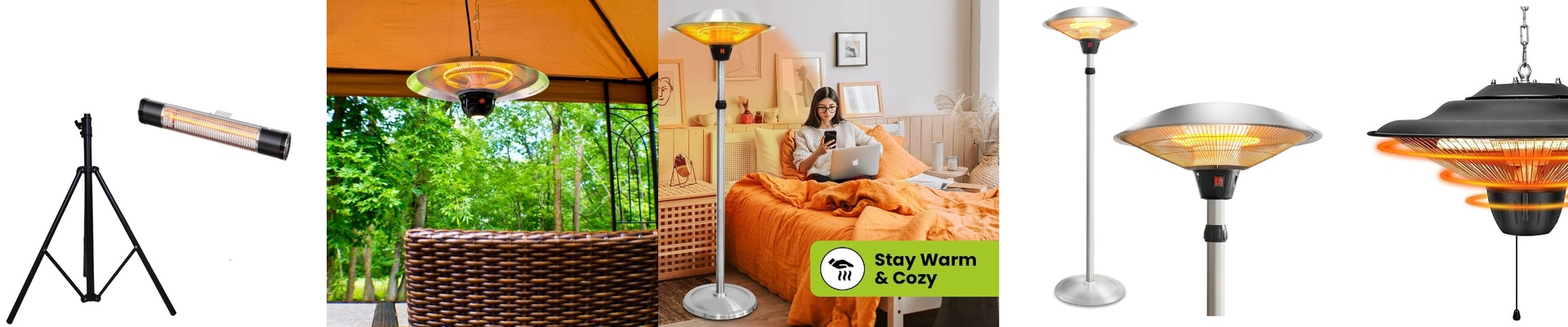
If you’re putting heating into a bathroom, you already know you need IP55 protection. That’s just the basics—it keeps the dust out and makes sure a stray spray of water doesn’t blow a fuse. But the part people usually mess up? The wattage. If you get it wrong, you’re either shivering in a damp room or paying for electricity you aren’t even feeling. Picking the right power It really comes down to how much space you’re dealing with. For those tiny powder rooms—you know, the ones barely big enough to turn around in—a 250W to 400W shortwave lamp is plenty. It hits your skin instantly. You don’t have to wait for the air to warm up; you just feel it the second you flip the switch. Medium-sized bathrooms need a bit more punch, usually between 600W and 800W. If you go too low here, the unit will just run at full blast forever, struggling to get the room warm, and your electric bill will show it. Then you’ve got the big master baths. For those, you’re looking at 1000W or more. My advice? Instead of one massive heater, spread a few smaller units across the ceiling. It stops those annoying cold spots where you’re warm in one spot but freezing the moment you step two feet to the left. The catch with waterproofing Here’s the thing about those IP55 seals: they’re great for safety, but they trap heat around the socket. If you try to jam a 1200W lamp into a housing that was only built for 600W, you’re asking for trouble. You could melt the internal wiring or trigger the thermal cutout. Just double-check the housing’s rating before you decide to “beef up” the wattage. Setting it up for success Put these on their own dedicated circuit with a moisture-resistant switch. Simple, but it saves you a headache later. As for where to put them, aim for about 2.1 to 2.4 meters from the floor. If they’re too high, the heat vanishes before it reaches you. Too low, and you’ve basically created a heat lamp for your head while your feet stay ice cold. The best part about shortwave IR is that it doesn’t rely on moving air around. You aren’t paying to heat up damp walls or ceiling tiles—just you.