
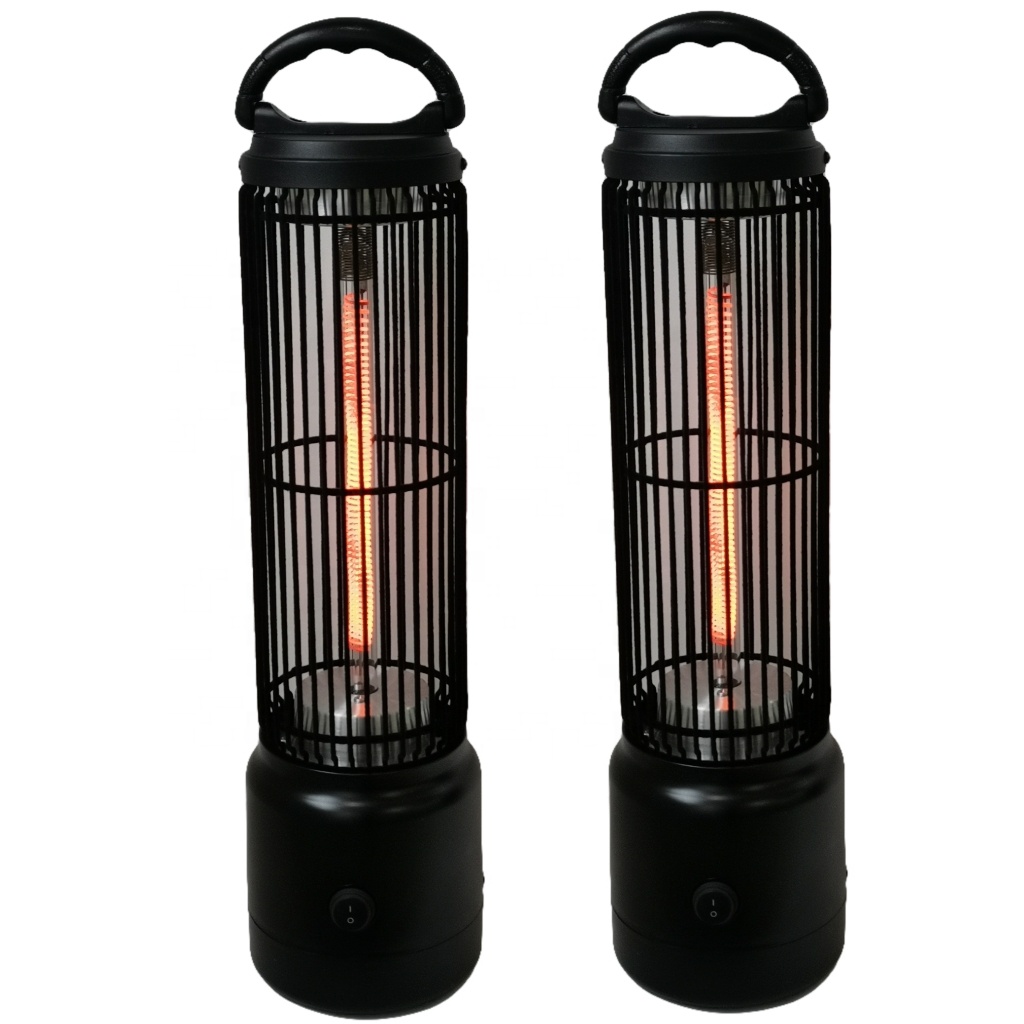
Stop Scrubbing Your Bathroom: How Infrared Lamps Actually Fight Mold
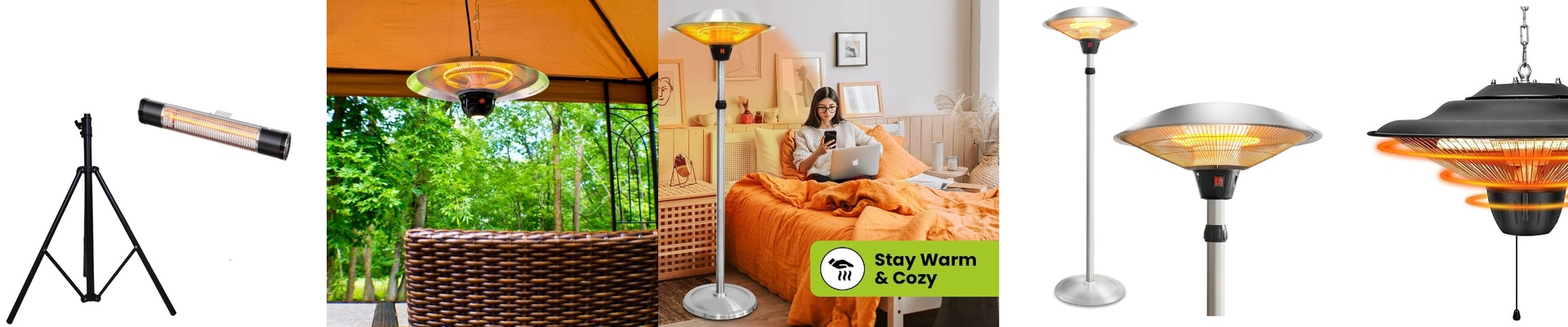
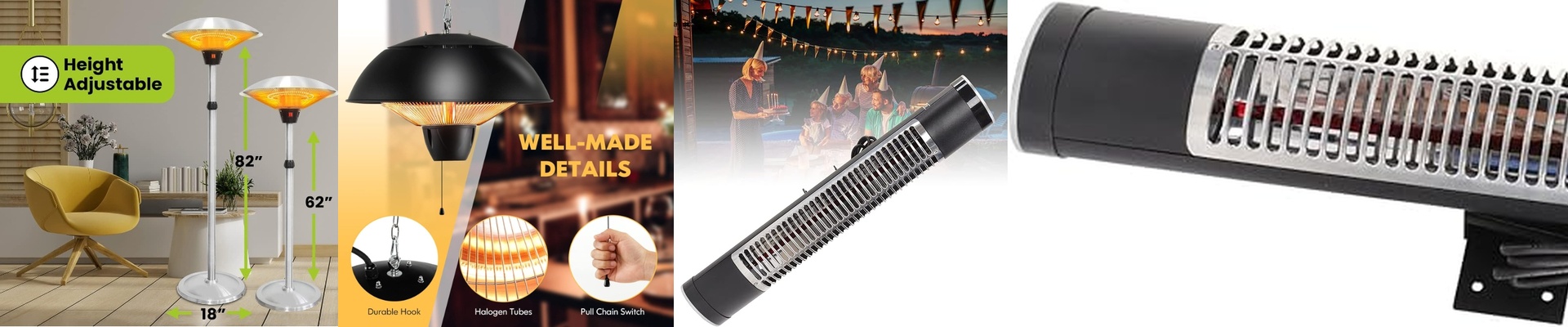
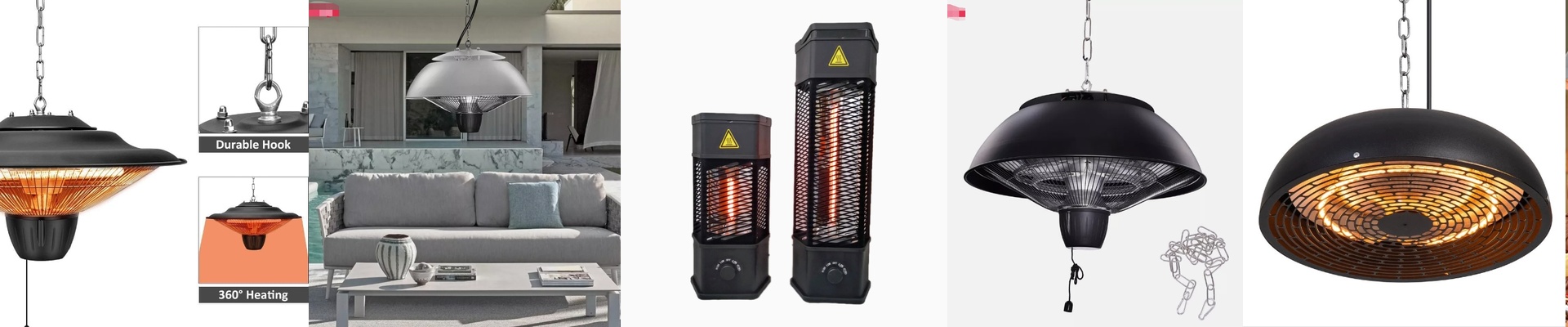
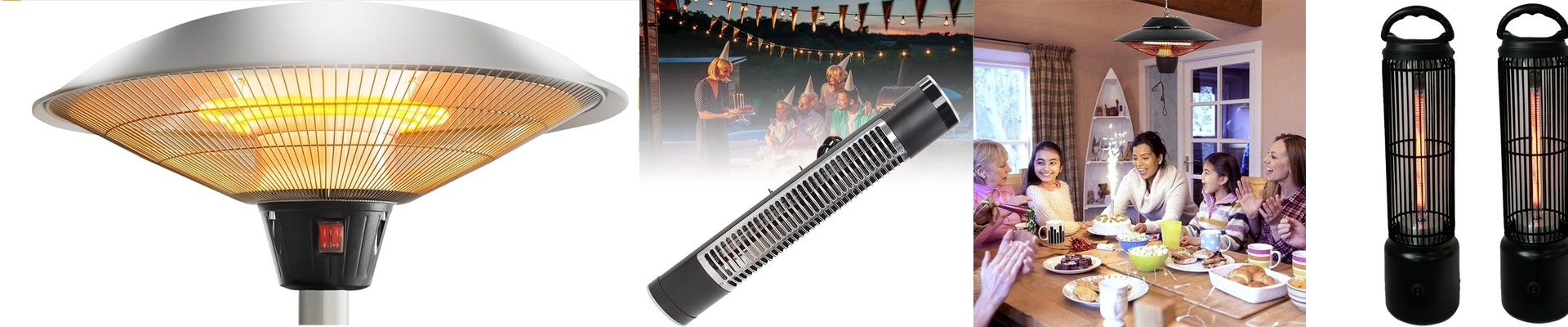
Most people see an infrared lamp in the bathroom and think, “Oh, a fancy heater.” But it’s a lot more than that. We didn’t just build these to keep you warm; we built them to kill the dampness that lets mold move in.
Why your regular heater isn’t cutting it
Here’s the thing about standard heaters: they just warm up the air. The problem is, your tiles and walls stay cold. When that warm, moist air hits a cold wall? Boom. Condensation. Our lamps work differently. Instead of heating the air, they send out radiant energy that sinks right into the wet surfaces of your walls and floors. It basically shakes the water molecules until they evaporate. By warming up those “cold spots” where water likes to hang out, we get rid of the dew point. And since mold needs moisture to eat, no condensation means no mold. Simple as that.
It’s more than just heat
We’ve tuned these lamps to a specific light spectrum. It’s not just about the warmth. Certain wavelengths actually mess with the way bathroom fungi grow. When you combine that rapid drying with this specific kind of energy, it makes it incredibly hard for mold to settle into your grout or silicone seals. You aren’t just filtering the air—you’re literally pushing the moisture out of the walls.
A few things to keep in mind
You can’t just toss these in any ceiling and hope for the best. Placement is everything. If you mount the lamp too high, the energy spreads out too much and you lose that mold-fighting power. But if it’s too low? You might overheat your ceiling materials. Double-check your clearance. Also, if you’re going with the high-wattage tubes, make sure your wiring can handle the load. If the voltage drops, the lamp won’t get hot enough to actually dry the room, and you’re back to square one.