
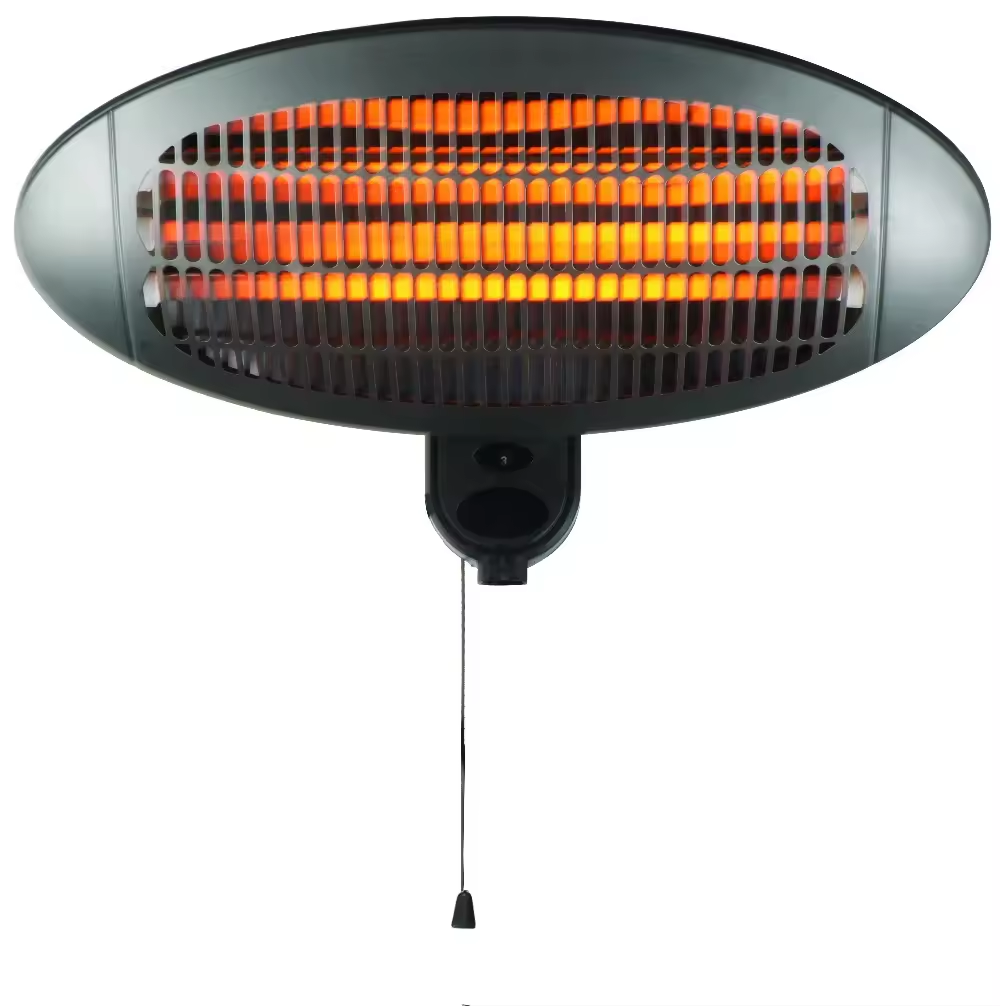
Why Most Bathroom Heaters Die Early (And How We Fixed It)
Let’s be honest: bathrooms are a nightmare for electronics. You’ve got steam everywhere, random splashes from the shower, and a level of humidity that basically invites rust to move in. Most heaters just aren’t built for it. They flicker for a few months, the glass clouds over, and then—pop—they’re dead. We wanted to stop that cycle. The battle against the fog Ever notice how some heaters get that cloudy film on the glass? It looks annoying, but it’s actually a killer. When tiny water droplets hit a scorching hot quartz tube, they create these “cold spots.” That sudden temperature swing causes micro-cracks in the glass. To fix this, we added a special coating to the tubes. It basically tells the water, “You can’t stay here.” Instead of fogging up and scattering the heat, the infrared rays cut straight through the air. You get a steady, warm glow instead of a struggling lamp. Keeping the water out Most heaters don’t fail in the middle of the tube; they fail at the seams. Water sneaks into the connection points, hits the wiring, and trips your breaker. We tackled this with high-temp silicone gaskets and a reinforced housing. It’s all about creating a tight seal so the internal guts stay dry while the outside takes the hit. Now, a quick tip: just make sure you mount the unit properly. The front is built to handle the splashes, but you still want the rear electrical junctions in a dry spot. It just keeps things safer and stops corrosion from creeping in over the years. What this actually means for you Standard heaters usually give up the ghost after two seasons because the seals rot or the glass cracks. By protecting the electronics and treating the quartz, we’ve basically stopped the equipment from taking a beating. The lamp doesn’t have to fight through a layer of grime or moisture to warm you up. It just works. No flickering, no sudden burnout—just a heater that actually lasts.