

Cutting Carbon in the Fab: Why Shortwave IR is a Smarter Way to Heat
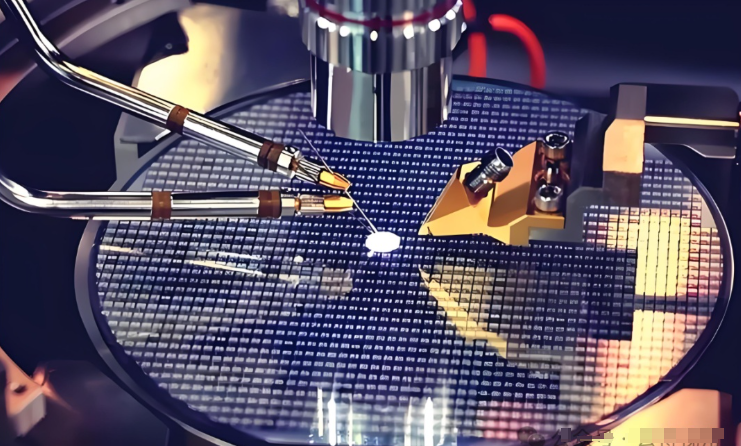
Let’s be honest: trying to hit carbon neutrality in a semiconductor fab is a tough climb. A huge part of the problem is how we handle heat. For a long time, we’ve relied on resistive heating, but it’s clumsy. It wastes a ton of energy just heating up the air around the wafer. That’s why we’ve moved toward shortwave infrared (IR) lamp systems. Instead of warming everything in sight, these lamps point the heat exactly where it needs to go—right onto the wafer surface. It’s a direct hit. You get to your process temperature faster, and you aren’t paying to heat the rest of the room.
The Nitty-Gritty on Power
When we set these systems up, the goal is speed. We want those ramp-up and cool-down cycles to happen in a blink. We use high-wattage quartz lamps because they can pump out massive heat density without turning the entire tool chassis into an oven. You get the heat right where the chemistry is actually happening. Since it’s based on direct radiation, the energy transfer is basically instant. Now, there is a catch. If you crank these lamps to their absolute limit to push through more wafers, things get hot. I mean really hot. That puts a lot of stress on your vacuum seals and cooling manifolds. If you don’t get your cooling water flow dialed in perfectly, you’re looking at a seal failure. It’s a trade-off you have to manage.
Quartz and the Science of “Matching”
We use halogen-filled quartz tubes because they last longer and stay stable. The quartz is great because it lets the shortwave radiation slide right through without soaking it up. But here’s the clever part: depending on what you’re making, we apply specific coatings to the tubes. This tweaks the emission spectrum so it matches the absorption band of your specific semiconductor material. Think of it like tuning a radio. When the wavelength matches, the material absorbs the energy instead of reflecting it. Less reflection means less wasted electricity. And since we use standard connectors, you can just pop these into your existing arrays. No need to rebuild the whole line.
Real-World Impact
Switching to IR just makes sense for the planet—and the budget. You can finally ditch those massive heating jackets that stay scorching hot long after the wafer has left the building. You’re saving kWh on every single wafer that moves through the system. It’s a practical way to hit those “green factory” goals. You get to lower your carbon footprint without slowing down your cycle times or hurting your bottom line. It just works.