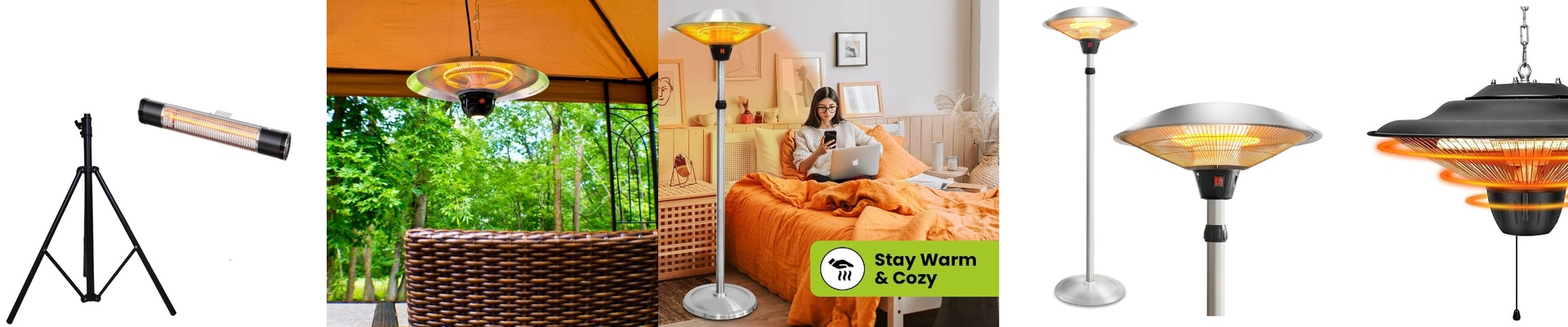
Getting Your Fab Up to Speed with Infrared
If you’re building a “Smart Fab,” you’ve probably realized that old-school convection heating just doesn’t cut it anymore. It’s too slow. When your whole production line is digitized, you can’t afford to wait around for a heater to warm up. That’s where infrared (IR) comes in. We build these systems specifically for lines where every second counts. Because if your thermal response is lagging, your entire cycle rate takes a hit.
Heat That Actually Listens
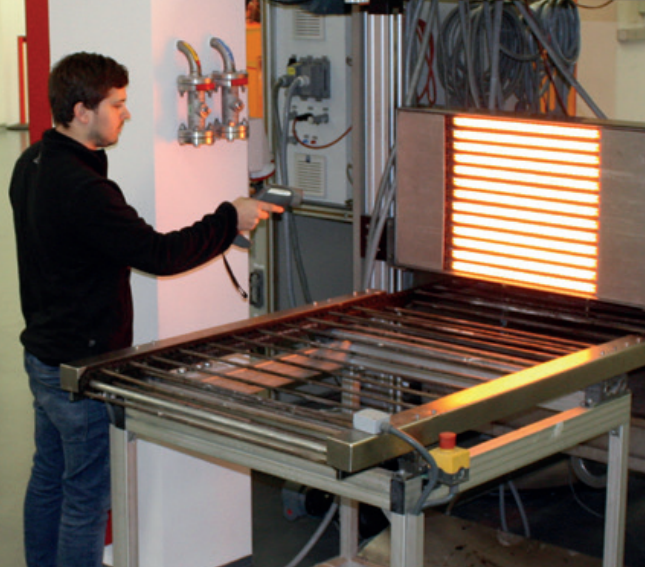
In a data-driven shop, you need your gear to react the moment your PLC sends a command. IR lamps do exactly that. They hit operating temperature in seconds—not minutes. Compare that to oil-based or forced-air heaters, which feel like they take forever to get going. With IR, your software can tweak the heat in real-time based on what the sensors are seeing. To make sure this doesn’t turn into a meltdown, we wrap everything in high-grade stainless steel. It keeps the chassis from warping, even when you’re pushing some serious heat density for those fast ramp-ups.
Keeping the Heat Where It Belongs
Nobody wants their cleanroom HVAC fighting a losing battle. That’s why we focus so much on the housing. We build a precision shell that keeps the heat locked in, which means your AC doesn’t have to work overtime. You get a smaller footprint and a much tighter thermal zone. And because we know how annoying downtime is, we made these “drop-in” ready. We use standard mounting brackets and clear wiring paths. If you need to swap a heating element, you can just do it. No need to tear your entire line apart.
The Catch: Power and Cooling
Here is the honest truth: high-efficiency IR puts out a massive amount of energy in a tiny space. It’s great for speed, but it’s a heavy lift for your electrical system. If you go with a high-wattage array, don’t just plug it into an old wall outlet. Your legacy wiring probably can’t handle the draw, and you’ll end up with voltage drops that mess up your calibration. Plus, keep an eye on your control cabinets. All that power generates its own heat, so you’ll likely need upgraded heat sinks or some active cooling to keep your drives from frying. It’s a small price to pay for the speed, but it’s something you have to plan for.