Getting IR Curing Right for Hydrogen Sensors
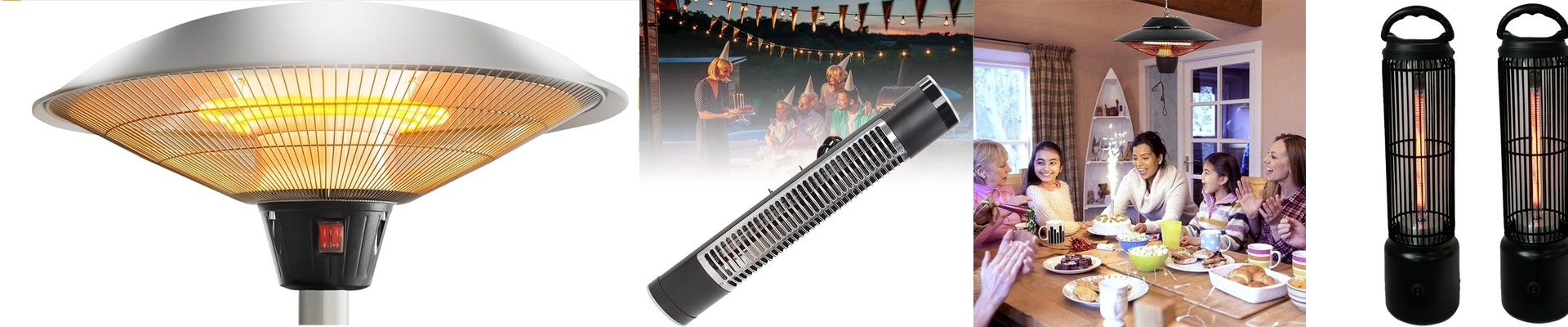
When you’re building hydrogen sensors, the drying and curing stages are where things either click or fall apart. To keep things eco-friendly and lead-free—which is basically the law of the land in semiconductors now—we lean on infrared (IR) curing. Think of it like this: a standard convection oven wastes a ton of time heating up the air around the part. IR is different. It beams energy straight into the substrate. No chemical solvents, no nasty emissions. Just direct heat.
The trick to lead-free curing
Old-school drying relies on “thermal mass,” which is a fancy way of saying it takes forever to warm up and even longer to cool down. It’s sluggish. IR, on the other hand, hits the target instantly. We focus the wavelength on the specific absorption bands of the curing agent. It’s a precision move. By tuning it just right, the lead-free solder or adhesive sets perfectly without cooking the sensitive sensor element. If you overheat that part, you get thermal stress. And once a sensor starts drifting or failing during calibration, you’ve got a real headache on your hands.
Saving power and space
We built these systems to stop wasting electricity. Since you aren’t heating a giant metal box full of air, your power bill drops. Your equipment footprint gets smaller, and your cycle times get way faster. It just feels more efficient.
The trade-offs (because nothing is perfect)
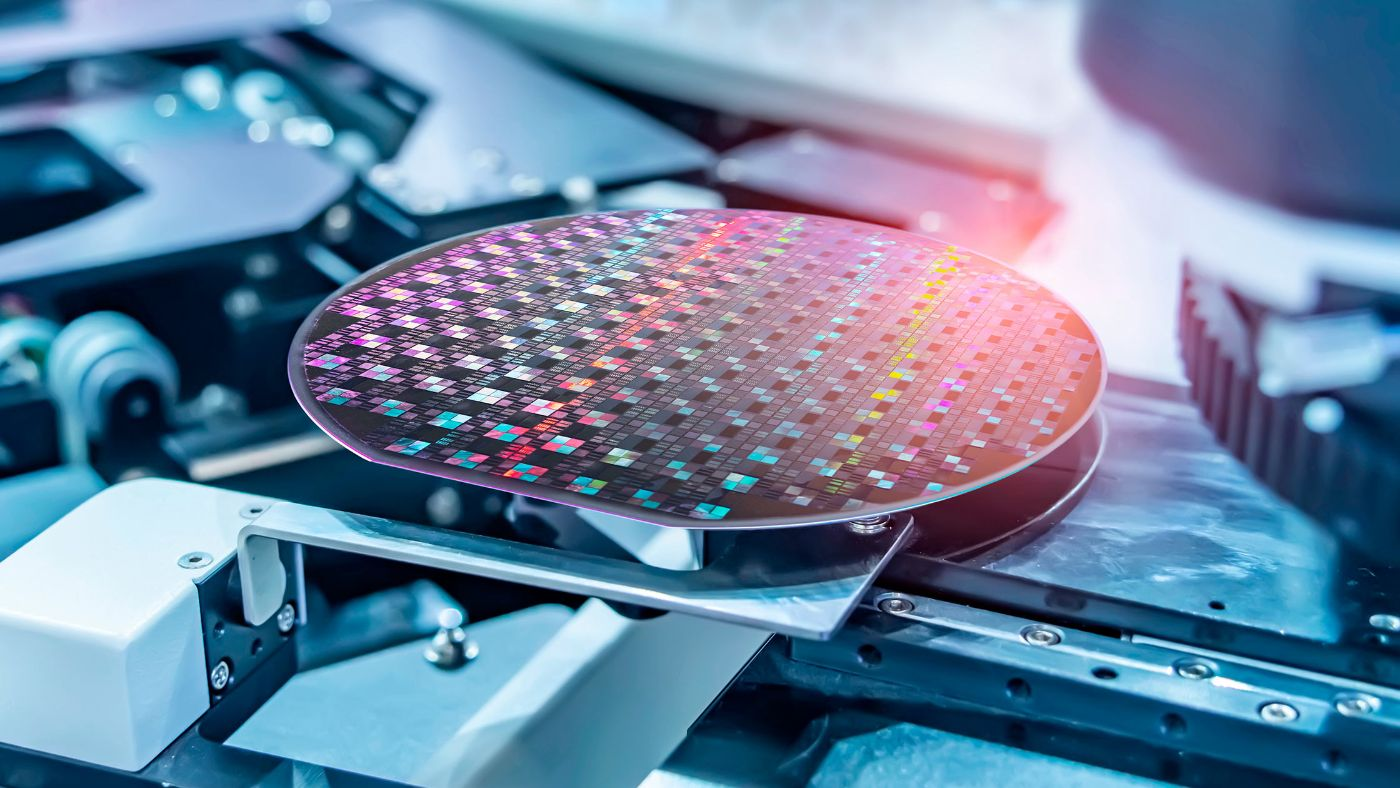
Here’s the catch: high-intensity IR is fast, but it creates a steep thermal gradient. If your part has different thicknesses, you have a problem. The thin bits can burn out while the thick sections are still wet. You can’t just “set it and forget it.” You have to be really picky about lamp spacing and how fast the conveyor moves to avoid those dreaded hot spots. To keep things under control, we suggest using a closed-loop pyrometer. It watches the surface temperature in real-time so you don’t blow your thermal budget on the wafer. And don’t forget the vents—you still need to get those off-gassed volatiles out of the room.