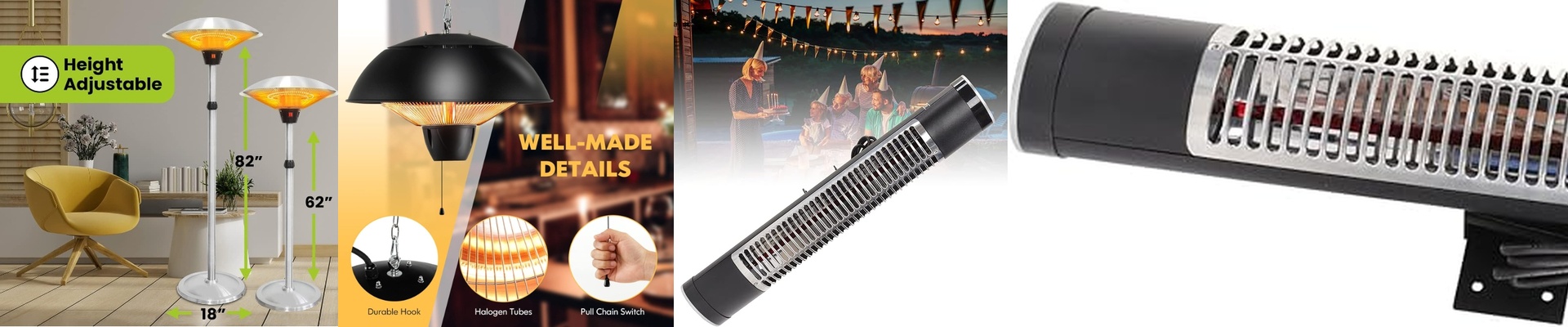
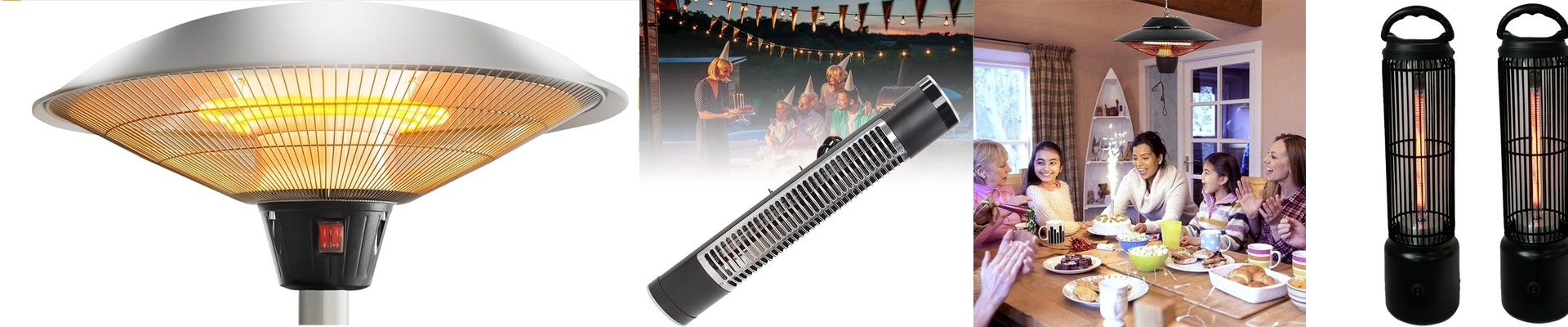
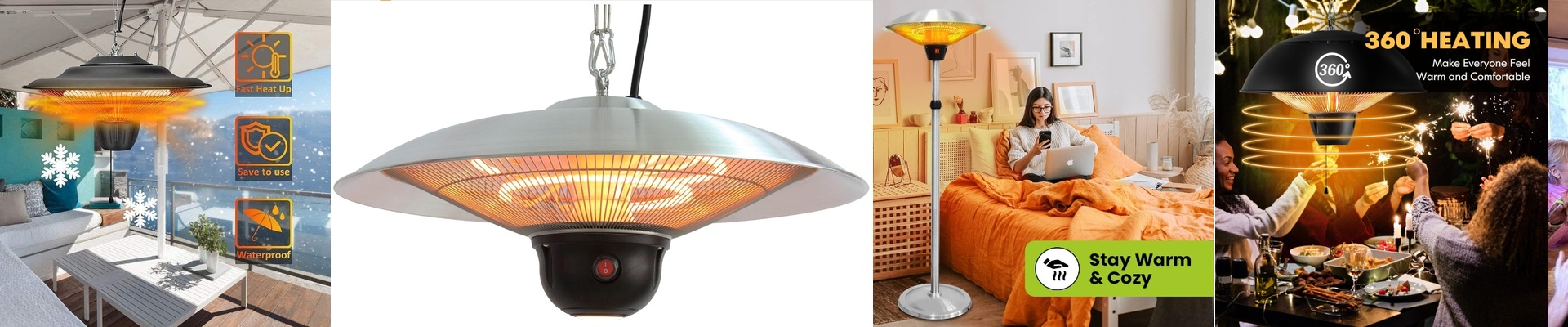
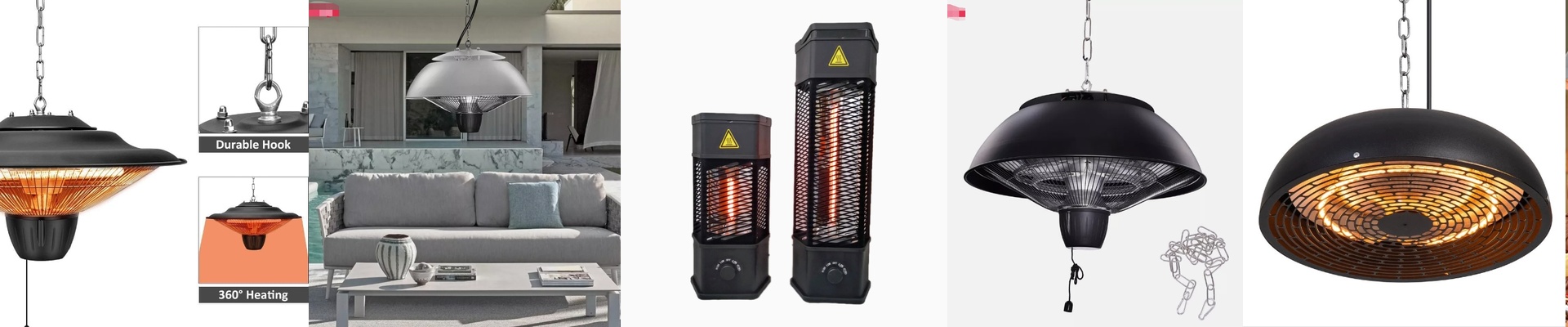
Why you should ditch those old bathroom light heaters for IR
Ever notice how those old-school bathroom heat lamps spend more time lighting up the room than actually keeping you warm? It’s because they’re basically just big lightbulbs. They waste a ton of energy making light you don’t need while you’re shivering in a towel. That’s why everyone is switching to infrared (IR) emitters. Instead of trying to fight the humidity and warm up the air, these things go straight for the target. They heat you and the things around you. The battle against steam Bathrooms are brutal on electronics. Between the shower steam and the splashes, moisture gets everywhere. If you use a cheap heater, that steam sneaks into the housing, eats away at the pins, and—boom—you’ve got a short circuit. That’s where the IP rating comes in. You want something sealed tight with quartz glass. If you cut corners here and pick a unit without a proper waterproof rating, don’t be surprised when it burns out before the first winter is even over. Oxidation is a quiet killer. How it actually feels Here is the thing about standard heaters: they warm the air. But hot air rises. So, while your ceiling is cozy, your feet are still freezing. Infrared is different. It travels in a straight line. The moment it hits your skin or the mirror, it turns into heat. It’s instant. You don’t have to stand there for ten minutes waiting for the room to “warm up.” You just feel it. A quick word of caution Now, there is a catch. These IR tubes get hot. Like, really hot. If you mount them too close to a plastic fixture or a cheap mirror frame, you might actually warp the material. You’ve got to be smart about the spacing. A little bit of planning on the distance between the heater and the wall saves you from a melted bathroom. Getting it installed The best part? You don’t need to tear your walls apart to upgrade. Most modern IR units are designed to just slide right into the spot where your old light fixture lived. We use standard connectors, so the wiring is pretty straightforward. As long as your circuit can handle the wattage, you can get a much warmer bathroom without the headache of a full electrical renovation.