Why Your Bathroom Heater Actually Needs to be Waterproof
We’ve all been there. You step out of a hot shower into a freezing bathroom, and that old-school heat lamp is doing… well, nothing. Those basic bulbs or cheap ceramic heaters just can’t keep up. They struggle with the steam, and the heat feels patchy at best. That’s why we’re moving toward high-standard waterproof infrared heaters. It just makes more sense.
Stop heating the air, heat yourself
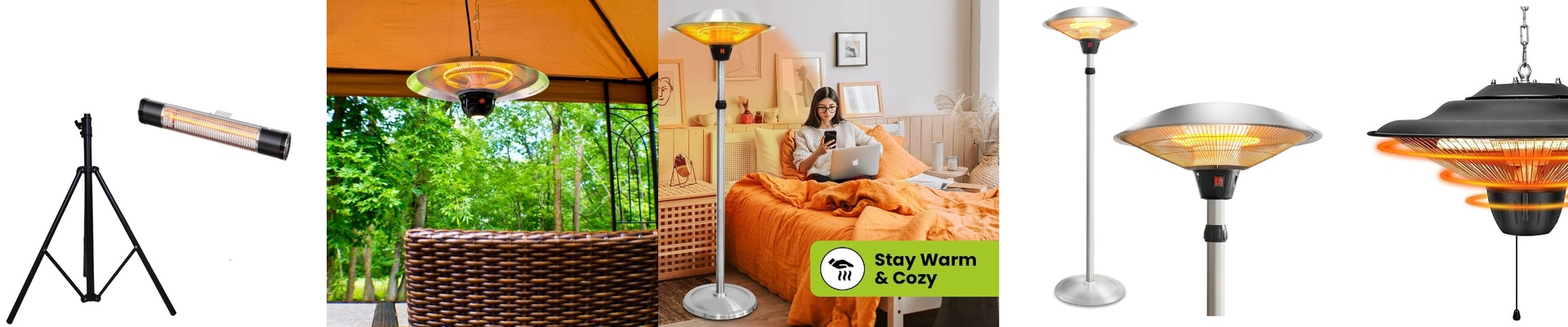
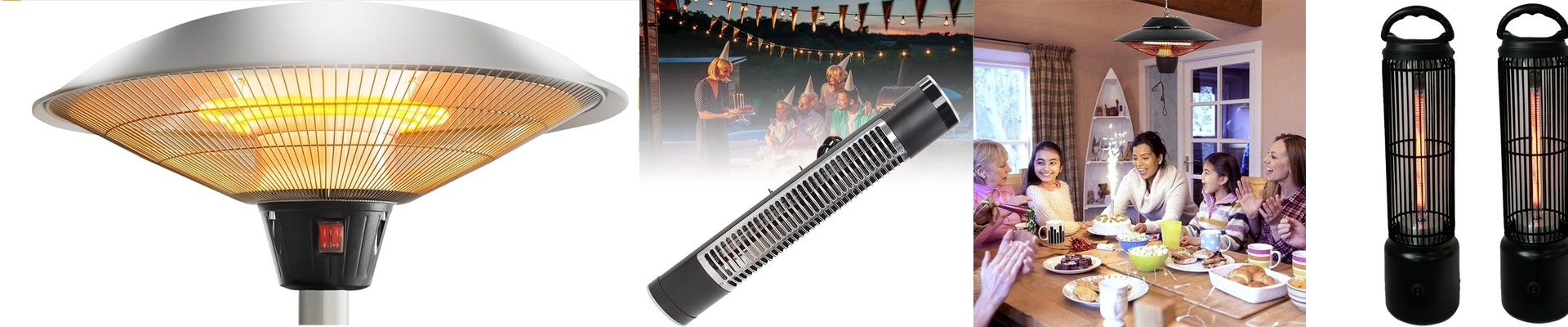
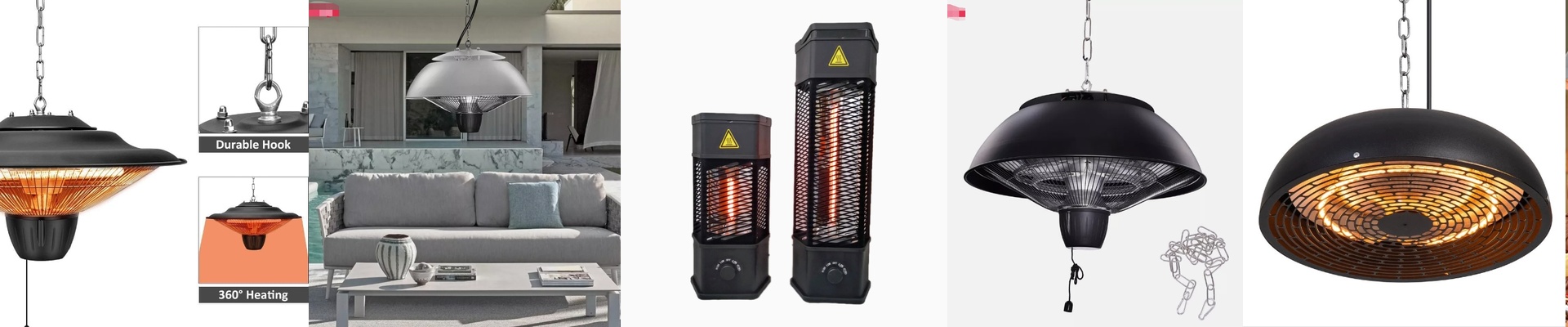
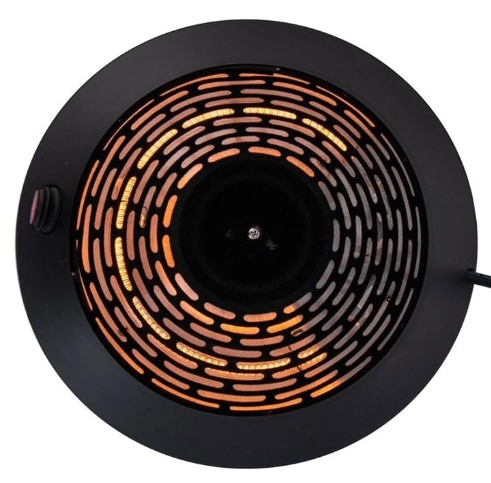
Here’s the thing about standard heaters: they try to warm up the air. But in a bathroom, that moist air just swirls around and escapes through the vent or under the door. It’s a waste of electricity. Infrared is different. It sends out waves that warm your skin and the floor directly. You feel it the second you step in. No waiting around. We build these to push that warmth straight down, so you stay cozy without running the meter wild.
The battle against steam
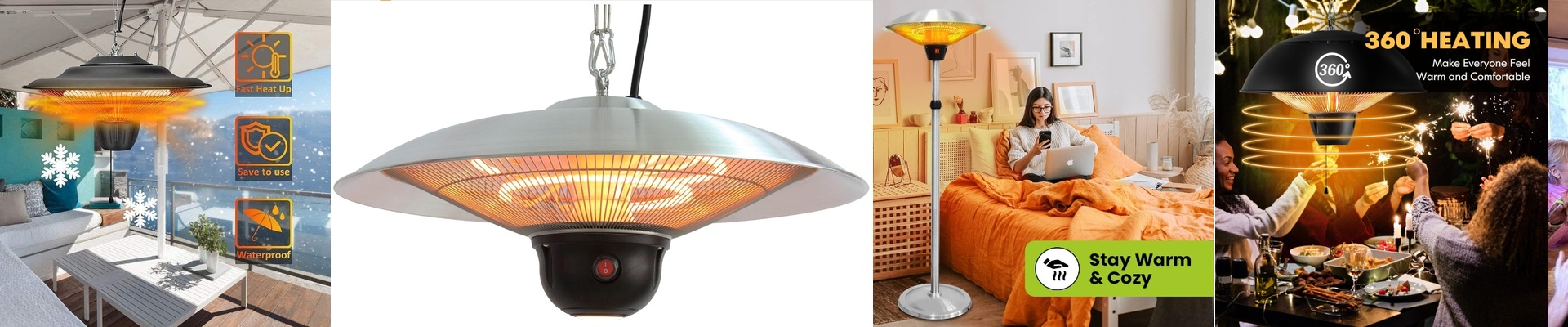
Water vapor is a nightmare for electronics. If you’ve ever had a cheap heater burn out or flicker, it’s probably because moisture leaked into the housing and fried the filaments. Not great. We use IP-rated waterproofing to stop that from happening. Think of it as a tight seal—special gaskets and housings that keep the steam and splashes away from the guts of the machine. If the waterproofing is an afterthought, you’re just inviting a short circuit or a trip to the hardware store for a replacement.
Getting the install right
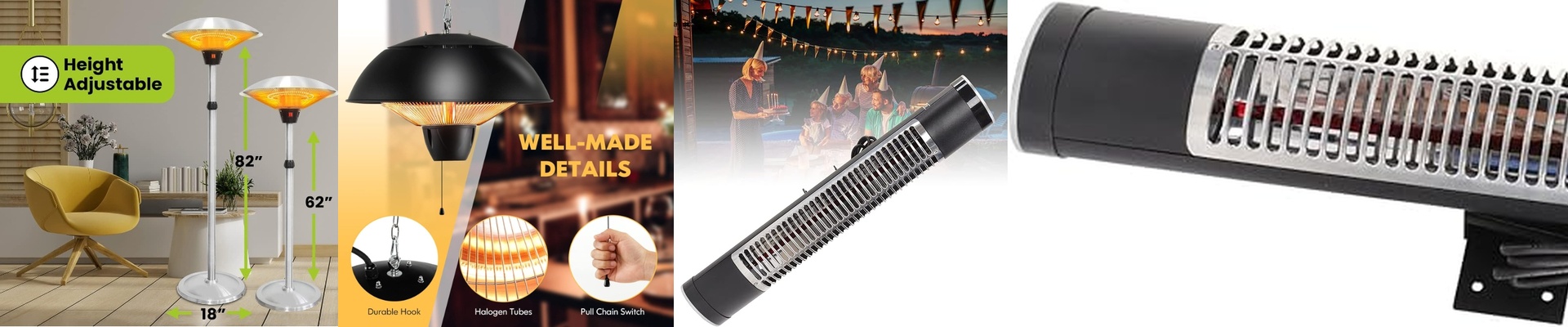
Most of the time, these go in the ceiling to get the widest spread of heat. But you have to be smart about the height. If it’s too high, the warmth loses its punch. Too low? You’re basically standing under a heat gun. It’s all about finding that sweet spot. One last tip: keep an eye on your wiring. These systems pack a punch because they deliver concentrated heat. Just make sure your home’s wiring can handle the wattage so you aren’t tripping breakers right in the middle of a winter morning.