
Why Your Bathroom Heater Is Actually a Dehumidifier
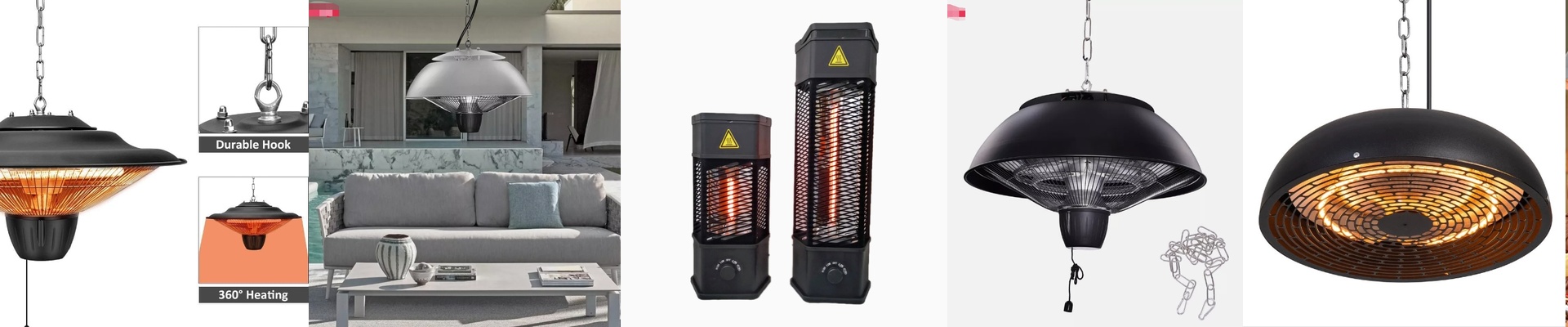
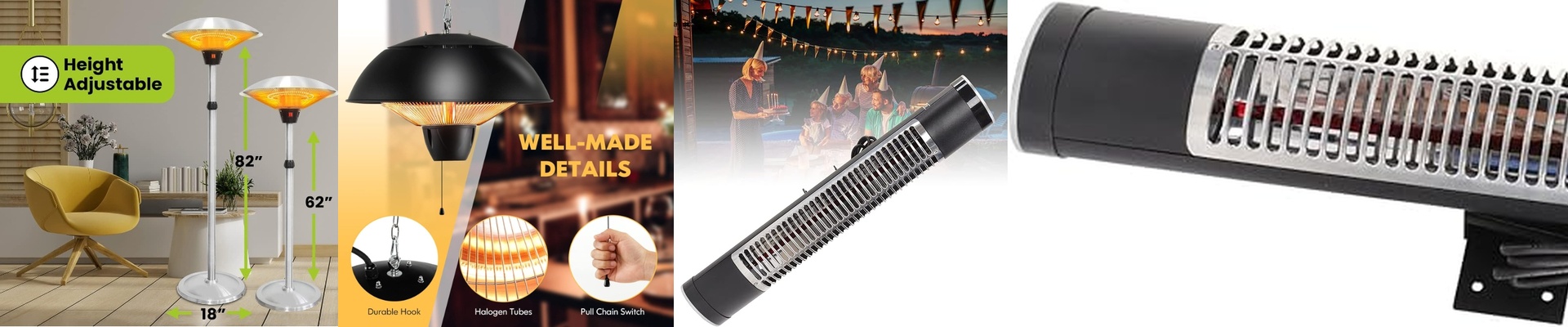
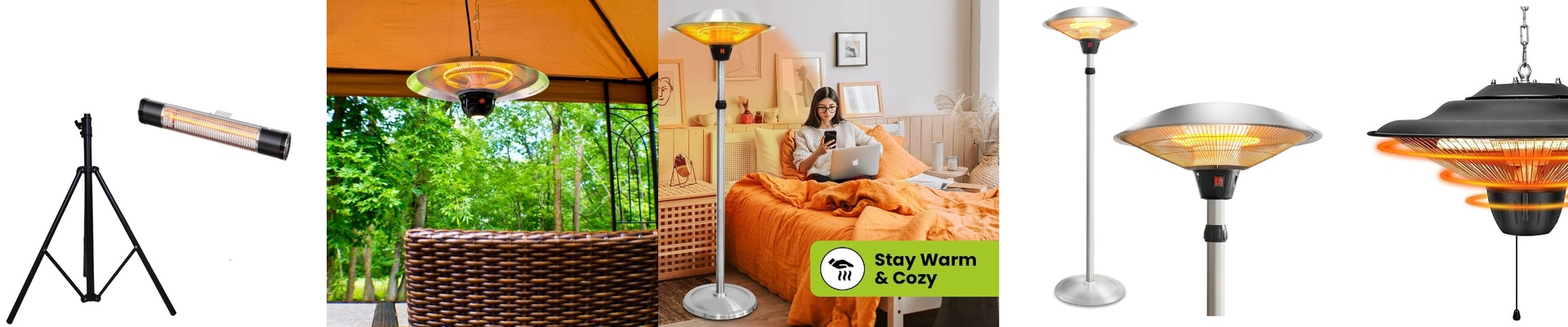
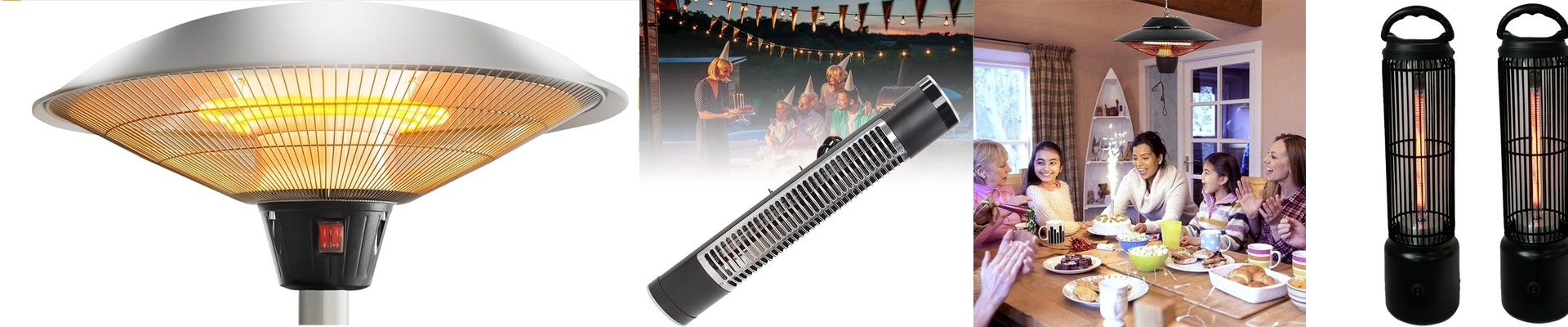
Most people think a bathroom heater is just there to stop you from shivering when you step out of the shower. But if you look at it from an engineering perspective, it’s doing something much cooler. We use infrared (IR) lamps not just for the warmth, but to actually handle the moisture in the room. Here’s the thing: standard heaters just warm up the air. That often backfires because the air gets warm, but the walls stay cold, and that’s exactly how you get condensation. Infrared is different. It doesn’t bother with the air first. Instead, it targets the surfaces—your tile grout, your paint, the walls. It basically shakes the water molecules on those surfaces until they evaporate. By keeping the walls warm, we stop water from pooling in the first place. And since water is what mold loves most, you’ve basically just cut off the mold’s food supply. Getting the power right We use quartz envelopes for these lamps because steam is brutal on electronics. Quartz doesn’t corrode, so it lasts. But you have to be careful with the wattage. It’s a balancing act. If you put a massive, high-power lamp in a tiny bathroom stall, you’re going to bake yourself. But if you go too low? The walls stay damp, and you’re right back to scrubbing mold off the ceiling. The catch Infrared is fast. Really fast. But there’s a trade-off: it only works in a straight line. If you’ve got a heavy shower curtain or a big vanity blocking the lamp, those hidden spots stay cold and wet. You can’t just slap one lamp in the middle of the room and call it a day. You have to be strategic about where they go so the heat actually hits the corners where moisture likes to hide. When you get the placement right, the heater starts doing the heavy lifting for your ventilation fan. It’s a much easier way to keep the room dry.